
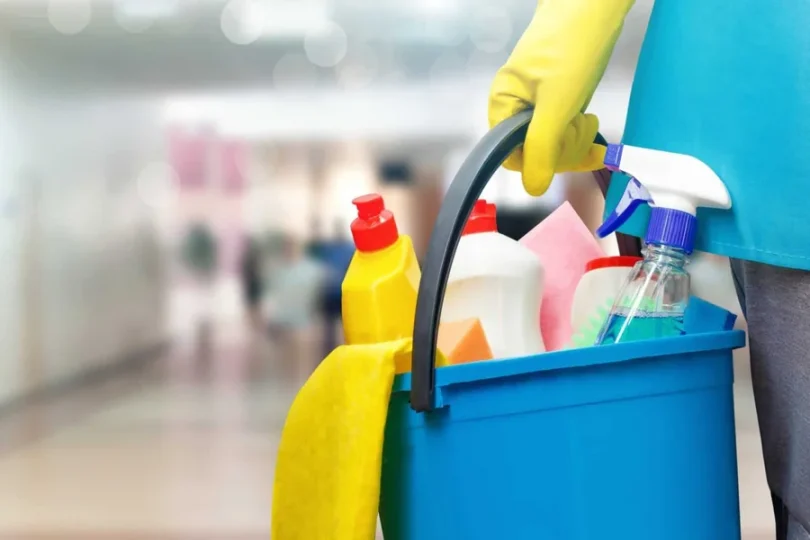

Most clients judge cleaning by what they can see right away, like shiny floors, empty trash, and a fresh smell in the hallway. Those visible wins matter, but they are only part of what determines whether a janitorial program stays consistent week after week. The standards that prevent complaints often sit behind the scenes, in how supplies are managed, how tools are separated, and how quality is verified when no one is watching. Many organizations never ask about these details until a virus spreads, an audit happens, or a recurring odor problem appears. Knowing the overlooked standards helps clients write clearer expectations, reduce health risks, and avoid paying for work that looks good but misses the areas that matter most.
Behind-the-scenes standards that matter
High-touch prioritization and cross-contamination control
A common gap in client requests is the lack of high-touch surface targeting. Door handles, push plates, light switches, elevator buttons, faucet handles, and breakroom appliance pulls can spread germs faster than floors ever will. A strong standard defines which high-touch points are addressed daily, which are addressed multiple times during business hours, and which require disinfecting rather than simple wiping. Another overlooked piece is cross-contamination control, meaning that the same cloth or mop head should not move from restrooms to offices or from break rooms to conference tables. Color-coding systems, separate buckets, and clear cart setups reduce the risk of transferring microbes from one area to another. Good crews also follow disinfectant dwell-time guidance, ensuring surfaces remain wet long enough to work rather than being wiped dry immediately. When clients only ask for general cleaning, these steps can be skipped or rushed, even though they drive real outcomes like fewer sick days and fewer complaints about restroom odors. A practical standard also includes glove changes and hand hygiene rules, because tools alone cannot prevent contamination if the workflow is inconsistent.
Restroom benchmarks beyond visible shine.
Restrooms can look clean yet still fail to meet meaningful standards. Clients often request restocking and a quick wipe-down, but rarely ask how odor sources are handled, how splash zones are disinfected, or how floor edges are treated where grime accumulates. Strong restroom standards address the toilet base, partition edges, door locks, and the area behind fixtures where dust and moisture settle. They also include drain and overflow inspections, because slow drains and mineral buildup can cause odors that persist even after surface cleaning. Another seldom-discussed benchmark is the cleaning sequence: start with the cleanest surfaces and end with the dirtiest, with tool changes in between. In healthcare-adjacent spaces, the bar is even higher, and a Medical Office Cleaning Company in Boise, ID, may be asked about disinfectant selection, contact time, and how exam room turnover differs from general office cleaning. Clients also rarely ask how mop water is managed, yet dirty water can spread residue and leave floors sticky, which then attracts more dirt. Clear standards define when water is changed, how microfiber is laundered, and how restroom touchpoints are verified after completion.
Air quality details clients overlook
Many mysterious cleaning issues are actually air quality issues. Dust that returns quickly, odors that linger, and allergy complaints can be tied to how vents, returns, and high ledges are handled. Clients often assume HVAC takes care of air, but cleaning standards still matter because dust on vents and return grilles can recirculate particles and reduce perceived cleanliness. A thorough program defines periodic tasks like vacuuming return covers, wiping supply vents, and dusting ceiling corners, light fixtures, and door tops. Another overlooked standard is vacuum filtration. A vacuum without proper filtration can release fine dust back into the air, making a space feel dusty even after cleaning. Entryway maintenance also affects indoor air. If mats are too small, not vacuumed, or not rotated, outdoor grit is tracked inside and ground into the flooring, which increases dust and shortens the life of the floor finish. To make smarter decisions about maintenance tools and routines, it also helps to consult real user experiences—such as checking reviews for bobsweep maxim — to understand how effectively modern cleaning solutions handle air quality and surface care in everyday conditions.
Next Standards to Request
Clients rarely ask about the standards that drive consistent results, yet those standards often determine whether a facility feels truly maintained. High-touch targeting, cross-contamination controls, and restroom workflow rules protect health in ways that a single shining example cannot measure. Air quality tasks like vent cleaning, filtration, and entryway mat routines influence dust and odors more than many people realize. Quality checks, documentation, and disciplined supply systems prevent performance from drifting over time. When requesting janitorial services, ask how these standards are defined, verified, and adjusted for your facility’s traffic patterns. Clear expectations turn cleaning from a cosmetic task into a dependable routine that supports comfort, safety, and fewer surprises.