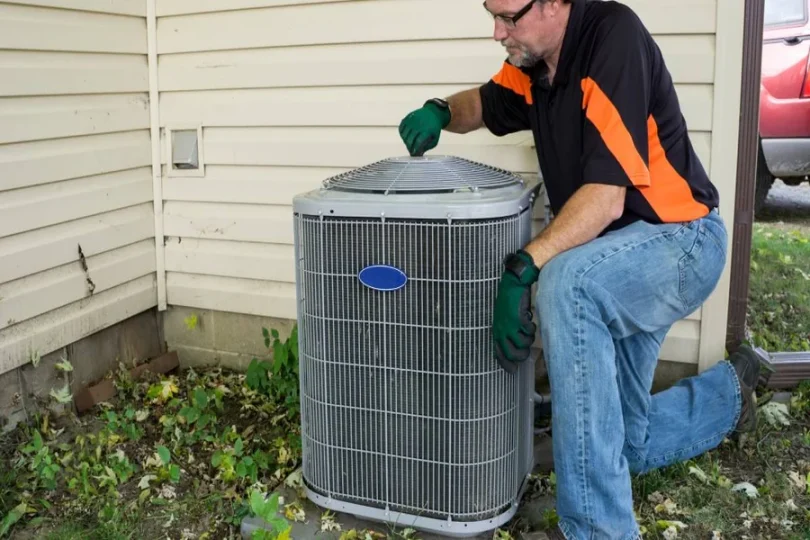

Heating and cooling systems are built to provide consistent comfort, but they do not last forever. Over time, even well-maintained systems begin to show signs of wear that affect performance, efficiency, and reliability. Many homeowners continue to repair aging units without realizing that replacement may be a more practical long-term solution. Recognizing the early indicators of a failing HVAC system can help prevent unexpected breakdowns and rising costs. Understanding these warning signs enables better planning and helps maintain indoor comfort without ongoing disruptions or excessive expenses.
Key Indicators of System Replacement
-
Rising Energy Bills Without a Clear Explanation
One of the earliest signs that an HVAC system may need replacement is a steady increase in energy bills without a noticeable change in usage. As systems age, their efficiency declines, requiring more energy to achieve the same level of heating or cooling. This increased demand often goes unnoticed until utility costs begin to climb significantly. Older systems may struggle to maintain consistent temperatures, leading to longer run times and greater energy consumption. While routine maintenance can address minor inefficiencies, it cannot fully restore the performance of an aging unit. If energy costs continue to rise despite regular servicing, it may indicate that the system is no longer operating efficiently and could benefit from replacement.
-
Frequent Repairs and Ongoing Maintenance Costs
Another clear indicator that replacement may be necessary is the frequency of repairs. When an HVAC system requires constant attention, the cumulative cost of repairs can quickly exceed the value of keeping the system running. Components such as compressors, motors, and fans may fail more often as the system ages, leading to repeated service calls. In some cases, homeowners relying on services like Salt Lake City HVAC Repair notice that issues become more frequent and more expensive over time. This pattern suggests that the system is reaching the end of its functional lifespan. Instead of continuing to invest in repairs, replacing the unit can provide a more reliable and cost-effective solution.
-
Inconsistent Temperatures and Reduced Comfort
A well-functioning HVAC system should maintain consistent temperatures throughout the space. When certain rooms feel significantly warmer or cooler than others, it may indicate that the system is struggling to distribute air evenly. This inconsistency can result from aging components, reduced airflow, or declining system capacity. Over time, these issues can make it difficult to achieve a comfortable indoor environment. Adjusting the thermostat may provide temporary relief, but it does not address the underlying problem. When comfort levels become difficult to maintain, it may be a sign that the system is no longer capable of meeting the space’s demands and should be replaced.
Homeowners often try to prolong the life of an aging unit through minor, recurring fixes, but there comes a specific point where those cumulative costs outweigh the benefits of keeping an older system. Relying on outdated technology frequently leads to inconsistent indoor comfort and excessive energy consumption during peak seasons. If you find yourself constantly adjusting the thermostat or worrying about a sudden mid-season breakdown, you can Click here to evaluate modern efficiency standards and see if a transition makes sense for your household. Contemporary units offer significantly quieter operation and improved humidity control, making the upgrade a valuable investment for long-term reliability and reduced utility expenses.
-
Unusual Noises and Operational Changes
Changes in how an HVAC system sounds or operates can also signal the need for replacement. Unusual noises such as grinding, rattling, or banging may indicate internal wear or failing components. These sounds often become more noticeable as the system ages and parts begin to deteriorate. In addition to noise, changes in operation, such as longer cycles or frequent on-and-off behavior, can point to underlying issues. While some of these problems can be repaired, they may continue to recur if the system is nearing the end of its lifespan. Paying attention to these changes can help identify when replacement is a more practical option than continued repairs.
When these mechanical symptoms begin to surface, it is crucial to determine if the cost of ongoing maintenance is still a sound investment. Often, older units reach a point where recurring repairs become financially impractical compared to the long-term benefits of a modern, high-efficiency replacement. Professional teams like Woodruff and Smith Heating and Cooling, Inc. frequently help homeowners assess these situations by checking for internal wear that may not be visible to the untrained eye. Beyond just restoring function, an upgrade often provides a significant boost in air filtration and humidity control. Making this transition before a total system failure occurs ensures your household stays comfortable throughout the peak of the seasons.
-
System Age and Outdated Technology
The age of an HVAC system is one of the most important factors in determining whether it should be replaced. Most systems are designed to operate efficiently for a limited number of years, after which performance begins to decline. Older units may also lack modern features that improve efficiency and control, such as advanced thermostats and energy-saving components. As technology evolves, newer systems offer improved performance and reduced energy consumption. Continuing to operate an outdated system can result in higher costs and reduced comfort. Evaluating the system’s age alongside its performance can help determine whether replacement is the right decision. While age is a significant factor, the local environment also plays a role in how quickly a system deteriorates. In humid climates, internal components may face additional stress from moisture and salt air, potentially shortening the expected lifespan of your equipment. For residents dealing with these conditions, looking into ac replacement in Gainesville can ensure your home stays properly dehumidified and cooled during the most intense months. A modern system can help maintain a healthier indoor environment by offering better filtration and more precise humidity management than older, struggling units. When reviewing the history of your home’s mechanical systems, understanding the background of the professionals who originally designed or installed them can offer valuable context. Many property owners find that looking into the mission and experience of their local service providers helps in selecting the right team for a complex upgrade. You can learn this here now to better understand how a commitment to quality and customer care influences the longevity of your heating and cooling equipment. Taking the time to research these details ensures that your next major home investment is supported by a foundation of expertise and long-term reliability.span>
-
A Quick Look at Replacement Signals
Recognizing the signs of an aging HVAC system, such as rising energy costs, frequent repairs, and inconsistent performance, helps homeowners make informed decisions about replacement. Addressing these issues early can prevent unexpected breakdowns and support a more reliable and efficient indoor environment.
Replacing an HVAC system is a significant decision, but it is often necessary when performance declines and costs increase. By understanding the signs that indicate the need for replacement, homeowners can avoid ongoing repairs and maintain consistent comfort. From rising energy bills to frequent breakdowns, each factor offers insight into the system’s condition. Taking a proactive approach ensures that indoor environments remain stable and efficient. Investing in a new system can provide improved performance, reduced costs, and greater reliability over time, making it a practical solution for long-term comfort and efficiency.