
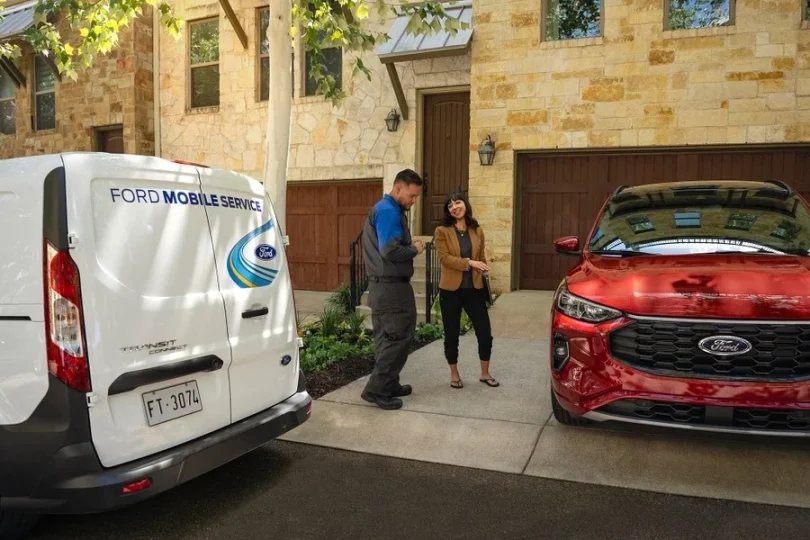

Pickup and delivery services have reshaped how customers interact with automotive retailers, especially as consumer expectations shift toward convenience and flexibility. Within the automotive landscape, Ford dealer networks play a pivotal role in broadening access to pickup and delivery options that align with modern lifestyles. These networks serve as crucial intermediaries between the manufacturer’s vision and the localized needs of communities. We will explore how Ford dealers influence the availability, quality, and reach of pickup and delivery services, enabling customers to engage with vehicle services without the constraints of traditional in‑person visits. The interconnected dealer network across regions not only supports logistical efficiency but also solidifies Ford’s presence, where convenience is increasingly essential.
How Ford Dealer Networks Drive Pickup and Delivery Accessibility
-
Localized Connectivity and Customer Reach
Each Ford dealer serves as more than a point of sale; it is a hub that connects the manufacturer’s offerings with the specific transportation needs of its regional customer base. Pickup and delivery programs thrive on localized connectivity because proximity to customers dictates how fast and efficiently services can be provided. Ford dealer networks encompass urban, suburban, and rural locations, ensuring that customers across diverse geographies can access pickup and delivery options. In densely populated areas, dealers can organize frequent delivery runs to cover short distances efficiently.
In less populated regions, dealers coordinate with neighboring locations to establish shared strategies that maintain service reliability despite lower population density. By understanding travel patterns, community infrastructure, and local preferences, each dealer can tailor service logistics to maximize accessibility. This kind of regional insight allows the Ford service pickup and delivery program to feel personal rather than generic, influencing overall customer satisfaction and reinforcing Ford’s commitment to responsive service.
-
Streamlining Operational Efficiency in Service Logistics
Ford dealer networks contribute to the operational backbone of pickup and delivery systems by organizing internal processes that ensure seamless coordination. These operations hinge on synchronized scheduling, vehicle tracking, technician availability, and communication channels between service teams and customers. Dealers implement centralized management systems that consolidate multiple service requests into optimized routes, reducing downtime and costs. When a customer requests a vehicle pickup for maintenance or repair, the dealer’s operations team analyzes availability, technician workload, and geographic factors to select the most efficient approach.
These strategic decisions minimize waiting periods and fuel consumption while ensuring that each service appointment is well supported. Importantly, the structured approach to logistics enables dealers to scale pickup and delivery volumes without compromising service quality. As demand grows, dealers can refine processes, integrate new software tools, and train staff in logistics coordination, thereby expanding access without logistical bottlenecks.
-
Enhancing Customer Communication and Transparency
The presence of a Ford dealer network enhances the channels through which customers receive information about pickup and delivery services. Clear communication is essential when customers choose to have their vehicles collected, serviced, and returned without visiting a physical location. Dealers establish communication protocols that include appointment reminders, real‑time updates on pickup and return windows, and direct contact with service advisors who can clarify expectations.
These communication practices reduce uncertainty and reassure customers that their vehicles are being handled professionally. Beyond notification systems, dealers ensure customers understand pricing, estimated timelines, and any preparatory steps they must take before pickup. This level of transparency builds confidence in the pickup and delivery service because customers feel informed and in control of the process. Furthermore, dealers can adjust messaging based on customer feedback, making the communication experience more personalized and responsive over time.
-
Training and Empowering Service Personnel for Delivery Readiness
Pickup and delivery services demand personnel who are prepared to handle tasks outside the traditional service bay environment. Ford dealer networks support training initiatives that equip staff with the skills needed for customer interactions at off‑site locations. Technicians and drivers receive guidance on managing vehicle handovers, inspecting vehicles before transit, and communicating conditions or concerns to customers. This training ensures that pickup and delivery operations maintain the same professional standards as in‑dealer transactions. Moreover, dealers encourage internal knowledge sharing so that staff members learn from each other’s field experiences.
When employees feel confident in their roles, they represent the Ford brand positively and uphold the integrity of pickup and delivery commitments. As these competencies grow within dealer teams, customers perceive the delivery process as reliable and consistent, further encouraging adoption of these services. Ultimately, staff readiness becomes an operational advantage that reinforces the overall service offering.
Pickup and delivery services have become vital components of modern automotive retail, and Ford dealer networks play a central role in expanding access to these offerings. Dealers use localized knowledge, logistical planning, communication protocols, staff readiness, technology integration, and responsiveness to customer feedback to enhance service accessibility. The cumulative effect of these efforts creates a service ecosystem that supports convenience without sacrificing quality or transparency. As consumer preferences continue to evolve, dealer networks are positioned to adapt and extend pickup and delivery reach, strengthening the connection between Ford and the communities it serves. Their role is not only functional but also strategic in shaping how customers interact with automotive services.
The Ford dealer network’s contribution to expanding pickup and delivery access is multifaceted and operationally significant. Through regional presence, coordinated logistics, clear communication systems, trained personnel, integrated scheduling technologies, and adaptive service models, dealers enhance the customer experience and make convenient service options widely available. Pickup and delivery services have become more than a convenience—they represent a shift in expectations that dealers are well-equipped to meet. As the automotive industry continues to prioritize customer‑centric solutions, dealer networks will remain essential for delivering accessible, efficient, and reliable service offerings that sustain customer satisfaction and loyalty.