
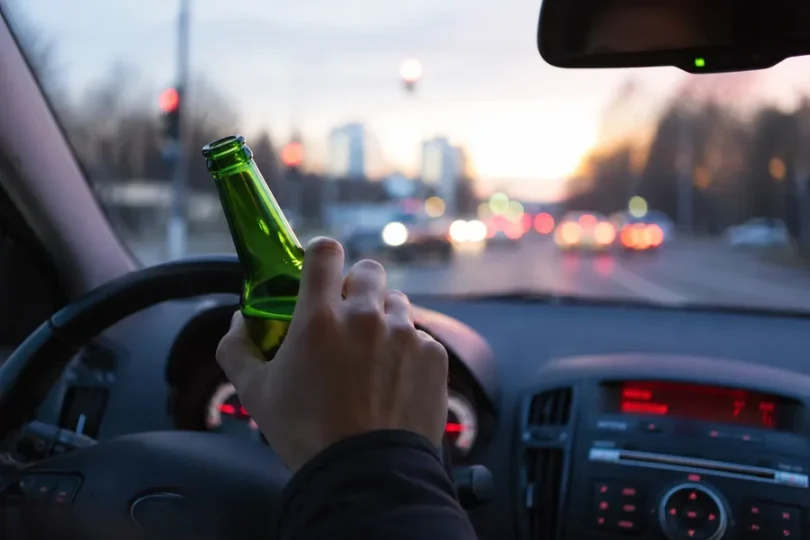

A new national analysis from Simmrin Law Group reveals a troubling portrait of drunk driving in the United States. Despite decades of public awareness campaigns, stricter laws, and improved vehicle safety technology, alcohol‑impaired driving continues to kill thousands of people every year. The study shows that drunk driving is not confined to any one demographic, region, or socioeconomic group. Instead, it remains a widespread behavioral problem that affects celebrities, teenagers, older adults, motorcyclists, pedestrians, and everyday drivers alike.
The findings highlight how cultural attitudes toward alcohol, state‑level legal differences, and shifting demographic patterns all contribute to a problem that remains stubbornly persistent. With more than 12,400 deaths attributed to drunk driving in 2023 alone, the data underscores the need for stronger prevention strategies and more consistent enforcement across the country.
A National Crisis That Reaches Every Demographic
According to the study, drunk driving caused 12,429 deaths in 2023, accounting for 30 percent of all traffic‑related fatalities. That equates to one death every 42 minutes. The numbers show that alcohol impairment remains one of the most dangerous and preventable causes of roadway deaths.
The study also highlights a cultural reality: drunk driving affects people from all walks of life. High‑profile arrests involving celebrities such as Tiger Woods, Britney Spears, Justin Timberlake, Tiffany Haddish, Khloé Kardashian, Mel Gibson, and others illustrate that fame and wealth do not insulate individuals from impaired decision‑making. These cases serve as reminders that drunk driving is not a problem limited to any one group. It is a national behavioral issue.
Underage Drinking: A Foundation of Risk
One of the most striking findings in the study is the normalization of underage drinking in the United States. More than 11 percent of all alcohol consumed nationwide is consumed by people aged 12 to 20. Sixty percent of young people report having at least one drink by age 18, and one in ten high school students admits to driving after drinking.
Young drivers are already at higher risk of fatal crashes due to inexperience. When alcohol is added, the danger increases dramatically. The study shows that state‑level laws vary widely, with many states allowing minors to possess or consume alcohol under certain conditions, such as family exceptions or location‑based allowances. These inconsistencies create an uneven national landscape that influences youth behavior and risk.
The Deadly Math of Alcohol Impairment
The study emphasizes that the dangers of drunk driving escalate sharply as blood alcohol concentration (BAC) increases. At twice the legal limit, drivers are 50 times more likely to be killed in a crash than sober drivers. During the pandemic years of 2020–2021, drunk driving fatalities surged to 32 percent of all traffic deaths and have remained elevated since.
The consequences extend beyond safety. A drunk driving conviction typically results in a 30 percent or higher increase in insurance premiums, along with required filings such as SR‑22 or FR‑44 forms. These financial penalties can follow drivers for years, with some states keeping DUI convictions on record for a decade or more.
Who Is Most at Risk? Age Groups and Driver Types
The study identifies several groups that face disproportionately high risks from alcohol‑impaired driving.
Age groups
- Drivers aged 21–24 accounted for 28 percent of drunk drivers in fatal crashes in 2023.
- Drivers aged 25–34 have seen a 10 percent decrease in their share of fatal drunk driving crashes since 2014.
- Drivers over 65 experienced a 33 percent increase, the largest rise of any age group.
Driver types
- Passenger vehicle drivers account for the highest number of alcohol‑related deaths.
- Motorcyclists were involved in 26 percent of alcohol‑related fatalities in 2023, a rate that has remained consistently high.
- Pedestrians are also heavily affected: more than 2,100 pedestrians killed in crashes had a BAC of 0.08 percent or higher.
- Large truck drivers have the lowest percentage of alcohol‑related fatalities due to strict regulations and safety protocols.
Open Container Laws: A Patchwork of Rules
The study highlights the lack of a federal open container law, leaving states and cities to create their own rules. This results in significant variation:
- In New York City, an open container violation carries a $25 fine.
- In Hawaii and New Mexico, penalties can reach $1,000 and include jail time.
- Some states, such as Mississippi, allow drivers to consume alcohol while driving as long as their BAC remains below 0.08 percent.
These inconsistencies create confusion and contribute to differing levels of enforcement and risk across the country.
State‑by‑State Risk: Where Drunk Driving Is Most Common
Drunk driving risk varies dramatically by state. In 2023, the highest per‑capita crash rates were recorded in:
Highest crash rates (per 100,000 people)
| State | Crashes per 100k |
|---|---|
| Montana | 8.5 |
| South Carolina | 6.3 |
| Tennessee | 5.6 |
| Louisiana | 5.1 |
| Mississippi | 5.1 |
Lowest crash rates (per 100,000 people)
| State | Crashes per 100k |
|---|---|
| New York | 1.0 |
| Rhode Island | 1.0 |
| Illinois | 1.4 |
| Massachusetts | 1.4 |
| Utah | 1.6 |
Utah stands out for lowering its legal BAC limit to 0.05 percent, resulting in a 20 percent reduction in alcohol‑impaired crashes in 2022, compared to a 6 percent national decrease.
California: A State in Transition
California ranks 26th in the nation with a crash rate of 3.1 per 100,000 people. The state is considering several new laws that would significantly increase penalties for DUI offenses, including mandatory ignition interlock devices for first‑time offenders and stricter sentencing guidelines for repeat violations.
California already prohibits open containers in vehicles on public roads and enforces strict penalties for minors caught with alcohol. With additional legislation pending, the state may soon see shifts in its ranking.
The Financial Fallout: Insurance and Settlements
A DUI conviction has long‑lasting financial consequences. The national average insurance rate after one DUI is $4,850, which is $2,326 more than the rate for a driver with a clean record. Some insurers more than double premiums after a conviction.
For victims, the average settlement for being hit by a drunk driver is $80,000, with typical ranges between $10,000 and $125,000 depending on injury severity, medical costs, and evidence of negligence.
A Persistent National Challenge
The findings from Simmrin Law Group show that drunk driving remains a deeply entrenched problem shaped by cultural norms, legal inconsistencies, and demographic trends. While some states have made progress through stricter laws and enforcement, the national picture remains troubling.
With thousands of lives lost each year and millions more affected by injuries, financial hardship, and long‑term consequences, the data underscores the need for stronger prevention strategies and more uniform laws across the country.