
Heat pumps have become an increasingly popular choice for residential and commercial climate control because of their efficiency and dual heating and cooling capability. Installing a heat pump correctly is critical to ensuring optimal performance, energy savings, and long-term reliability. Improper installation can lead to frequent breakdowns, higher energy bills, uneven temperatures, and reduced equipment lifespan. We will explore the most common mistakes made during heat pump installation and provide clear guidance on how to avoid them. Understanding these pitfalls will help you make informed decisions and ensure your system performs as intended throughout its service life.
Key Installation Errors and How to Prevent Them
1. Incorrect System Sizing
Selecting the right size of heat pump for your property is one of the most important decisions in the installation process. Too often, installers or homeowners choose units based solely on simplistic criteria such as square footage without considering factors like insulation quality, ceiling height, window efficiency, and regional climate. When planning heat pump installation in Norwood, an oversized unit will cycle on and off frequently, a behavior known as short cycling, which reduces efficiency, increases wear on components, and leads to discomfort due to inconsistent indoor temperatures.
Conversely, an undersized system will struggle to meet heating or cooling demands during extreme weather, forcing it to run continuously and drive up energy costs. To avoid improper sizing, perform a detailed load calculation that accounts for heat gain and loss throughout the structure. Using established calculation methods, such as Manual J ensures that the selected unit aligns with the actual thermal demands of the building. Consulting manufacturer specifications and thermal performance data during selection can further refine appropriate size and capacity decisions.
2. Poor Placement of Outdoor Unit
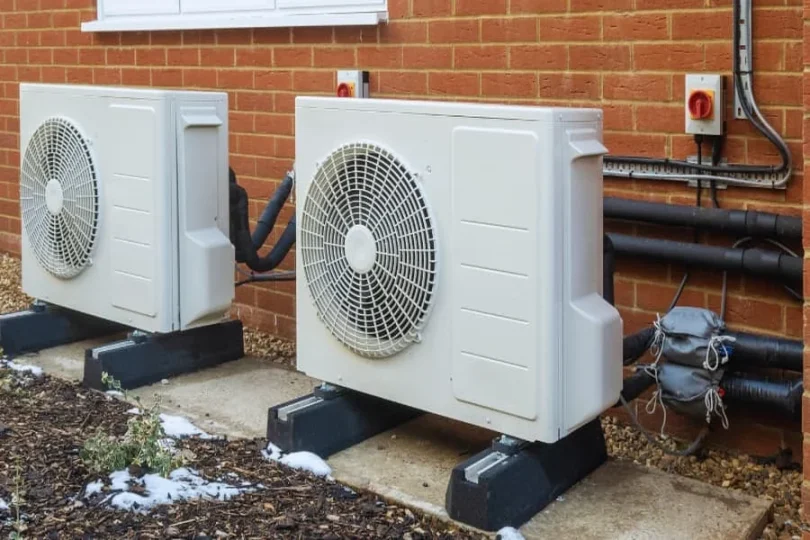
The position of the outdoor portion of your heat pump is crucial to performance and longevity. A common mistake is placing the unit in an area with restricted airflow or where debris, snow, or foliage can build up. When airflow is impeded, the heat exchange process becomes less efficient, forcing the system to work harder and potentially shortening its lifespan. Placing the outdoor unit too close to walls, fences, or shrubs can obstruct ventilation. Another issue is exposing the unit to direct sunlight or heavy wind; extreme conditions can reduce efficiency and cause unnecessary strain on components.
To avoid these problems, locate the outdoor unit on a stable, level surface with at least two to three feet of clearance on all sides and five feet above to allow unobstructed airflow. Ensure that surrounding vegetation is trimmed regularly and that the unit is protected from prevailing winds without confining it in a tight space. Proper placement increases efficiency, reduces maintenance needs, and prolongs system life.
To ensure your heat pump operates efficiently, it’s crucial to schedule regular maintenance checks. These inspections can identify potential issues before they escalate, saving you from costly repairs down the line. For those unfamiliar with the intricacies of heat pump systems, consulting with professionals can provide peace of mind. Companies like Elder Heating and Air offer expert guidance and services tailored to your specific needs, ensuring your system runs smoothly throughout the year. By prioritizing routine maintenance, you not only extend the lifespan of your heat pump but also enhance its performance, leading to a more comfortable and energy-efficient home environment.
3. Improper Refrigerant Charge and Line Set Installation
A precise refrigerant charge and correct installation of refrigerant line sets are essential for a heat pump to operate efficiently. A common error among installers unfamiliar with modern heat pump technology is assuming that refrigerant lines precharged from the factory are sufficient without adjustment. However, the actual length of refrigerant lines installed on site often differs from the manufacturer’s test conditions, requiring adjustment of the refrigerant charge. An incorrect charge leads to reduced heat transfer, higher energy usage, and potential damage to the compressor over time. Some systems can even integrate with solar panels in columbia gas ohio, allowing households to charge vehicles sustainably while minimizing energy expenses.
Additionally, poorly insulated line sets can lead to thermal loss, condensation issues, and reduced heating or cooling capacity. To avoid these mistakes, calculate the required refrigerant charge based on the actual length of the line sets and follow the manufacturer’s guidelines precisely. Insulate the suction line with high-quality insulation materials and ensure that all connections are leak-free and properly sealed. Taking the time to verify the refrigerant charge and quality of line set installation will greatly enhance system performance.
4. Neglecting Proper Electrical Connections
Another frequent installation error involves the electrical aspects of the heat pump system. Incorrect wiring, inadequate power supply, or improper grounding can lead to operational issues, safety hazards, and even void the manufacturer’s warranty. Electric panel capacity must be assessed to confirm that the system is receiving the necessary voltage and amperage. Using undersized wires or inappropriate circuit breakers can cause voltage drops, frequent tripping, or damage to electrical components within the heat pump.
Additionally, failing to install surge protection can expose the system to damage from electrical spikes. To prevent these issues, follow all local electrical codes and manufacturer requirements for wiring, breakers, and fuses. Verify that the electrical service can support the additional load and that all connections are secure and correctly rated. Adequate grounding and surge protection should be implemented to improve safety and extend the lifespan of the system.
5. Ignoring Proper Drainage and Condensate Management
Heat pumps not only transfer heat but also produce condensate as a by-product of cooling and dehumidification. Failure to manage drainage properly can result in water pooling around the indoor or outdoor unit, leading to mold growth, structural water damage, and corrosion of components. A common oversight is installing the indoor unit without considering appropriate slope and routing for condensate drain lines. If the drain line is not correctly sloped or becomes blocked, water can back up into the unit or overflow onto floors. To avoid these problems, ensure that condensate lines are installed with a continuous downward slope toward an approved drain point.
Consider adding a condensate pump if gravity drainage is not feasible. Inspect and clear drain lines regularly to prevent clogs from dust, debris, or biological growth. Proper drain line installation safeguards indoor air quality, prevents water damage, and maintains the overall health of the heat pump system.
Selecting a reliable company and ensuring that installers follow best practices tailored to your unique building conditions are critical to achieving lasting performance. Regular follow‑up maintenance and monitoring further ensure that the heat pump continues operating effectively over time. By understanding and avoiding these common pitfalls, you set the foundation for a dependable system that meets your heating and cooling needs while maximizing efficiency and comfort.