
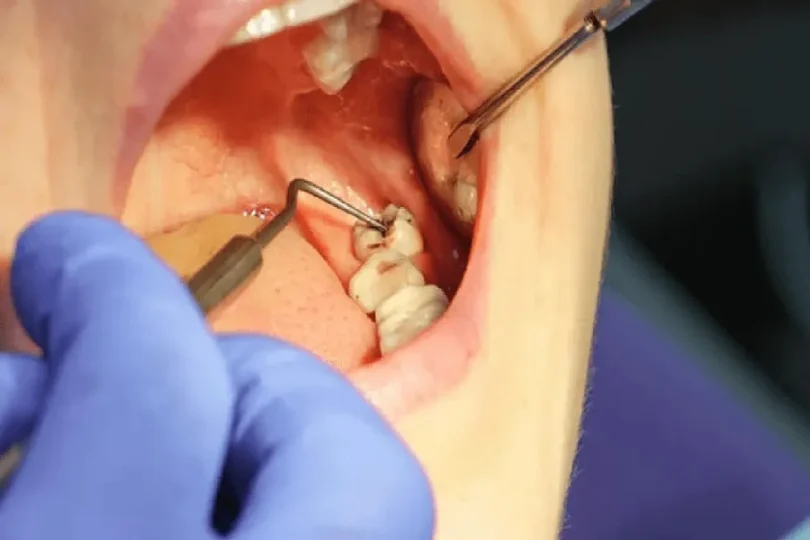

Wisdom teeth removal is a common yet carefully planned procedure that many individuals face during late adolescence or early adulthood. Although some third molars erupt without complication, many become impacted, misaligned, or trapped beneath the gumline, leading to pain, swelling, infection, and damage to nearby teeth. In these situations, the involvement of an oral surgeon becomes essential for proper diagnosis and safe treatment. We will explore how an oral surgeon evaluates, plans, and performs wisdom teeth removal while prioritizing patient comfort, precision, and long-term oral health. Understanding this role clarifies why advanced surgical training matters when managing complex extractions and protecting surrounding structures.
Key Responsibilities of an Oral Surgeon During Wisdom Teeth Removal
-
Comprehensive Evaluation and Diagnostic Planning
Before any surgical intervention begins, an oral surgeon conducts a detailed assessment to determine the exact position and condition of the wisdom teeth. This stage involves reviewing medical history, evaluating symptoms, and obtaining diagnostic imaging such as panoramic X-rays or 3D scans. These images reveal whether the teeth are fully erupted, partially impacted, or completely embedded within the jawbone. They also help identify the relationship between the roots and nearby anatomical structures, including nerves and sinuses. Proper planning reduces the likelihood of complications such as nerve irritation or sinus involvement.
The surgeon assesses gum health, bone density, and the angle of eruption to determine the appropriate surgical approach. At North Vancouver Be Well Dental, patients are also informed about anesthesia options, potential risks, and expected recovery timelines so they clearly understand each phase of the procedure. This consultation ensures that treatment decisions are individualized rather than routine, taking into account medical history, current oral conditions, and personal concerns. By carefully mapping out the procedure in advance, the oral surgeon minimizes uncertainty and establishes a structured plan that supports both safety and efficiency during surgery while maintaining a strong focus on patient comfort and long-term oral health outcomes.
-
Surgical Precision and Tissue Management
When wisdom teeth are impacted or positioned at challenging angles, removal requires controlled surgical technique rather than simple extraction. An oral surgeon makes precise incisions in the gum tissue to access the tooth and may remove small amounts of surrounding bone to create a clear pathway. In certain cases, the tooth is sectioned into smaller pieces to reduce pressure on the jaw and surrounding teeth during removal. This measured approach limits trauma to nearby tissues and promotes smoother healing.
Throughout the procedure, careful attention is given to protecting nerves, blood vessels, and adjacent molars. The surgeon uses sterile instruments and maintains a controlled environment to reduce the risk of infection. Sutures are placed when necessary to stabilize the area and encourage proper tissue closure. The ability to manage soft tissue and bone with accuracy distinguishes surgical removal from routine dental extraction. Each movement is calculated to preserve structural integrity while effectively eliminating the problematic tooth.
-
Anesthesia Administration and Patient Comfort
A significant aspect of the oral surgeon’s role involves managing patient comfort through appropriate anesthesia and sedation options. Wisdom teeth removal can cause anxiety, particularly when impaction is involved, so careful consideration is given to pain control and stress reduction. Depending on the case’s complexity and the patient’s medical history, options may include local anesthesia, intravenous sedation, or general anesthesia. The surgeon evaluates health conditions, allergies, and medications to ensure compatibility with sedation protocols. Continuous monitoring of vital signs during the procedure supports patient safety.
This oversight allows adjustments in sedation levels as needed, maintaining comfort without compromising stability. Effective anesthesia management ensures that patients experience minimal discomfort during surgery while remaining medically secure. After the procedure, guidance is provided regarding the temporary effects of sedation and safe post-operative transportation. By combining clinical knowledge with patient-centered communication, the oral surgeon creates an environment where individuals feel informed and reassured throughout the surgical process.
-
Management of Complications and Risk Reduction
Wisdom teeth removal carries potential risks, including dry socket, infection, swelling, bleeding, or temporary numbness. An oral surgeon is trained to anticipate and manage these complications efficiently. During surgery, techniques are used to preserve the blood clot that forms at the extraction site, reducing the risk of painful dry socket. Antibiotics may be prescribed when infection risk is elevated, and post-operative instructions are tailored to the individual’s healing capacity. If swelling occurs, recommendations such as applying cold compresses and taking anti-inflammatory medication are provided.
When a tooth is positioned near the inferior alveolar nerve, the surgeon uses precise imaging and surgical planning to minimize nerve injury. Should complications arise, prompt evaluation and intervention help prevent escalation. This proactive approach emphasizes prevention rather than reaction. The surgeon’s familiarity with complex anatomical variations ensures that even unexpected findings during surgery can be handled with controlled decision-making, maintaining patient safety at every stage.
-
Post-Operative Care and Long-Term Oral Health Guidance
The responsibility of an oral surgeon does not end once the wisdom teeth are removed. Structured follow-up care plays a critical role in achieving successful healing. Patients receive detailed instructions regarding oral hygiene, dietary modifications, medication schedules, and activity restrictions. Clear communication reduces confusion and encourages adherence to recovery guidelines. The surgeon may schedule review appointments to monitor healing progress, remove sutures if necessary, and assess tissue response. Attention is given to identifying early signs of infection or delayed healing.
Wisdom teeth removal involves more than extracting a tooth; it requires careful planning, surgical precision, clear communication, and attentive aftercare. The oral surgeon plays a central role in each of these stages, ensuring that impacted or misaligned third molars are addressed without compromising surrounding structures. From diagnostic imaging to sedation management and recovery monitoring, every phase is guided by clinical judgment and careful technique.