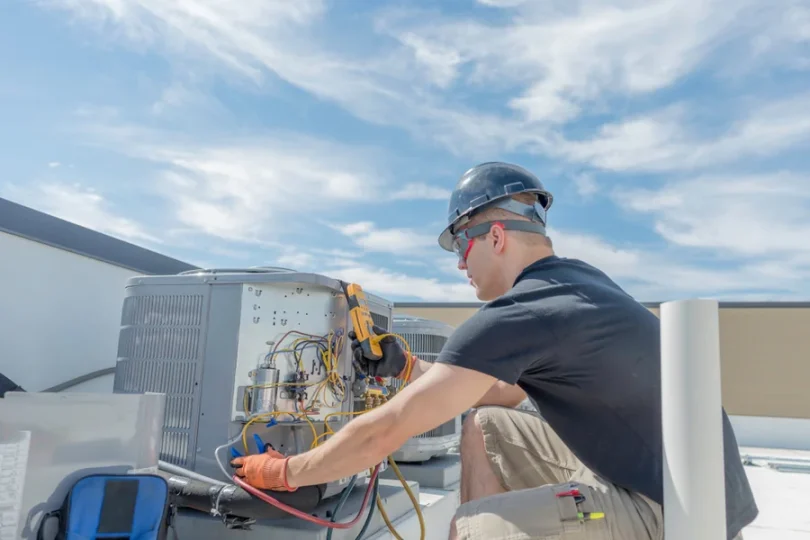

When your HVAC system starts acting up, it can be tempting to immediately call for professional help. However, many common issues can be resolved with a few simple troubleshooting steps, saving you both time and money. Understanding what to check before scheduling a repair visit can help you avoid unnecessary service calls and keep your home comfortable. This guide will walk you through practical actions you can take to identify and possibly fix minor HVAC problems on your own. By following these steps, you may restore your system’s performance and gain peace of mind before reaching out for assistance.
What to Expect from This Guide
Checking Your Thermostat Settings
One of the most overlooked yet crucial steps in HVAC troubleshooting is verifying your thermostat settings. Many homeowners assume their system is malfunctioning when, in reality, the thermostat may simply be set incorrectly. Start by ensuring the thermostat is set to the desired temperature and mode, such as heating or cooling. Sometimes, the system may be set to “fan only,” which circulates air without heating or cooling it. Additionally, check if the thermostat’s batteries need replacing, as low power can cause erratic behavior or prevent the system from turning on altogether. If your thermostat is programmable, review the schedule to confirm it matches your current needs. A simple adjustment or battery replacement can often resolve issues that seem more serious at first glance. Taking a few minutes to inspect your thermostat can save you from unnecessary worry and help you determine if further action is needed.
While basic checks like thermostat settings and air filter replacements can often resolve minor issues, persistent mechanical failures require a deeper look. Homeowners may notice their system struggling to maintain temperature during a cold snap, which often signals that complex internal components like the control board or the blower motor are beginning to fail. In instances where a professional Heater Repair becomes necessary, identifying whether the problem is electrical or mechanical can help streamline the diagnostic process. Monitoring for unusual sounds or persistent short-cycling can prevent small glitches from escalating into a total system shutdown. By addressing these early warning signs promptly, you ensure the long-term reliability and energy efficiency of your home’s climate control system.
Inspecting Air Filters and Vents
A common cause of HVAC problems is restricted airflow due to dirty or clogged air filters. When filters become saturated with dust and debris, your system has to work harder to push air through, which can lead to reduced efficiency, uneven temperatures, and even system shutdowns. It’s important to check your air filters regularly and replace them if they appear dirty or clogged. In addition to filters, inspect all vents and registers throughout your home to ensure they are open and unobstructed. Furniture, curtains, or other objects can block airflow, causing certain rooms to feel warmer or cooler than others. By maintaining clean filters and clear vents, you help your HVAC system operate smoothly and extend its lifespan. If you notice persistent issues after addressing these areas, it may be time to consider other potential causes.
Modern air conditioning units are complex machines that rely on several interconnected components to function properly. When troubleshooting a system that refuses to start, it is often helpful to consult professional resources to understand more about specific parts like capacitors or contactors. You can Click here to gain a better understanding of how these electrical components impact overall system performance. Identifying whether a failure is mechanical or electrical can save considerable time during the diagnostic process. By systematically eliminating simple causes like dead batteries or tripped breakers, you can better determine if the issue requires a standard reset or if a specialized technician needs to be called to handle a more significant repair.
Resetting Your HVAC System
Sometimes, your HVAC system may experience a minor glitch that can be resolved with a simple reset. Power surges, outages, or brief interruptions can cause the system’s internal controls to malfunction, leading to unexpected behavior. To reset your system, turn off the power at the thermostat and the circuit breaker, wait a few minutes, and then restore power. This process allows the system’s electronics to recalibrate and can often clear temporary faults. If your system resumes normal operation after a reset, you may have avoided a service call. However, if the problem persists, further investigation is warranted. For more information on troubleshooting and maintenance, Click here to access additional resources and support.
Listening for Unusual Noises
Unusual noises coming from your HVAC system can be an early warning sign of underlying issues. Rattling, banging, or squealing sounds may indicate loose components, worn belts, or debris caught in the system. Pay close attention to when and where the noises occur, as this information can help pinpoint the source of the problem. Sometimes, a simple tightening of screws or removal of debris can resolve the issue. However, persistent or loud noises should not be ignored, as they may signal more serious mechanical problems that require professional attention. By addressing unusual sounds promptly, you can prevent further damage and maintain the efficiency of your HVAC system.
Beyond the immediate mechanical checks, homeowners should consider the age and historical maintenance of their equipment. System performance often declines subtly over time, leading to higher energy bills or uneven cooling that simple filter changes cannot rectify. In these instances, consulting a local HVAC contractor in Peachtree Corners can provide clarity on whether a repair or a full system upgrade is the most cost-effective path forward. Professional diagnostics often reveal hidden electrical issues or refrigerant leaks that require specialized tools to identify accurately. By staying proactive with these checks, you ensure your home remains a sanctuary of comfort regardless of the outdoor temperature spikes.
Checking Circuit Breakers and Power Supply
If your HVAC system fails to turn on or suddenly stops working, the issue could be related to the power supply. Begin by checking your home’s circuit breaker panel to see if any breakers have tripped. A tripped breaker can cut power to your HVAC unit, rendering it inoperable. Reset any tripped breakers and observe whether the system resumes normal function. Additionally, inspect the power switch near your indoor unit, as it may have been accidentally turned off during cleaning or maintenance. Ensuring a stable power supply is essential for proper HVAC operation. If power issues persist after these checks, there may be a deeper electrical problem that requires professional diagnosis.
Checking the thermostat settings and power switches are fundamental first steps that often resolve minor system glitches without further intervention. Sometimes, however, the issue lies deeper within the mechanical or electrical components, necessitating a professional evaluation to prevent accidental damage. Dedicated service providers like Norris Mechanical, LLC offer the specialized diagnostic tools and technical expertise required to handle complex repairs safely and efficiently. Beyond simple troubleshooting, having a qualified technician inspect the furnace or air conditioner ensures that small wear-and-tear issues do not escalate into expensive system failures. Taking these proactive measures helps maintain consistent indoor temperatures while extending the overall lifespan of your home’s climate control equipment.
When to Call for Professional Help
While many HVAC issues can be resolved with basic troubleshooting, there are situations where professional assistance is necessary. If you notice persistent problems such as frequent cycling, poor airflow despite clean filters, or unusual odors, it’s important to seek help. Additionally, refrigerant leaks, electrical faults, or issues with the compressor should only be handled by trained technicians. Attempting to repair complex problems on your own can lead to further damage or safety hazards. Recognizing when to call for help ensures your system receives the care it needs and helps you avoid costly repairs down the line.
The Importance of Regular Maintenance
Regular maintenance is key to preventing HVAC problems and ensuring efficient operation. Scheduling routine inspections and tune-ups can help identify potential issues before they escalate, saving you money and reducing the risk of unexpected breakdowns. Maintenance tasks such as cleaning coils, checking refrigerant levels, and inspecting electrical connections contribute to the longevity and reliability of your system. By staying proactive with maintenance, you can enjoy consistent comfort and peace of mind throughout the year.
Conclusion
Taking the time to perform simple troubleshooting steps before booking an HVAC repair visit can save you both time and money. By checking thermostat settings, inspecting air filters and vents, resetting your system, and ensuring a stable power supply, you may be able to resolve minor issues on your own. Listening for unusual noises and knowing when to call for professional help are also important aspects of maintaining your HVAC system. Regular maintenance further reduces the likelihood of unexpected problems and keeps your home comfortable year-round. By following these practical steps, you can make informed decisions about when to seek assistance and keep your HVAC system running smoothly.