
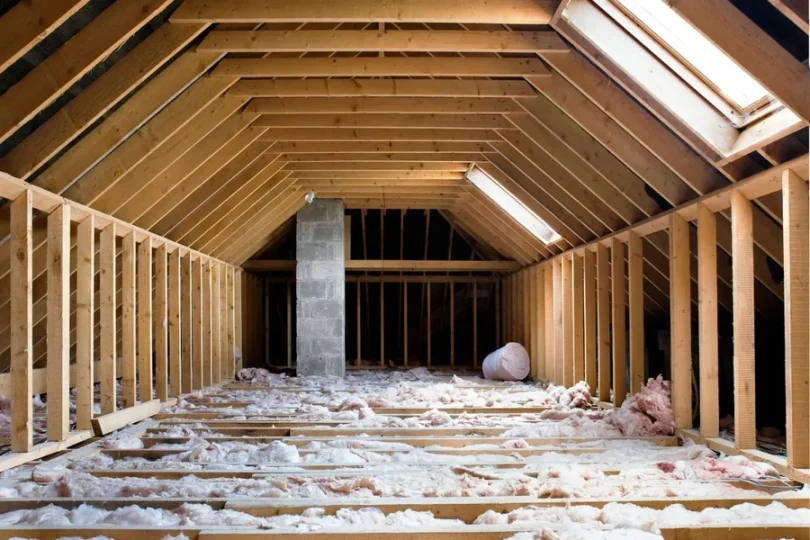

Attics are designed to be out of sight and out of mind, which is exactly why pests like them. Insulation adds another layer of appeal by creating a soft, warm, hidden environment where animals can tunnel, build nests, and avoid daily disturbance. Even when an attic seems dry and clean, small entry points near rooflines, soffits, plumbing vents, and wiring penetrations can give rodents, squirrels, birds, and insects a path inside. Once they get in, the insulation helps them stay. It traps body heat, muffles noise, and provides loose fibers that can be rearranged into bedding. Understanding why insulation attracts pests makes it easier to stop infestations by addressing access, food cues, and the conditions that allow nesting to continue.
What attracts pests to insulation
-
Warmth, cover, and quiet create an ideal shelter.
Insulation turns an attic into a protected shelter with stable temperatures compared to the outdoors. In the colder months, heat loss from the living space below warms the attic floor, and insulation retains that warmth long enough to make nesting worthwhile. In hot months, insulation still helps by creating pockets of shade and reducing airflow, giving pests a place to hide from predators and direct sun. Many animals prefer tight, concealed routes, and insulation provides a tunnel-like medium where they can travel without crossing open framing. The quiet matters too. Foot traffic is rare in most attics, and the soft surface muffles movement, making pests feel safer and less likely to be detected. Rodents can also chew and shape insulation around rafters and trusses to create a sheltered cavity that stays dry even when the attic experiences temperature swings. Over time, repeated nesting compresses insulation, creating a shallow depression that becomes the preferred spot for a colony because it is already formed and easy to reuse.
-
Easy access routes and overlooked entry points
Most infestations begin with access rather than with insulation itself. Attics have many transition areas where materials meet, creating small gaps, especially around soffit returns, gable vents, ridge vents, and roof-to-wall intersections. Plumbing vent stacks, bathroom fan ducts, recessed light housings, and wiring penetrations can also serve as entry points if not properly sealed. Even a small gap can be enough for mice, and slightly larger openings allow rats, squirrels, and birds to get inside. Once an animal finds a successful route, it leaves scent trails and droppings that guide others. This is why the problem can grow fast after the first entry. Homeowners often search online, click on a Website, and focus on the nesting mess they can see, but the real driver is usually the path that allowed the first animal in. Wind pressure can also help pests by pulling exterior air through soffits and vents, carrying odors from kitchens, pet food, or stored items upward. That scent stream can act like a map, leading pests directly to the attic where insulation provides immediate cover once they arrive.
-
Nesting material and moisture cues reinforce the habit.
Insulation is not food, but it behaves like nesting material. Fiberglass, cellulose, and loose-fill products can be pulled apart and arranged to create bedding. Some pests also bring in extra material, such as leaves, paper, fabric scraps, or stolen dryer lint, and insulation provides a base for them to build on. Moisture plays a supporting role. Small roof leaks, condensation on ductwork, and poorly vented bathroom fans can dampen sections of insulation and wood, creating a more attractive environment for insects and encouraging microbial growth that changes odors. Certain pests are drawn to humidity and the smell of damp wood, while others simply benefit from easier nesting when materials are softened. If the attic has HVAC equipment or ducting, minor air leaks can create warm, humid pockets that persist even when the rest of the attic is dry. That combination of warmth and moisture can turn a random visit into a permanent nesting choice. Once nesting begins, pests often chew more openings to improve their movement and access, which can worsen ventilation and increase moisture retention, making the attic even more inviting over time.
Insulation invites pests through comfort.
Attic insulation becomes a nesting area because it provides warmth, concealment, and quiet, while also offering a tunnel-like material that pests can shape into bedding. Entry points around vents, soffits, and penetrations allow animals to reach the attic, and scent trails help others follow the same routes. Moisture from leaks or venting problems can amplify attraction by changing odors and softening materials, while food sources elsewhere in the home keep pests returning to the attic for shelter. Long-term prevention relies on sealing access routes, removing contaminated insulation when needed, controlling moisture, and reducing odor pathways with air sealing. When the attic stays dry, screened, and well-sealed, insulation stops acting like a safe nesting zone and returns to its intended job of protecting indoor comfort.