
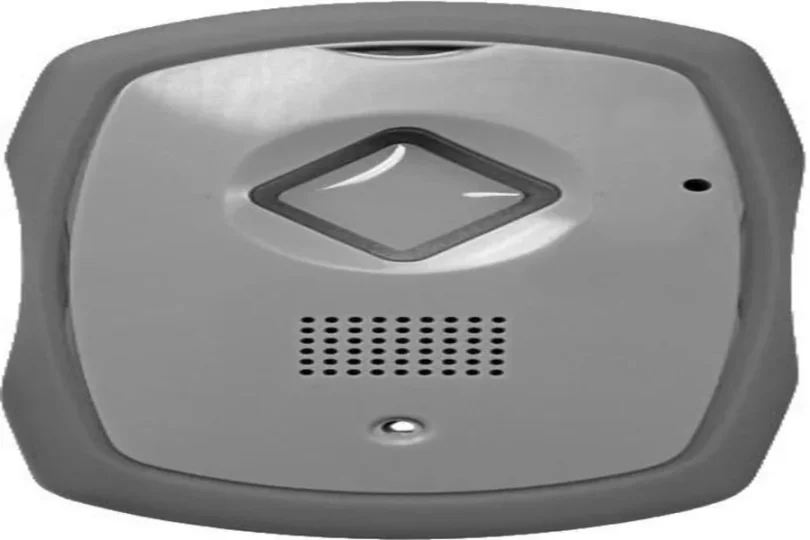

Every day routines seem easy until something unexpected occurs. A sudden slip in the bathroom, dizziness when walking, or a fall in an empty room can transform a normal moment into a serious risk. When help is not available nearby, even minor accidents can get out of hand easily. You may be concerned about how quickly help would arrive or if anyone would know that you need help in the first place.
This is where modern safety technology is quietly changing outcomes. The modern emergency call solutions aim to respond instantly and minimize delays to prevent accidents from turning into a life-threatening event.
This article explains how technology in emergency call buttons works and how it actively helps to prevent accidents, with the help of timely response, smart detection, and reliable communication.
1. One-Touch Access To Immediate Assistance
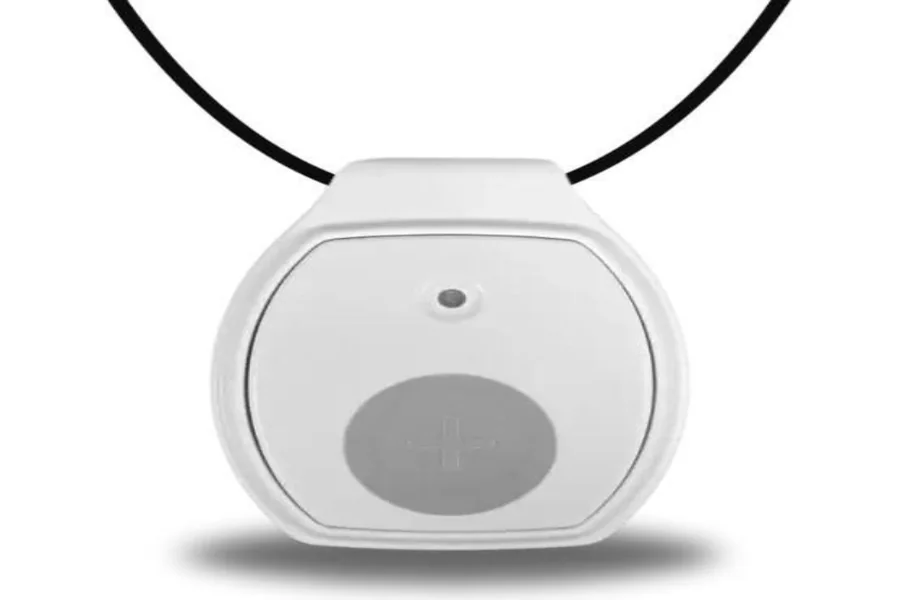
At the centre of the modern safety systems is the emergency call button, which aims to eliminate any sort of hesitation and complexity during stressful moments. Instead of searching for a phone or calling out for help, a single press gets you connected to trained support within seconds.
This one-touch design plays a direct role in the prevention of accidents. When help can be called immediately, panic is decreased, and risky attempts to stand, walk, or recover without help are avoided. As a result, secondary injuries caused by delayed response become far less likely.
Moreover, the simplicity of the button ensures that it can be used even when mobility, balance, or coordination is affected. Because the action required is minimal, response time improves greatly, creating a safer environment at home or in motion.
2. Advanced Fall Detection Reduces Response Delays
Falls are one of the most common causes of serious injury, especially if no one is around. Technology has developed to counter this risk through automatic fall detection.
Sensors embedded in emergency call devices monitor unexpected changes in movement, orientation, and impact. When a fall is detected, an alert is automatically triggered, even if you are not able to hit the button. This feature has the ability to bridge the critical gap between when an accident happens and the arrival of help.
By decreasing response time, fall detection helps to reduce the risk of possible complications, such as prolonged immobility, shock, or further injury. As a result, recovery results improve, and many accidents are prevented from worsening.
3. Two-Way Communication Enhances Safety Decisions
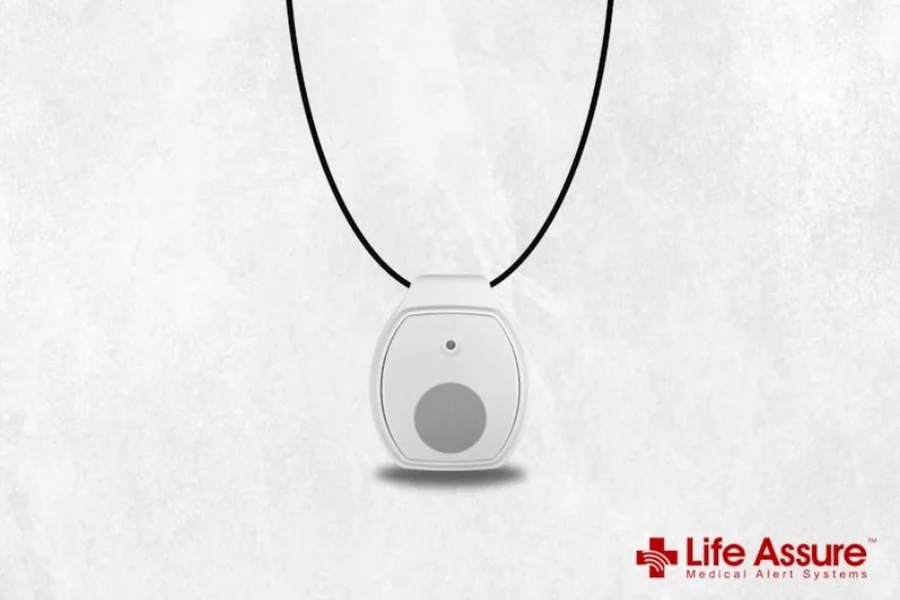
Technology is not limited to sending alerts. Two-way communication offers direct interaction with trained responders immediately after an incident happens.
Through built-in speakers and microphones, you will be able to explain what has occurred, how you are feeling, and get guidance while help is arranged. This real-time communication makes it possible to avoid making bad decisions, such as attempting to move after a fall or ignoring symptoms that may seem minor.
In addition, responders are able to assess the situation more accurately. Because assistance is addressed to the actual need, there are no unnecessary delays or incorrect assistance, which contribute to better accident prevention and overall safety.
4. Reliable Connectivity Ensures Help Anywhere
Accidents do not have schedules or locations. For this reason, the modern emergency call technology emphasizes reliable connectivity, both indoors and outdoors.
Many systems are based on cellular networks instead of just relying on landlines. This enables alerts to be made from different locations, such as gardens, driveways, or public areas. As long as the coverage is available, assistance is accessible.
Reliable connectivity ensures that help is not confined to only one room or building. Because protection is not restricted to fixed spaces, the risk of moving freely around is reduced. This freedom, coupled with constant access to support, is helpful in preventing accidents due to isolation or delayed communication.
5. Lightweight And Wearable Design Encourages Consistent Use
Technology is only effective when it is used consistently. Modern emergency call buttons are made to be lightweight, discreet, and comfortable enough to wear around all day.
Wearable forms of buttons, such as pendants or wrist buttons, also ensure that the button is within reach all the time. This design makes it difficult to leave the device behind when conducting everyday activities where an accident is most likely to occur.
Because the device is natural to wear, it becomes a part of a routine and not an afterthought. Consistent use implies quicker response in case of emergency, a less risky situation, and confidence in daily movement.
6. Continuous Monitoring Provides Peace Of Mind
Beyond an immediate emergency response, technology is also used for continuous monitoring. This ongoing readiness has a preventive role through inducing safer behavior and decreasing anxiety.
Knowing that help is always available gives you permission to move more confidently without taking unnecessary risks. At the same time, caregivers and family members have reassurance that they will get alerts if something goes wrong.
This balance between independence and support provides for a safer living environment. As confidence improves, stress decreases, and a general awareness of personal safety is increased, leading to fewer accidents over the long run.
Conclusion
Technology in emergency call buttons is much more than just an alert. Through instant access, fall detection, two-way communication, reliable connectivity, wearable design, and around-the-clock monitoring, these systems play an active role in reducing risks and preventing accidents from escalating.
By reducing response time and helping to make safer decisions, modern emergency call technology helps to transform the way in which accidents are managed. More importantly, it enables you to live with confidence, knowing that help is always just a moment away.