

Drain problems rarely arrive at a convenient time. One day everything seems normal, and the next day a sink will not empty, a shower backs up, or a toilet threatens to overflow. Emergency drain cleaning is the fast response used when water is already rising, fixtures are unusable, or there is a risk of damage. Scheduled maintenance is the quieter approach that prevents those moments by clearing buildup and checking drainage performance before a crisis hits. Both have value, but they solve different needs and create different outcomes for your plumbing system. Knowing how they differ helps homeowners choose the right response, protect their property, and reduce repeat problems. It also enables you to recognize early warning signs so you can shift from urgent reaction to predictable upkeep that supports long-term pipe health.
Two approaches, two outcomes
When emergency drain cleaning is the right call
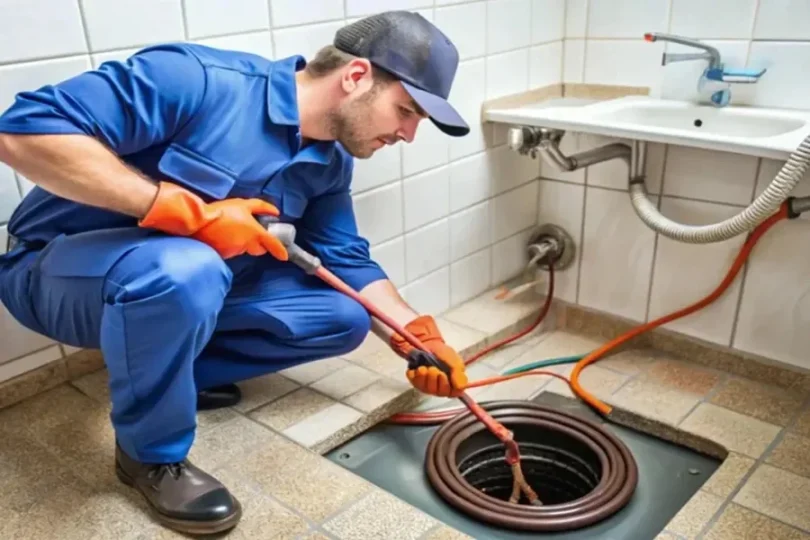
Emergency drain cleaning makes sense when the problem is immediate and has consequences that cannot wait. Examples include wastewater backing up into a tub, a kitchen sink that cannot be used, multiple fixtures draining poorly at the same time, or standing water that could damage floors and cabinets. In these situations, the primary goal is to restore flow quickly and reduce the risk of overflow or contamination. That urgency changes how the job is performed. The technician focuses on clearing a path for water to flow again, often using mechanical methods such as augers, cable machines, or targeted clearing at a cleanout.
While scheduled maintenance is often seen as a secondary concern, neglecting it can lead to structural complications that are far more difficult to rectify. Routine inspections allow homeowners to identify early warning signs like mineral buildup or minor leaks before they escalate into high-pressure bursts. Professional teams like the North Salt Lake Plumbing Pros emphasize that proactive clearing of main sewer lines can effectively prevent the hazardous wastewater backups that often characterize a true plumbing crisis. By choosing to address these systems on a predictable schedule, property owners avoid the extreme stress and premium costs associated with middle-of-the-night emergency interventions, ensuring their home remains a safe and functional environment throughout the year.
In many cases, the obstruction is thick enough that simple plunging or small hand snakes will not resolve it for long. Emergency work also involves immediate decision-making about what not to do, such as avoiding repeated chemical dumping or aggressive plunging that can splash dirty water or push debris deeper. The result is usually a functional drain, but emergency service may not include a full system evaluation because the priority is to stop the immediate disruption and get the home back to a usable condition.
What scheduled maintenance actually does for your pipes
Scheduled drain maintenance aims to prevent emergencies by managing buildup before it becomes a blockage. Instead of waiting for a sink to stop, maintenance addresses the slow narrowing caused by grease, soap residue, minerals, hair, and scale. A maintenance visit may include cleaning methods that remove coating from pipe walls rather than only punching a small channel through the center of a clog. This often reduces recurring slow drains and helps fixtures drain quietly without gurgling or odors. Maintenance also provides an opportunity to spot patterns, such as repeated buildup on the kitchen line from cooking fats or a chronic shower drain blockage from hair products. Homeowners sometimes schedule service after noticing early warning signs such as frequent plunges, water that drains slowly but eventually clears, or backups that occur during heavy water use. One sentence captures the benefit: Plumbing Repair Services scheduled on a routine basis can reduce the likelihood of after-hours emergencies by addressing the buildup that emergency calls often reveal. Because maintenance is planned, it is easier to prepare access to cleanouts, clear under-sink areas, and coordinate follow-up work if inspection shows root intrusion or a damaged section of line.
Cost, timing, and the hidden trade-offs
The difference between emergency cleaning and maintenance is not only a matter of timing; it is also a trade-off between disruption and control. Emergency calls often occur at night, on weekends, or during busy household hours, when stress is higher, and the risk of water damage is real. That can lead to limited choices, such as authorizing the quickest fix to restore function. Scheduled maintenance happens on your calendar, which means you can plan around work, arrange access, and ask more questions. In many markets, emergency services can cost more because they require rapid response and off-hour scheduling, while maintenance is often priced more predictably. Beyond direct cost, consider the hidden costs of emergencies: ruined cabinetry, damp drywall, contaminated surfaces, missed work time, and the disruption of not being able to use bathrooms or kitchens. There is also a mechanical trade-off. Emergency clearing can be effective, but if performed under pressure, it may focus on restoring flow rather than fully removing the buildup, so that slow drainage may return sooner. Maintenance focuses more on thorough cleaning, which can extend the time between issues. The goal is to shift from surprise breakdowns to a routine that keeps the system stable.
Steps to Reduce Emergencies
Emergency drain cleaning restores function when a blockage threatens property, hygiene, or basic daily routines. Scheduled maintenance focuses on prevention by removing buildup before it becomes a crisis and by identifying patterns that lead to repeated slow drains. Emergencies can cost more in time and disruption, while maintenance offers more control, predictability, and long-term protection for pipes. If you are dealing with active backups or multiple fixtures failing, act quickly and limit water use. Suppose you notice slow drainage, gurgling, or recurring clogs. Schedule maintenance before the situation escalates. A steady routine can turn plumbing from a reactive problem into a predictable system that supports your home without surprise interruptions.