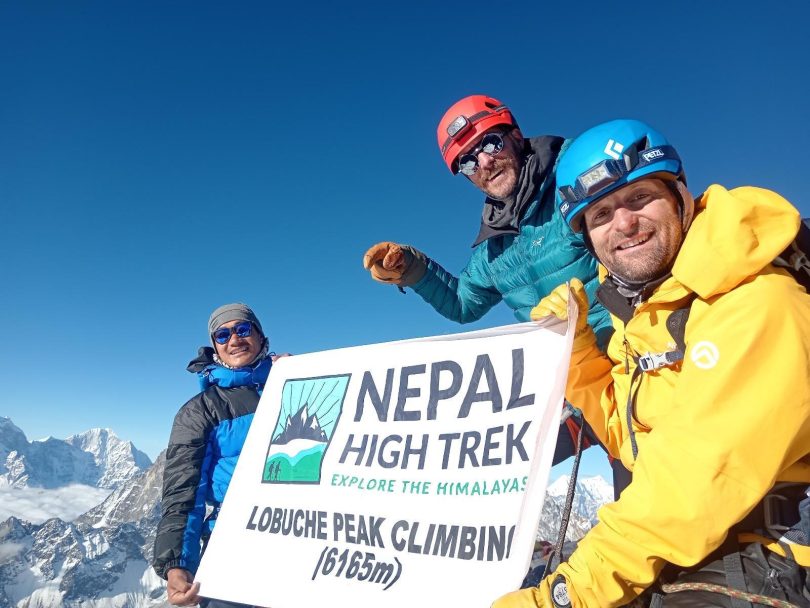

Nepal is a place of incredible mountain adventures, from scenic treks to challenging climbs. Annapurna Base Camp trek and Lobuche Peak climbing are two unique ways to experience the majestic Himalayas of Nepal in seven days. They are both amazing and have great mountain views and local culture, but they vary in length, difficulty, elevation, and price.
Knowing these will help you select an adventure that is appropriate to your fitness level, schedule, experience, and travel plans.
What is the reason behind this short Annapurna trek being a memorable experience?
The 7-days Annapurna Base Camp trek is perfect for those wanting to see the Himalayas in a short amount of time. The tour begins at Pokhara and heads through traditional settlements, wooded footpaths, river valleys and wonderful mountain scenery to reach the base of Annapurna at 4,130m.
En route, guests will have the opportunity to stay with local families and enjoy views of Annapurna I, Machhapuchhre and other mountains.The route passes through lush green hills before opening into a stunning mountain sanctuary, offering beautiful scenery throughout the trek. Although the trek lasts just seven days, long walks, steep stone steps, and rising altitude make good preparation essential. Maintain a steady pace and watch for signs of altitude sickness.
Why Choose Lobuche Peak Climbing?
For those seeking a more challenging mountain adventure, Lobuche Peak climbing merges the thrill of trekking through the picturesque landscapes of the Everest region with the ascent of a high peak for the ultimate summit goal. The highest point on this trek is at 6119 meters, so it’s a more difficult hike than the average trek.
The route passes through remote Himalayan villages and rugged mountain terrain. Summit attempts require cold-weather gear, strong physical fitness, climbing equipment, expert guidance, and proper acclimatization.
For those wanting to go beyond trekking, Lobuche Peak offers an exciting chance to experience the challenges and rewards of Himalayan climbing.
Can You Reach Annapurna Base Camp in Seven Days?
Yes, a seven-day itinerary can take trekkers to Annapurna Base Camp, but the compressed schedule requires careful planning. Long walking days and frequent elevation changes can be challenging for trekkers who are new to the mountains.
Walk before traveling, walk uphill, walk stairs, walk regularly, etc. Wear comfortable trekking boots and carry a well-fitted backpack.
Of particular interest are the heights experienced on this walk, which culminates in a peak of 4,130 metres. Don’t disregard headaches, nausea, dizziness or unusual fatigue. If the symptoms worsen, alert the Guide and look for suitable help, instead of climbing higher.
A shorter itinerary may not suit every traveler. Those who require time to acclimate can benefit from a longer acclimatisation programme.
Difficulty of Lobuche Peak Climbing.
The Lobuche Peak climbing is not a mere trek but demands sturdiness as well. High elevation, weather changes, and technical aspects may require specific equipment and skills, making preparation essential for the climber.
Training should involve cardiovascular exercise, leg strength, balance and use of mountaineering equipment under qualified supervision. Previous climbing experience can be helpful, but the requirements depend on the route and the climber’s abilities.
There is another difficulty with altitude. All physically fit individuals can get altitude-related illness if they rise too rapidly. Do what your guide says, take time to acclimatize and be ready to turn around if it is not safe to go any further.
Comparing Duration, Altitude, and Cost
These two Himalayan adventures differ mainly in their goals and the experiences they offer. Annapurna Base Camp is a trekking destination, while Lobuche combines a longer trekking journey with a mountaineering objective.
| Feature | 7 Days Annapurna Base Camp Trek | Lobuche Peak Climbing |
| Duration | 7 days | 15 days |
| Maximum altitude | 4,130 m | 6,119 m |
| Starting and ending point | Pokhara | Lukla |
| Main activity | Trekking | Trekking and peak climbing |
| Difficulty | Moderate | Adventure/expedition |
| Accommodation | Tea houses and local lodges | Tea houses/camping |
| Package price | From $485 per person | From $2,200 per person |
| Listed seasons | Spring and autumn | March–May and September–December |
The Annapurna package is listed at $525 for one person, $485 per person for groups of 2–7, and $450 per person for groups of 8–15. The Lobuche Peak climbing package starts at $2,200 per person.
The Annapurna trek generally suits travelers with limited time who want a demanding mountain walk without a technical summit attempt. Lobuche Peak climbing takes more time, requires specialized mountaineering training, and costs more than the Annapurna Base Camp trek.
When Should You Plan Your Himalayan Adventure?
Nepal trekking is a favourite time in spring and autumn. They attract travellers for particular weather conditions and views of the mountains, but conditions can rapidly change.
March–May and Sept–Dec are the listed months for Lobuche Peak climbing. Conditions always vary depending on the weather, snow and expedition program.
Be flexible with your travel plans, especially if flights or the weather might alter your trip. Don’t plan a climb on a specific date, but give yourself plenty of time to acclimatize and plan for delays.
Fitness and Preparation for Both Trips
Preparation should be in accordance with the requirements of the adventure(s) you have selected. When it comes to Annapurna Base Camp, the key is to get cardiovascularly fit and develop leg strength, along with walking for several hours every other day.
Climbing Lobuche Peak is not as lightly dressed a preparation. In addition to endurance and strength, it is important for climbers to have knowledge of their planned route and the equipment and techniques used. Let a certified guide know of your experience and readiness before booking.
On both journeys, plan your clothing, footwear, sun protection, medicine and other trekking gear accordingly. Make sure your travel insurance covers the altitude and activities planned for your trek.
Accommodation, Meals, and Mountain Culture
The usual accommodation on the Annapurna trek is local tea shops, but for the Lobuche expedition, it can be tea houses or camp, depending on the trek plan.
The facilities are simplified in remote mountain areas. Availability of rooms, heating, hot water and food options may differ by location and season. Expect simple accommodation and not the comforts of a city hotel.
The two paths also allow for the opportunity to experience local tradition and hospitality. To keep landscapes and communities special, one must respect community traditions and leave trails clean.
Safety, permits, altitude awareness.
The two adventures will need to be well planned and permission will need to be obtained for them. Arrange necessary documentation, guide, arrangements, transportation, insurance and equipment upon departure.
The summit of Lobuche Peak is above the 6000 m level and so altitude safety is a special concern during Lobuche Peak climbing. A lot of people, even those who are experienced and physically fit, can get altitude-related illness. It is important to ascend responsibly, acclimate appropriately, and monitor symptoms.
On either trip, follow your guide’s directions and don’t proceed up the hill if it is unsafe for you or if the conditions deem it unsafe. Unless necessary to go down, it is a wise safety move to descend.
How much should you spend?
The base price for the Annapurna Base Camp trekking package is $525 per person for a 7-day trek, $485 per person for 2 to 7 persons and $450 per person for 8 to 15 persons. The climbing cost per person is $2,200 for Lobuche Peak.
These rates are for various forms of adventure, so be sure to check what is included in the package. See if meals, lodging, transportation, permits, guide services, and climbing equipment are covered. There will be unexpected costs for unexpected delays, personal spending, tips, insurance, etc.
Living with the Himalayan Landscapes and Local Communities
The forested trails, the traditional villages and the panoramic vistas within the mountain sanctuary are some of the features offered by Annapurna. It is an attraction for those who like a change of scenery and an interest in village life along the way.
Lobuche offers an alternative route into the Everest region with its high mountain landscape and Sherpa culture. The trips are designed to help participants learn about the natural beauty and cultural heritage of Nepal, as well as its customs and traditions, all while encouraging them to appreciate and respect the local people and their surroundings.
What is your preference if you want to go to the Himalayas?
A 7-day Annapurna Base Camp Trek is a good option for those looking for a memorable mountain trek in a week. It offers a challenging to very challenging landscape, charming villages, and an enjoyable destination without a technical objective.
The Lobuche Peak climb is more suitable for those who are ready to commit to about 15 days and are interested in the challenge of mountaineering. It is more time-consuming, needs more special equipment and requires critical attention to altitude.
In the end, it’s all about you, your experience, your readiness, your time, and your objectives. Either adventure can be a wonderful experience in the extraordinary Himalayas of Nepal with realistic planning and a safety-first approach.
We’re Nepal High Trek And Expedition Pvt. Ltd., based in Kathmandu, specializing in treks, climbs, and more for solo travelers and private groups.
Contact us at info@nepalhightrek.com or WhatsApp +977 9851142116.