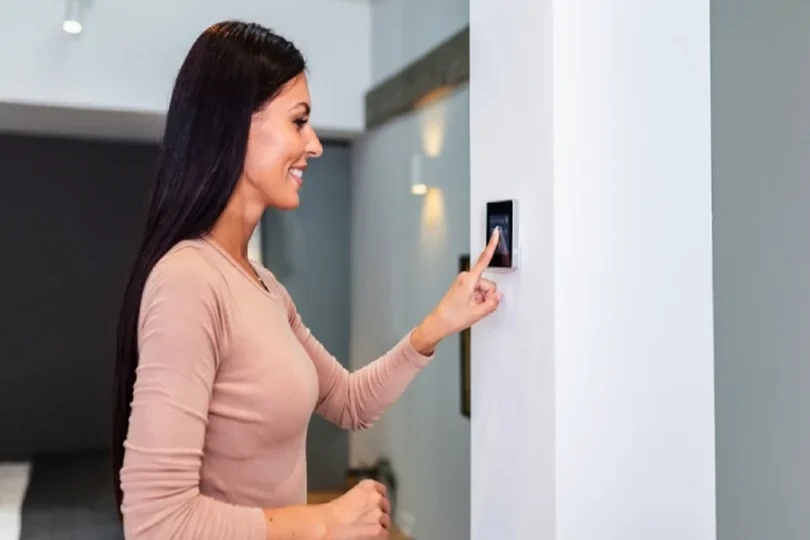

A thermostat looks simple on the wall, but it serves as the control hub for the entire heating and cooling system. When it starts sending the wrong signals, the result can feel like a much larger equipment failure. Rooms may stay too warm, the air conditioner may run too long, the furnace may cycle at the wrong time, or the system may stop responding altogether. Many homeowners assume the fix is as easy as changing batteries or adjusting settings. Yet, thermostat trouble often points to wiring faults, calibration errors, placement issues, or communication problems that affect overall HVAC performance in ways that are not immediately obvious.
What thermostat issues really affect
-
Wrong Readings Create Real Comfort Problems
One reason thermostat issues often require professional HVAC service is that the problem rarely lies with the display screen itself. A thermostat that reads the indoor temperature incorrectly can force the system to heat or cool longer than necessary, which creates discomfort, higher energy use, and extra wear on components that are simply following bad instructions. The cause may be poor calibration, aging internal sensors, loose wiring, dust inside the unit, or even a thermostat placed near a window, return vent, or heat-producing appliance. Those details matter because the equipment depends on accurate temperature data to cycle properly. Ensuring that your HVAC unit receives the right information requires more than just checking the wall unit for physical damage or low batteries. Sometimes the discrepancy between a set temperature and the actual room climate is a sign that the internal communication between sensors and the control board has drifted. In these instances, a professional evaluation that includes cooling system diagnostics can help determine if the problem is a simple calibration error or a deeper electrical fault within the wiring. By identifying these subtle issues early, homeowners can avoid the unnecessary wear on major components that occurs when a system cycles too frequently based on incorrect data. When that data is off, the system may keep running after the house is comfortable or shut off before enough conditioned air has reached distant rooms. Professional HVAC service becomes important here because the contractor can determine whether the thermostat is malfunctioning, reacting to its location, or revealing a larger airflow and control problem elsewhere in the home. What seems like a small wall-mounted issue often changes how the entire system behaves from one cycle to the next.
When a thermostat begins to display erratic readings or fails to communicate with the furnace altogether, the underlying cause is often more technical than a simple battery change. Complexities within the modern control board or damaged low-voltage wiring can create a cascade of performance issues that compromise the entire system’s efficiency. For homeowners seeking local expertise to diagnose these subtle electrical faults, the opportunity to Visit our Newnan location provides access to specialized tools and diagnostic equipment that ensure a precise resolution. Addressing these malfunctions promptly prevents unnecessary strain on the heating unit, helping to maintain a consistent indoor climate while avoiding the inflated energy costs typically associated with a poorly calibrated or unresponsive temperature control system.
-
Control Failures Can Mimic Bigger Equipment Trouble
Thermostat problems also require professional service because they often imitate more serious furnace or air conditioning failures. A homeowner may think the compressor is failing, the blower is dying, or the system has completely shut down when the real issue is a broken control signal, a faulty low-voltage connection, or a programming error in the thermostat setup. Contractors who handle Santa Clarita HVAC Services frequently encounter situations where the system itself is still operational. Still, the thermostat is interrupting operation due to poor scheduling, miscommunication, or unstable electrical contact. This is why thermostat troubleshooting is rarely just a matter of pressing buttons until the unit responds. learn this here now A technician may need to test voltage, inspect terminals, verify compatibility between the thermostat and the HVAC equipment, and confirm that each heating and cooling stage is being called correctly. In homes with newer smart controls, the problem can become even more layered because Wi-Fi integration, app settings, software behavior, and equipment communication all influence how the system responds. Professional diagnosis helps separate a true equipment problem from a control issue before unnecessary parts are replaced or more serious damage is caused by repeated short cycling and erratic operation.
-
Installation, Wiring, and System Matching Matter
Another reason thermostat issues often call for professional HVAC service is that these controls must be correctly matched to the equipment they operate. Not every thermostat works properly with every furnace, heat pump, or multi-stage cooling system. If the wiring is incorrect, the settings do not match the unit’s configuration, or the thermostat lacks the necessary control capability, the system may behave unpredictably even though all major mechanical components are intact. A homeowner changing a thermostat on their own may unintentionally reverse the wires, omit a necessary connection, or select operating settings that do not match the actual HVAC setup. The result can be weak cooling, uneven heating, constant fan operation, or a system that refuses to start at all. For property owners who notice these erratic patterns, finding a specialized contractor is the most effective way to restore balance to the home. Navigating the technical settings of a modern thermostat requires a deep understanding of how control logic interacts with specific furnace and air conditioner models. When you visit https://www.acrsedalia.com/, you can find experienced technicians who handle these delicate calibrations and wiring updates. Professional oversight ensures that the thermostat and the mechanical units work in harmony, which limits unnecessary wear on the system and helps maintain a more consistent indoor temperature throughout the day. Professional service helps because the contractor does not just install the device. They verify how the HVAC system is designed to communicate, confirm that the control logic makes sense for the equipment, and test whether the thermostat commands normal performance in each operating mode. This matters especially in homes with zoning features, dual-fuel systems, variable-speed equipment, or add-on accessories that depend on coordinated control signals to function correctly.
A Thermostat Problem Is Often a System Problem
Thermostat issues often require professional HVAC service because the thermostat directly controls how the entire system starts, stops, and responds to indoor conditions. Maintaining a steady environment relies on a consistent feedback loop where the thermostat monitors temperature and signals the system to cycle as needed. When sensors fail or placement is poor, the unit may struggle to reach the set point, leading to higher energy use and uneven air distribution. Homeowners can often identify these inconsistencies by comparing the display reading with a separate thermometer in the same room. To Read more about how these components interact to provide stable indoor comfort, a professional assessment is often the most efficient way to ensure the entire system operates according to its original design. When it gives an incorrect reading, sends the wrong signal, or is installed incorrectly, the symptoms extend far beyond the wall where the unit is mounted. What appears to be a minor control problem can lead to discomfort, wasted energy, false equipment diagnoses, and repeated cycling that places unnecessary strain on heating and cooling components. Professional service helps uncover whether the issue is in the thermostat itself, the wiring behind it, or the larger HVAC system it controls.