
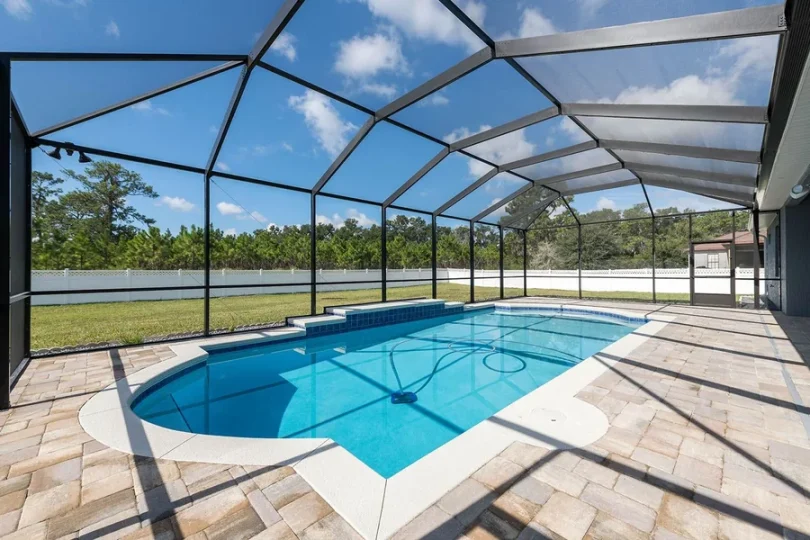

Starting a swimming pool installation project can be exciting, but it also involves more planning than many homeowners expect at first. A pool is not simply placed into a backyard and filled with water. It affects grading, drainage, access, permits, utilities, landscaping, and how the entire outdoor space will function afterward. Before construction begins, homeowners should understand that design choices influence long-term maintenance, safety, and daily use just as much as appearance does. A well-planned project usually begins with realistic expectations about budget, yard conditions, construction timelines, and how the pool will fit into the overall property rather than stand apart from it.
What Shapes the Project
-
Understanding the Yard Before Design Decisions
Before choosing finishes, water features, or deck materials, homeowners should first understand their backyard. The size and shape of the lot, local setback rules, existing patios, property lines, slope, and underground utilities all influence where a pool can go and what size or shape will make sense. A yard may appear large enough at first glance, but once space is allowed for decking, walking paths, fencing, and equipment access, the layout may need to be adjusted. Drainage is also a major concern because water should move away from the home and pool structure rather than collect near foundations or low points in the yard. Trees, root systems, and sun exposure can affect both construction and long-term upkeep. These factors matter because they shape more than the installation itself. They also affect comfort, maintenance demands, and the backyard’s usability once the project is complete. Homeowners who start with the property’s actual conditions usually make better design choices later in the process.
-
Knowing What the Construction Process Really Involves
Many homeowners picture the finished pool long before they think about how disruptive the construction phase may be. Pool installation often requires excavation equipment, material deliveries, utility marking, inspections, and repeated site access over a period of time rather than one quick visit. That can affect driveways, lawns, fences, and the normal use of the backyard during the project. Soil conditions may also change the pace of work if the crew encounters drainage issues, buried obstacles, or grading challenges that were not obvious at the start. Homeowners planning a swimming pool installation in the Minneapolis area often pay close attention to ground conditions, seasonal timing, and weather delays, as these factors can meaningfully affect scheduling and site preparation. It also helps to understand that the pool shell is only one part of the project. Plumbing lines, electrical work, decking, coping, equipment setup, and finish work all take time and coordination. Going into the project with a clear sense of this process helps reduce frustration and allows homeowners to plan realistically for temporary disruption.
-
Thinking Beyond the Pool Itself
A pool changes how the whole backyard works, so homeowners should think beyond the water when making early decisions. The project often includes surrounding deck space, entry points, lighting, drainage control, fencing, and equipment placement, all of which influence convenience and appearance. A pool may look attractive in a drawing, but if it leaves too little room for seating, walking, or outdoor dining, the space may feel crowded after construction is complete. Equipment location also matters more than people expect, since pumps and filters need both easy access and thoughtful placement to reduce noise concerns and preserve the yard’s appearance. Homeowners should also consider how the pool will connect to the house visually and practically. Where people enter the yard, where wet foot traffic will move, and where shade falls during the day, all affect how comfortable the finished area will be. When these details are considered early, the pool becomes part of a complete outdoor environment rather than a single feature added without enough thought for how the space will actually be used.
-
Budgeting for More Than Initial Installation
One of the most important things homeowners should know before starting a pool installation project is that the budget should cover more than just excavation and construction. Costs can extend into permits, inspections, fencing, decking, landscaping repairs, utility adjustments, and maintenance equipment needed after the pool is completed. In some cases, homeowners also need to account for drainage improvements or yard restoration once heavy equipment has left the site. This does not mean the project is not worthwhile, but it does mean financial planning should reflect the full scope rather than only the visible shell and waterline. Long-term care should also be part of the decision. Cleaning, chemical balancing, seasonal opening or closing, and equipment maintenance are all part of pool ownership. A homeowner who budgets only for the build may feel unprepared once the pool is operating. Thinking about the full cost from the beginning helps avoid rushed decisions later and supports a smoother experience from planning to completion to everyday use after the construction phase ends.
A Better Start Leads to a Better Backyard
Before starting a swimming pool installation project, homeowners should understand that success depends as much on planning as on construction. The yard’s layout, drainage, access, local rules, and long-term use all shape what kind of pool will work well on the property. It also helps to know that construction may affect the yard for a while and that the project includes far more than digging a hole and filling it. When homeowners consider budget, layout, maintenance, and outdoor use from the start, they are more likely to end up with a pool that feels practical and enjoyable. A strong plan makes the finished space easier to live with for years to come.