
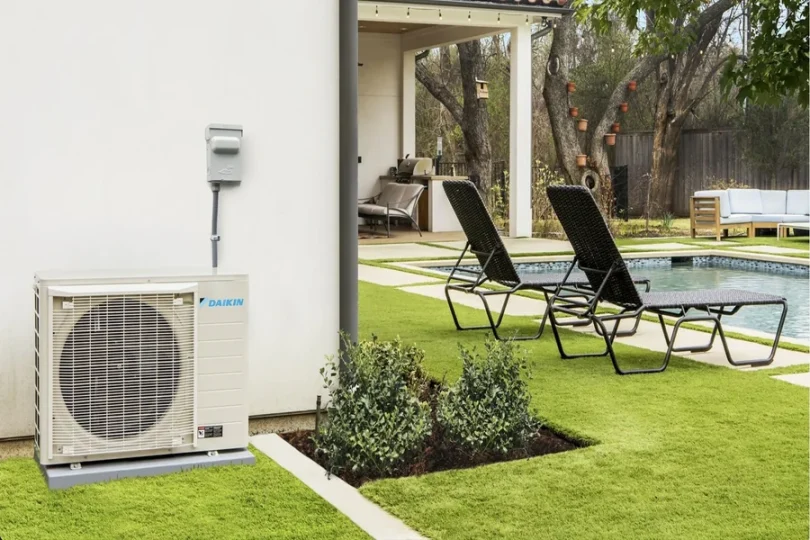

We will explore how ductless HVAC systems help reduce a household’s carbon emissions in a world increasingly focused on environmental stewardship and energy conservation. As awareness about climate change grows, homeowners are looking for ways to reduce their environmental impact without sacrificing comfort or convenience. Ductless heating and cooling systems, often referred to as mini‑splits, have gained popularity for their efficient performance and flexible installation. These systems operate without traditional ductwork and can provide zone‑specific temperature control, resulting in significant energy savings.
Lower energy consumption means fewer greenhouse gases produced by power plants, particularly in regions dependent on fossil fuels for electricity generation. By understanding how ductless HVAC technology works and why it reduces energy use, homeowners can make informed decisions that align with sustainability goals while enhancing indoor comfort. Companies like Integrity Heating & Air provide ductless HVAC solutions that help households achieve greater energy efficiency, supporting both environmental responsibility and comfortable living spaces.
The transition to ductless technology represents a significant leap in domestic sustainability by eliminating the inherent energy waste found in traditional ventilation shafts. Unlike central systems that lose significant thermal energy through leaky or uninsulated conduits, mini-splits deliver conditioned air directly into the living space. This precision ensures that homeowners requiring ac repair augusta or general maintenance can maintain peak performance without the ecological burden of a full-scale mechanical overhaul. By localizing climate control to specific zones, these systems drastically lower overall electricity demand. Such improvements in operational efficiency not only reduce monthly utility costs but also play a vital role in shrinking a household’s total carbon footprint over several years of use.
How Ductless HVAC Systems Lower Home Carbon Footprints
1. Elimination of Duct‑Related Energy Losses
Traditional forced‑air HVAC systems distribute conditioned air through a network of ducts. Even when ducts are well‑installed, they can lose a surprising amount of energy through leaks and poor insulation. Studies have shown that duct systems can lose between 20% and 30% of heating or cooling energy due to leaks, poorly sealed joints, and transfers to unconditioned spaces such as attics or crawlspaces. When warm or cool air escapes before reaching living areas, the system must work harder and consume more energy to maintain desired indoor temperatures. Ductless HVAC systems bypass this inefficiency entirely by delivering air directly into each room through wall‑mounted indoor units.
Transitioning to a ductless system significantly reduces a home’s carbon footprint by eliminating the energy losses typically associated with leaky or poorly insulated ductwork. This efficiency is particularly advantageous in humid climates like Merritt Island, FL, where traditional systems often work harder to maintain consistent comfort levels. By utilizing advanced inverter technology, these units adjust their power consumption to meet the precise cooling needs of each individual zone. This targeted approach not only lowers monthly utility bills but also decreases the overall demand on the local electrical grid, supporting a more sustainable and environmentally conscious lifestyle for residents seeking long-term energy solutions.
By eliminating ducts, homeowners can drastically reduce the energy wasted in air distribution. Reduced energy consumption directly translates to a lower carbon footprint, especially in homes connected to electric grids that rely on carbon‑producing generation sources. Additionally, eliminating ducts often means a simpler installation process, which reduces the material waste and construction energy typically associated with retrofitting or modifying existing ductwork. In essence, ductless HVAC systems improve delivery efficiency, conserve energy, and reduce unnecessary fossil fuel use that contributes to greenhouse gas production.
Adopting ductless technology is a significant step toward a more sustainable lifestyle, as these systems provide precise temperature control without the energy loss associated with traditional ductwork. While the environmental benefits are clear, homeowners must also consider the longevity of their equipment through consistent seasonal maintenance. Often, minor efficiency drops go unnoticed until a more significant ac repair is needed to restore the system to its optimal performance levels. By addressing small mechanical issues early, you not only extend the lifespan of the unit but also ensure that your home continues to operate with the lowest possible carbon footprint. This holistic approach to climate control balances modern comfort with long-term ecological responsibility.
2. High Efficiency Through Zoning Capabilities
One of the most impactful features of ductless HVAC systems is the ability to independently control temperature in different areas, or zones, of a home. Rather than heating or cooling the entire house at one standard setting, ducts are replaced by multiple indoor units connected to a single outdoor compressor. Each indoor unit can be operated independently, allowing occupants to condition only the spaces they are using. For many households, this translates into substantial energy savings. For example, bedrooms may require less cooling during the day, while living areas need heating in the evening. With zoned control, families can adjust temperatures to match actual usage patterns, minimizing wasted energy.
Traditional systems often condition the whole home uniformly, regardless of occupancy, leading to inefficiencies and higher overall energy consumption. By reducing the amount of energy needed to maintain comfortable conditions throughout the house, ductless HVAC systems help lower the total electricity drawn from the grid. Since electricity generation is a major contributor to carbon emissions, especially in areas dependent on coal, oil, or natural gas, less energy usage means fewer emissions. In densely populated or rapidly growing areas, widespread adoption of zoned ductless systems could collectively offset millions of pounds of carbon dioxide annually.
3. Greater Performance at Lower Energy Inputs
The technology behind ductless HVAC systems – typically inverter‑driven compressors and advanced refrigerants – allows them to operate at very high efficiency levels across a wide range of temperatures. Inverter technology enables the compressor to modulate its speed based on real‑time demand rather than cycling on and off at full blast like traditional systems. This continuous, adaptive operation avoids energy surges associated with frequent start-up cycles, making the system more efficient overall. As a result, ductless systems often achieve high Seasonal Energy Efficiency Ratio (SEER) and Heating Seasonal Performance Factor (HSPF) ratings. Higher efficiency ratings mean that for each unit of energy consumed, more heating or cooling is delivered to the home. In practical terms, this reduces the total energy needed for year‑round comfort.
Lower energy usage means lower electricity bills for homeowners and, importantly, lower demand on power plants. Since electricity generation remains a significant source of carbon emissions in many regions, systems that reduce overall energy draw play a meaningful role in decreasing a household’s environmental impact. These performance advantages are magnified in climates with large temperature swings, where traditional systems struggle to maintain efficiency under heavy loads. Ductless HVAC supports sustained efficiency, reducing energy consumption and corresponding emissions more effectively than many conventional alternatives.
Ductless HVAC systems reduce a home’s carbon footprint by eliminating duct losses, enabling zoned energy savings, achieving high operational efficiency, reducing reliance on fossil fuels, and enhancing compatibility with renewable energy sources. Through thoughtful application of modern HVAC technology, homeowners can make meaningful contributions to environmental sustainability while maintaining comfortable living spaces.
Ductless HVAC systems represent a meaningful step toward greener residential living by significantly reducing energy waste and supporting cleaner modes of operation. Throughout the world, individuals and communities are striving to reduce their carbon footprints, and energy consumption at home plays a central role in these efforts. By leveraging efficient heating and cooling technology that minimizes waste and complements the growth of renewable electricity, homeowners can lower their environmental impact without sacrificing comfort.
In an era when climate change poses urgent challenges, the choices we make about how we heat and cool our homes ripple beyond individual households, affecting broader energy systems, air quality, and global emissions trends. As renewable energy infrastructure continues to expand and electricity grids incorporate more low‑carbon generation, ductless heating and cooling systems will play an increasingly important role in sustainable living. For homeowners seeking to align daily life with long‑term environmental goals, understanding and adopting energy‑efficient HVAC solutions, such as ductless systems, offers both practical benefits and a tangible way to contribute to a healthier planet.