
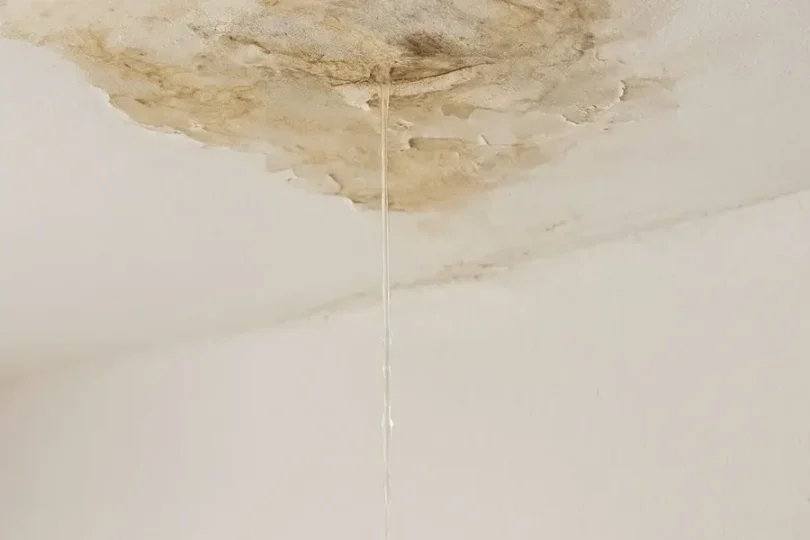

Roof moisture intrusion is a complex process influenced by environmental conditions, material performance, and structural design. While it may appear as a simple leak or damp spot, the underlying mechanisms involve the movement of water in different forms, including liquid, vapor, and condensation. Roof systems are constantly exposed to changing temperatures, wind pressures, and precipitation, all of which contribute to how moisture behaves over time. Understanding the science behind these interactions helps explain why even well-constructed roofs can develop issues. By examining how water enters, moves, and accumulates within roofing systems, it becomes easier to identify causes and improve long-term durability.
How Moisture Moves Through Roof Systems
Water Penetration Through Surface Openings
One of the primary ways moisture enters a roof system is through direct penetration caused by openings or vulnerabilities in the surface. These openings can result from aging materials, improper installation, or damage caused by weather conditions such as wind-driven rain. When water is forced against the roof surface, it can travel through even the smallest gaps, following the path of least resistance. Over time, repeated exposure allows moisture to bypass protective layers and reach underlying components. In some cases, property owners rely on services like Bealing Roofing in Hanover PA to identify these entry points and address the factors contributing to infiltration. The science behind this process involves pressure differences and surface tension, which enable water to move in unexpected ways, often traveling further than the initial point of entry before becoming visible.
Vapor Diffusion and Hidden Moisture Movement
Moisture intrusion is not always the result of visible leaks; it can also occur through vapor diffusion, a process where water vapor moves through materials due to differences in temperature and humidity. Warm, humid air tends to move toward cooler areas, carrying moisture that can condense when it encounters lower temperatures within the roof structure. This type of intrusion is often hidden, as it does not involve direct water entry but still leads to accumulation within insulation and other materials. Over time, this trapped moisture can weaken structural components and reduce the effectiveness of insulation. Understanding vapor diffusion is essential for addressing moisture issues that are not immediately apparent, as it highlights the importance of controlling indoor humidity and maintaining proper ventilation within the building.
The Role of Temperature and Condensation
Temperature variations play a significant role in how moisture behaves within a roof system. When warm air rises and comes into contact with cooler surfaces, condensation can form, creating moisture even in the absence of external leaks. This process is influenced by factors such as seasonal changes, insulation quality, and airflow within the building. During colder months, the difference between indoor and outdoor temperatures becomes more pronounced, increasing the likelihood of condensation forming within the roof structure. This moisture can accumulate over time, leading to issues such as mold growth, material degradation, and reduced structural integrity. By understanding how temperature differences drive condensation, it becomes possible to design roofing systems that minimize these effects and maintain a stable internal environment.
Understanding the mechanics of moisture migration is essential for preserving the structural integrity of any building, especially when dealing with the complexities of vapor pressure and thermal bridging. While internal humidity often goes unnoticed, its cumulative effect on decking and support beams can lead to costly degradation if left unaddressed. Professional assessments from experts like Joliet Roofing often highlight how subtle leaks can bypass standard insulation layers, creating pockets of stagnant, damp air. By addressing these vulnerabilities through improved ventilation and high-performance membranes, homeowners can mitigate the risk of mold growth and wood rot. This proactive maintenance ensures that the protective barrier of the home remains resilient against even the most persistent environmental challenges.
Material Absorption and Capillary Action
Roofing materials themselves can contribute to moisture intrusion through absorption and capillary action. Certain materials have the ability to absorb water, allowing moisture to spread internally even after the initial source of water has been removed. Capillary action enables water to move through small pores and gaps within materials, often traveling upward or sideways against gravity. This phenomenon explains why moisture can appear in areas far from the original point of entry. Over time, repeated exposure to moisture can weaken materials, reducing their ability to resist further intrusion. Understanding these material properties is essential for selecting roofing components that can withstand environmental conditions and limit the spread of moisture within the system.
Structural Design and Drainage Efficiency
The design of a roof plays a critical role in how effectively it manages water and prevents intrusion. Proper drainage ensures that water is directed away from the roof surface, reducing the likelihood of accumulation and penetration. Sloped roofs, drainage systems, and flashing details are all designed to guide water toward designated exit points. However, if these elements are not properly designed or maintained, water can pool or flow in unintended directions, increasing the risk of intrusion. Structural features such as joints, seams, and transitions between materials are particularly vulnerable, as they create potential pathways for water entry. By focusing on design elements that promote efficient drainage, roofing systems can better resist the forces that contribute to moisture intrusion.
Roof moisture intrusion is the result of multiple interacting factors, including water penetration, vapor diffusion, condensation, material properties, and structural design. Each of these elements contributes to how moisture enters and moves within a roofing system, often in ways that are not immediately visible. Understanding the science behind these processes provides valuable insight into why moisture problems occur and how they can be addressed. By considering environmental conditions, material performance, and design principles, it becomes possible to create roofing systems that are more resistant to moisture-related issues. This knowledge supports better maintenance practices and helps extend the lifespan of roofs while preserving the integrity of the structures they protect.