
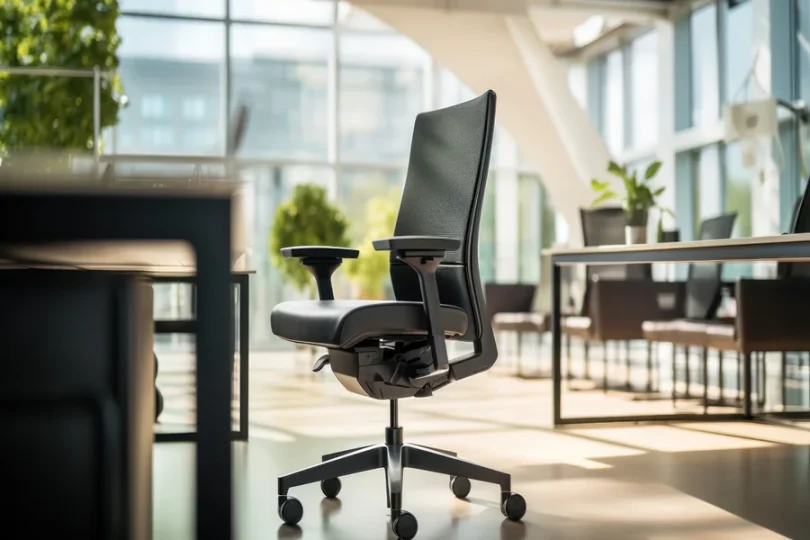

The role of office chairs in modern work environments extends far beyond simple seating. Employees spend long hours sitting, making the chair a central factor in comfort, posture, and overall productivity. While often overlooked, the design and functionality of a chair can influence physical well-being and mental focus throughout the workday. Poor seating can lead to discomfort, fatigue, and decreased efficiency, while a well-designed chair supports natural body alignment and sustained concentration. Understanding how office chairs affect daily performance highlights the importance of thoughtful selection and proper usage in any professional setting.
Seating Comfort and Work Efficiency
-
Posture Support and Spinal Alignment
Office chairs play a significant role in maintaining proper posture, which directly affects how the body handles prolonged sitting. A chair that supports the natural curve of the spine helps distribute weight evenly, reducing strain on the back and shoulders. Without adequate support, individuals may slouch or lean forward, leading to discomfort and long-term physical issues. Proper alignment allows muscles to remain relaxed, enabling employees to focus on their tasks without constant adjustments. Businesses that invest in ergonomic office chairs for work often notice improved posture and fewer complaints about back discomfort. Supporting spinal alignment is essential for maintaining both comfort and productivity over extended periods.
-
Impact on Circulation and Physical Comfort
The design of an office chair can influence blood circulation, particularly in the lower body. Chairs that provide adequate seat depth and cushioning help reduce pressure on the thighs, allowing for better blood flow. Poorly designed seating can restrict circulation, leading to numbness or fatigue that disrupts concentration. Armrests and adjustable features also contribute to physical comfort by supporting natural positioning and reducing upper-body strain. When circulation is not restricted, employees are less likely to experience discomfort that interrupts their workflow. Maintaining physical comfort through proper seating supports sustained energy and focus throughout the day.
-
Adjustability and Personalized Support
One of the most important aspects of office chairs is their adjustability to fit individual needs. Features such as seat height, backrest angle, and lumbar support allow users to customize their seating position. This adaptability ensures that the chair accommodates different body types and work preferences, promoting a more comfortable experience. Without adjustability, employees may struggle to find a suitable position, leading to discomfort and reduced efficiency. Personalized support helps create a stable, consistent seating environment, allowing individuals to maintain focus without frequent interruptions from discomfort or poor positioning.
-
Influence on Mental Focus and Productivity
Comfortable seating improves mental focus by reducing physical distractions. When employees are not preoccupied with discomfort, they can direct their attention toward their tasks more effectively. A stable and supportive chair allows for longer periods of concentration, enhancing overall productivity. In contrast, uncomfortable seating can lead to frequent breaks, reduced engagement, and decreased work output. The connection between physical comfort and mental performance highlights the importance of selecting chairs that support both aspects simultaneously. By providing a comfortable seating environment, organizations can foster better focus and more consistent productivity.
-
Long-Term Health Considerations
The effects of office chairs extend beyond immediate comfort, influencing long-term health outcomes. Prolonged use of poorly designed chairs can contribute to chronic issues such as back pain, neck strain, and joint discomfort. Over time, these conditions may affect overall well-being and work performance. Investing in chairs that promote proper posture and support can help reduce the risk of these issues. Regular adjustments and mindful seating habits also play a role in maintaining health. By prioritizing long-term comfort and support, employees can avoid complications that may arise from prolonged sitting.
Workplace Environment and Employee Satisfaction
The quality of office furniture, including chairs, can impact how employees perceive their work environment. Comfortable and well-designed seating reflects an organization’s commitment to employee well-being. This attention to detail can contribute to higher levels of satisfaction and motivation. Employees are more likely to feel valued when their workspace is designed with their comfort in mind. A positive environment encourages engagement and fosters a sense of responsibility toward work. By providing appropriate seating, organizations can create a supportive atmosphere that enhances both morale and performance.
Office chairs are a fundamental element of the work environment, influencing comfort, posture, and productivity in meaningful ways. From supporting spinal alignment to improving circulation and mental focus, a chair’s design plays a crucial role in daily performance. Adjustable features and thoughtful construction provide personalized support, helping employees maintain comfort during long work hours. Over time, proper seating can also contribute to better health and increased job satisfaction. Recognizing the importance of office chairs encourages organizations to invest in solutions that support both employee well-being and overall workplace efficiency.