

Beverage manufacturers across the United States face mounting pressure to reduce operational costs while maintaining product protection standards. Transportation expenses continue to climb, warehouse space commands premium rates, and consumer expectations for product integrity remain unwavering. Within this challenging environment, packaging decisions directly impact profitability in ways that extend far beyond initial material costs.
The concept of right-sizing corrugated packaging has emerged as a critical operational strategy for beverage companies seeking to optimize their supply chain efficiency. When packaging dimensions align precisely with product requirements, companies eliminate wasted space during shipping, reduce material consumption, and minimize handling complexity throughout their distribution network. These improvements compound across thousands of shipments, creating substantial cost reductions that directly strengthen bottom-line performance.
Understanding how to implement effective right-sizing strategies requires examining the relationship between package design, product protection, and supply chain optimization. The decisions made during the packaging specification process influence every subsequent operation, from warehouse storage density to final delivery costs.
Understanding Package Dimensional Analysis for Beverage Products
Dimensional analysis forms the foundation of effective packaging optimization for beverage manufacturers. This process involves calculating the precise space requirements for products while accounting for protection needs, stacking capabilities, and handling considerations. The Custom Corrugated Packaging For Food And Beverage Industry overview demonstrates how proper dimensional planning directly correlates with cost reduction outcomes across multiple operational areas.
Beverage products present unique dimensional challenges compared to other packaged goods. Liquid containers require specific orientation during transport to prevent damage, while their weight distribution affects how packages can be stacked and handled. Glass bottles demand additional cushioning space, while aluminum cans allow for tighter packaging configurations. These product-specific requirements must be balanced against the goal of minimizing overall package volume.
The analysis process begins with measuring actual product dimensions and calculating the minimum internal space required for safe transport. This measurement includes accounting for any protective materials, such as dividers or cushioning, that prevent product-to-product contact during shipping. The external dimensions are then optimized to fit standard shipping configurations while minimizing excess space.
Product Protection Requirements Within Optimized Dimensions
Achieving smaller package dimensions without compromising product protection requires understanding how corrugated materials perform under various stress conditions. Beverage products generate significant internal pressure during transport, particularly when temperature changes cause expansion in liquid containers. The packaging must accommodate these forces while maintaining structural integrity throughout the distribution process.
Edge crush strength becomes particularly important when reducing package dimensions, as smaller packages often require higher stacking capabilities to maintain warehouse efficiency. The relationship between package size and structural performance must be carefully balanced to ensure that dimensional optimization does not create product damage risks that ultimately increase total costs.
Shipping Configuration Integration
Right-sized packages must integrate effectively with standard shipping configurations to maximize their cost-reduction potential. This integration involves designing package dimensions that optimize pallet utilization, truck loading efficiency, and warehouse storage density. When packages fit precisely within these standard configurations, companies achieve maximum space utilization without compromising handling efficiency.
The most effective dimensional specifications consider how packages will be arranged during each stage of the distribution process. Pallet configurations that maximize cube utilization while maintaining stability reduce the number of shipments required to move equivalent product volumes. This reduction in shipment frequency directly translates to lower transportation costs and improved delivery efficiency.
Material Optimization Strategies for Cost Reduction
Material selection and specification optimization represent significant opportunities for cost reduction in custom corrugated packaging for food and beverage industry applications. The corrugated board structure, flute configuration, and paper weights can be precisely calibrated to provide necessary protection while eliminating excess material usage. These specifications directly impact both material costs and shipping expenses, as lighter packages reduce freight charges across all transportation modes.
Advanced corrugated structures allow manufacturers to achieve superior protection characteristics while using less total material. Single-wall constructions may provide adequate protection for certain beverage products, while others require double-wall configurations for enhanced crush resistance. The key lies in matching material specifications precisely to the actual protection requirements rather than over-engineering packages based on theoretical worst-case scenarios.
Testing protocols help validate material optimization decisions by subjecting packages to real-world stress conditions. These tests simulate the handling, stacking, and transportation stresses that packages encounter throughout the distribution process, ensuring that material reductions do not compromise product protection reliability.
Structural Design Efficiency
Efficient structural design minimizes material usage while maintaining necessary strength characteristics. This approach involves optimizing fold patterns, closure methods, and reinforcement placement to achieve maximum structural performance with minimum material investment. Corner construction, in particular, offers opportunities for material reduction when designed to distribute stress effectively across the package structure.
The integration of structural elements such as internal dividers and cushioning systems affects overall material efficiency. When these components are designed as integral parts of the package structure rather than separate additions, manufacturers can achieve protection goals with reduced total material consumption.
Supply Chain Integration Benefits
Material optimization strategies that consider supply chain integration create additional cost reduction opportunities beyond direct material savings. Packages designed to work efficiently with automated handling equipment reduce labor costs and processing time throughout the distribution network. This compatibility becomes increasingly important as beverage companies implement advanced warehouse automation systems.
Standardized material specifications across product lines enable purchasing efficiencies and inventory simplification. When multiple beverage products can utilize similar corrugated specifications with minor dimensional adjustments, companies achieve economies of scale in material procurement while reducing inventory complexity.
Transportation Cost Impact Through Package Optimization
Transportation represents one of the largest cost components in beverage distribution, making package optimization a critical factor in overall profitability. Optimized packaging reduces transportation costs through multiple mechanisms, including improved space utilization, reduced package weight, and enhanced loading efficiency. According to the U.S. Department of Transportation, freight costs continue to represent a significant expense for beverage manufacturers, making packaging optimization an essential strategy for cost control.
Dimensional weight pricing policies used by most carriers mean that package optimization directly affects shipping costs regardless of actual product weight. When packages are right-sized to eliminate excess space, companies pay transportation charges based on actual product requirements rather than inefficient packaging decisions. This optimization becomes particularly valuable for lightweight beverage products where dimensional weight often exceeds actual weight for pricing purposes.
The cumulative effect of transportation savings across thousands of shipments creates substantial cost reductions that directly impact profitability. Companies implementing comprehensive package optimization programs typically see transportation cost reductions that exceed initial material savings, making this a high-impact area for operational improvement.
Loading Efficiency Improvements
Optimized packages improve loading efficiency by fitting more effectively within standard truck and container configurations. This improved fit reduces the number of shipments required to move equivalent product volumes while maximizing the utilization of available transportation capacity. Enhanced loading efficiency also reduces handling time and labor costs at shipping facilities.
The standardization of optimized package dimensions across product lines creates additional loading efficiencies by allowing mixed-product shipments to utilize space more effectively. When packages from different product lines share compatible dimensions, companies can optimize truck loading across their entire product portfolio rather than managing each product separately.
Freight Class Optimization
Package optimization can influence freight class assignments, which determine transportation rates for less-than-truckload shipments. Improved package density and reduced dimensional factors may qualify products for more favorable freight classifications, resulting in lower per-shipment transportation costs. These classification improvements compound over time, creating ongoing cost advantages for optimized packaging solutions.
Warehouse and Distribution Efficiency Gains
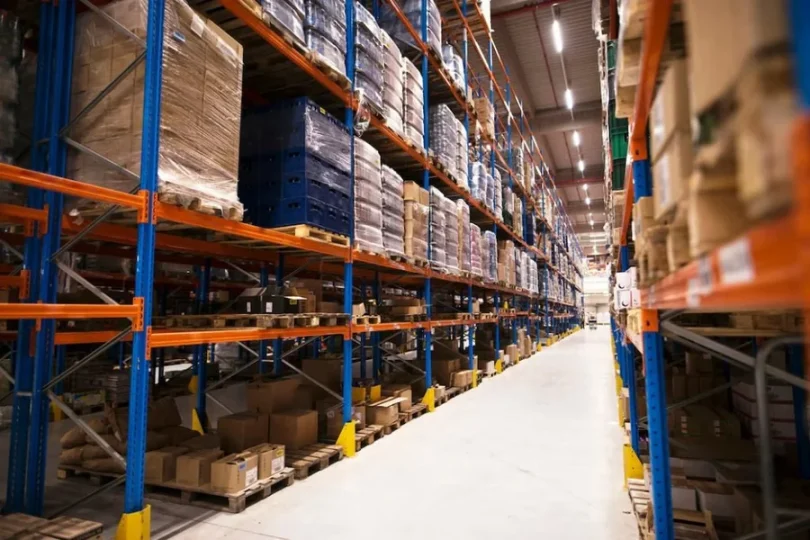
Warehouse operations benefit significantly from right-sized corrugated packaging through improved storage density, enhanced handling efficiency, and reduced facility space requirements. When packages are optimized to fit standard warehouse configurations, companies achieve higher storage density without compromising accessibility or handling safety. This improved density reduces the warehouse space required for equivalent inventory levels, directly reducing facility costs.
Handling efficiency improvements result from packages that integrate effectively with warehouse equipment and procedures. Right-sized packages typically handle more consistently through automated systems, reducing processing time and minimizing handling errors that can lead to product damage or shipping delays. These operational improvements translate directly to reduced labor costs and improved order fulfillment reliability.
The impact of packaging optimization extends throughout the distribution network, affecting regional distribution centers, retail delivery operations, and final customer handling. When packages are designed to work efficiently across all these touchpoints, companies achieve system-wide efficiency improvements that compound to create substantial cost reductions.
Inventory Management Benefits
Optimized packaging simplifies inventory management by reducing the variety of packaging materials required while improving storage predictability. Standardized dimensions across product lines enable more accurate space planning and inventory forecasting, reducing the complexity of warehouse management operations.
Improved package durability resulting from proper optimization reduces product damage during storage, minimizing inventory losses and reducing the need for safety stock to compensate for damage-related shortfalls. This reduction in safety stock requirements frees up working capital while reducing storage space requirements.
Order Fulfillment Efficiency
Right-sized packages improve order fulfillment efficiency by reducing picking time, minimizing handling errors, and streamlining packing operations. When packages fit consistently within standard processing equipment, order fulfillment operations become more predictable and efficient, reducing labor costs and improving delivery reliability.
The integration of optimized packaging with automated fulfillment systems creates additional efficiency gains as packages move more consistently through sorting, packing, and shipping operations. This consistency reduces equipment downtime and minimizes the manual intervention required to handle non-standard packages.
Implementation Strategy for Packaging Optimization
Successful implementation of packaging optimization requires a systematic approach that addresses design, testing, and supply chain integration simultaneously. The implementation process begins with comprehensive analysis of current packaging performance, including cost breakdowns, damage rates, and operational efficiency metrics. This baseline analysis provides the foundation for measuring improvement outcomes and justifying optimization investments.
Cross-functional collaboration between packaging engineers, supply chain managers, and operations teams ensures that optimization efforts address real operational priorities rather than theoretical improvements. This collaboration helps identify the specific areas where custom corrugated packaging for food and beverage industry applications can deliver the most significant cost reductions while maintaining operational reliability.
Testing and validation protocols verify that optimized packages perform reliably under actual operating conditions before full-scale implementation. These protocols should simulate real-world stresses including handling, stacking, transportation, and storage conditions to ensure that optimization efforts do not create unexpected operational problems.
Pilot Program Development
Pilot programs allow companies to validate optimization concepts with limited risk while gathering performance data to support broader implementation decisions. Effective pilot programs focus on specific product lines or distribution routes where optimization benefits can be clearly measured and documented. This focused approach provides concrete evidence of optimization value while identifying any implementation challenges that need to be addressed.
The pilot program should include comprehensive cost tracking to document all areas of improvement, including material costs, transportation expenses, warehouse efficiency gains, and damage reduction benefits. This comprehensive tracking provides the data needed to justify broader optimization investments and guides the expansion of successful optimization strategies.
Scale-Up Considerations
Scaling successful optimization strategies across broader product portfolios requires careful attention to supply chain integration and operational consistency. The systems and procedures that support optimized packaging must be capable of handling increased volumes without creating operational bottlenecks or quality issues.
Training programs ensure that warehouse, transportation, and customer service teams understand how to work effectively with optimized packages. This training reduces the risk of handling errors or operational disruptions during the transition to optimized packaging solutions.
Measuring and Sustaining Optimization Results
Effective measurement systems track optimization results across all affected operational areas, providing comprehensive visibility into the total impact of packaging improvements. These measurement systems should capture direct cost savings, operational efficiency improvements, and customer satisfaction metrics to provide a complete picture of optimization value. Regular monitoring ensures that optimization benefits are sustained over time and helps identify opportunities for additional improvements.
Key performance indicators for packaging optimization typically include material cost reduction, transportation cost savings, warehouse efficiency metrics, and product damage rates. These indicators should be tracked consistently to identify trends and ensure that optimization benefits are maintained as operational conditions change.
Continuous improvement processes help companies identify additional optimization opportunities as their operations evolve and market conditions change. The custom corrugated packaging for food and beverage industry continues to advance, providing new opportunities for companies that maintain active optimization programs.
Long-Term Cost Tracking
Long-term cost tracking reveals the cumulative impact of packaging optimization decisions and helps justify continued investment in optimization programs. This tracking should account for all cost factors affected by packaging decisions, including direct material costs, transportation expenses, warehouse operations, and customer service impacts.
Regular cost analysis helps identify areas where optimization strategies may need adjustment as operational conditions change. Market factors such as transportation rate changes, material cost fluctuations, and customer requirement evolution can affect the optimal balance of packaging characteristics.
Adaptation and Evolution
Successful optimization programs evolve continuously to address changing operational requirements and market conditions. This evolution requires maintaining close relationships with packaging suppliers, staying current with material technology advances, and monitoring changes in distribution network requirements.
Regular review cycles ensure that packaging specifications remain optimized as product lines evolve and distribution strategies change. These reviews provide opportunities to incorporate new optimization techniques and respond to changing customer requirements while maintaining cost efficiency.
Conclusion
Right-sizing corrugated packaging represents a fundamental strategy for beverage manufacturers seeking to reduce operational costs while maintaining product protection standards. The systematic approach to package optimization addresses multiple cost factors simultaneously, creating compound savings that significantly exceed initial material cost reductions. Transportation efficiency, warehouse optimization, and supply chain integration benefits combine to deliver substantial cost improvements that directly strengthen profitability.
The implementation of effective optimization strategies requires comprehensive analysis, cross-functional collaboration, and systematic measurement to ensure sustained results. Companies that commit to ongoing optimization efforts position themselves to achieve continuing cost advantages while adapting to evolving market conditions and operational requirements.
As competitive pressure continues to intensify in the beverage industry, packaging optimization provides a reliable mechanism for reducing costs without compromising product quality or customer satisfaction. The companies that master these optimization strategies will maintain significant competitive advantages through improved operational efficiency and reduced total cost of ownership across their distribution networks.