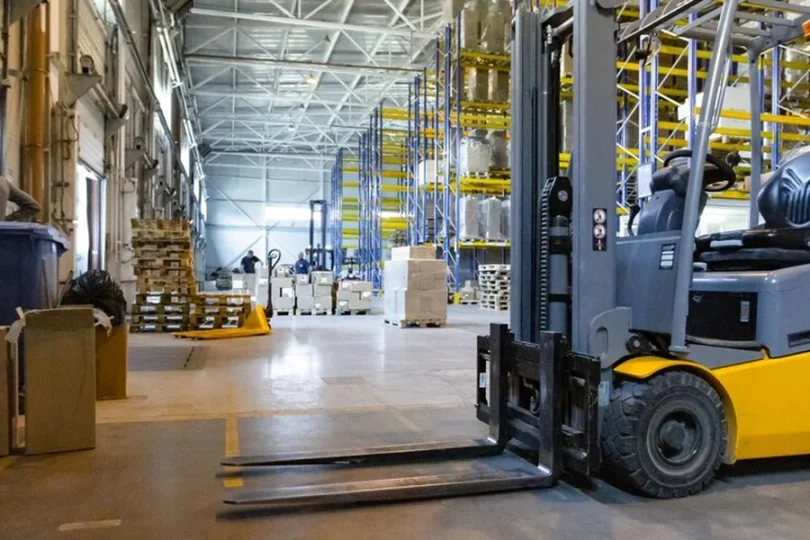

In warehouse and manufacturing operations, forklift reliability directly affects productivity targets and operational costs. When cooling systems fail without warning, the resulting downtime can cascade through entire shifts, affecting throughput, delivery schedules, and labor efficiency. Understanding the early indicators of radiator deterioration allows maintenance teams to schedule repairs during planned downtime rather than responding to emergency failures that can halt operations for hours or days.
The financial impact of unexpected forklift failures extends beyond immediate repair costs. A single equipment failure during peak operational periods can result in delayed shipments, overtime labor costs, and the need to rent replacement equipment. For facilities operating with lean equipment inventories, one failed forklift can create bottlenecks that affect multiple departments and customer commitments.
Understanding How Radiator Failures Develop in Material Handling Equipment
Cooling system failures in forklifts typically develop gradually through a combination of operational stress, environmental factors, and maintenance gaps. The forklift radiator operates under demanding conditions, managing heat generated by engines working at varying loads throughout extended shifts. Unlike automotive applications where vehicles experience regular cool-down periods, industrial forklifts often run continuously for eight to twelve hours, placing sustained thermal stress on cooling components.
The enclosed operating environments common in warehouses and manufacturing facilities contribute to accelerated wear patterns. Dust, debris, and airborne particles accumulate on radiator fins and block airflow passages, reducing cooling efficiency and forcing the system to work harder to maintain proper operating temperatures. Over time, this increased workload leads to component fatigue and eventual failure.
How Environmental Contamination Affects Cooling System Performance
Industrial environments expose forklift cooling systems to contaminants that rarely affect other types of equipment. Cardboard dust from packaging operations, metal shavings from manufacturing processes, and fabric fibers from textile facilities can clog radiator cores and restrict coolant flow. These contaminants create localized hot spots within the cooling system, leading to uneven thermal expansion and internal component damage.
Chemical exposure in certain facilities can accelerate corrosion processes within the cooling system. Facilities handling cleaning products, agricultural chemicals, or industrial solvents may expose forklift radiators to corrosive vapors that degrade metal components faster than normal wear patterns would suggest. This chemical degradation often occurs without visible external signs until internal damage becomes severe enough to cause system failure.
The Role of Operational Intensity in Component Degradation
High-intensity operations place additional strain on forklift cooling systems through frequent load cycling and extended operating periods. Facilities with rapid inventory turnover, such as distribution centers and shipping terminals, often run forklifts at maximum capacity for extended periods. This operational pattern generates more heat than typical usage and requires cooling systems to operate at peak efficiency consistently.
The combination of heavy loads and tight scheduling often results in delayed maintenance activities. When maintenance windows are limited, cooling system inspections may be abbreviated or postponed, allowing minor issues to develop into major failures. This pattern creates a cycle where operational demands prevent the maintenance activities necessary to sustain reliable equipment performance.
Early Warning Signs That Indicate Impending System Failure
Recognizing the initial symptoms of cooling system deterioration allows maintenance teams to address problems before they result in equipment failure. These warning signs typically appear weeks or months before complete system breakdown, providing opportunities for planned maintenance activities that minimize operational disruption.
Temperature-Related Performance Changes
Engine operating temperature fluctuations often represent the first indication of cooling system problems. When radiators begin losing efficiency, engines may run slightly hotter than normal during peak load conditions, then cool more slowly during idle periods. These temperature variations may be subtle initially but tend to become more pronounced as system degradation continues.
Operators may notice that engines take longer to reach normal operating temperature during startup, or conversely, that temperatures rise more quickly under load than previously observed. These changes in thermal behavior indicate that the cooling system can no longer maintain consistent heat transfer rates, suggesting internal component degradation or coolant circulation problems.
Visible Signs of Coolant System Stress
Physical evidence of cooling system problems often appears around radiator connections, hose fittings, and overflow reservoirs. Small amounts of coolant residue around these areas may indicate seal deterioration or pressure-related leaks that will worsen over time. While minor seepage may not immediately affect system performance, it signals that internal pressures are exceeding component design limits.
Discoloration of coolant visible in overflow tanks or during system inspections can indicate internal corrosion or contamination that affects heat transfer efficiency. According to the Occupational Safety and Health Administration, proper maintenance of industrial truck cooling systems is essential for safe operation. Coolant that appears rusty, oily, or contains visible particles suggests that internal components are deteriorating and releasing debris into the system.
Performance Degradation Under Load
Forklifts with developing cooling system problems may exhibit reduced performance during demanding operations. Engines may lose power when operating at maximum capacity, or automatic systems may limit engine output to prevent overheating. These protective measures indicate that the cooling system cannot adequately support full engine performance, suggesting significant internal degradation.
Operators may report that equipment feels sluggish during heavy lifting operations or that hydraulic response becomes slower during extended work periods. These performance changes often correlate with elevated engine temperatures that affect overall system efficiency, even when temperature gauges may not yet indicate overheating conditions.
Calculating the True Cost of Unplanned Equipment Downtime
The financial impact of unexpected forklift failures extends far beyond immediate repair expenses. Understanding these broader costs helps justify proactive maintenance investments and supports decisions about equipment replacement timing.
Direct Operational Losses During Equipment Failure
When a forklift becomes unavailable due to cooling system failure, the immediate impact includes lost productivity from the affected equipment and potential cascading effects on other operations. In facilities where material handling equipment operates at or near capacity, losing one forklift can reduce overall throughput by more than the percentage that single unit represents.
Emergency repair costs typically exceed planned maintenance expenses due to premium parts pricing, overtime labor rates, and expedited shipping charges. Repair facilities often charge higher rates for emergency service calls, and parts suppliers may apply surcharges for rush orders. These additional costs can double or triple the expense of repairs compared to scheduled maintenance activities.
The need for temporary replacement equipment adds another layer of cost through rental fees, delivery charges, and operator training time. Rental forklifts may not match the specifications of owned equipment, potentially reducing operational efficiency even after a temporary replacement is secured.
Secondary Effects on Facility Operations
Equipment failures during critical operational periods can disrupt carefully planned workflows and create bottlenecks that affect multiple departments. When material handling capacity is reduced unexpectedly, facilities may need to reassign personnel, extend shift hours, or delay planned activities to maintain essential operations.
Customer-facing impacts from equipment-related delays can affect long-term business relationships and contract performance. Late shipments, incomplete orders, or extended lead times resulting from equipment failures may trigger contract penalties or damage customer satisfaction ratings that took years to develop.
Long-Term Implications for Equipment Management
Repeated emergency repairs can accelerate overall equipment depreciation and reduce resale values. Forklifts with documented failure histories may require more extensive inspections during routine maintenance, increasing ongoing service costs. Additionally, frequent breakdowns can affect operator confidence in equipment reliability, potentially leading to reduced productivity even when equipment is functioning properly.
Insurance and safety considerations may also influence costs when equipment failures result in workplace incidents or damage to products and facilities. Cooling system failures that lead to engine fires or create safety hazards can trigger regulatory investigations and increase insurance premiums for extended periods.
Developing Effective Prevention Strategies
Proactive maintenance programs can significantly reduce the likelihood of unexpected cooling system failures while extending overall equipment life. These programs require systematic approaches that address both routine maintenance activities and environmental factors that accelerate component wear.
Establishing Systematic Inspection Protocols
Regular cooling system inspections should include both visual assessments and functional testing to identify developing problems before they cause equipment failure. These inspections need to occur frequently enough to catch problems early but not so frequently that they disrupt normal operations unnecessarily.
Maintenance teams should document inspection findings consistently to identify patterns that may indicate systemic issues or environmental factors that accelerate wear. This documentation helps optimize maintenance intervals and identify facilities or applications that may require modified service approaches.
Addressing Environmental Factors
Facility modifications that reduce exposure to dust, debris, and chemical contaminants can extend cooling system life significantly. Simple measures like improved ventilation, equipment positioning, or protective enclosures may provide substantial benefits relative to their implementation costs.
Operator training programs that emphasize proper equipment use and early problem reporting can help identify developing issues before they cause system failures. Operators who understand how cooling systems work and what signs indicate problems can provide valuable early warning information to maintenance teams.
Making Informed Decisions About Repair Versus Replacement
When cooling system problems develop, facility managers must evaluate whether repair or replacement represents the most cost-effective approach. This decision involves analyzing not only immediate costs but also long-term reliability expectations and operational requirements.
Evaluating Repair Feasibility and Cost-Effectiveness
The age and overall condition of affected equipment influences whether repair investments make financial sense. Older forklifts with extensive operating hours may experience additional failures shortly after cooling system repairs, making replacement a more economical choice despite higher initial costs.
Parts availability and service support for older equipment models can also affect repair feasibility. When manufacturers discontinue support for specific models, finding replacement components may become difficult and expensive, making continued operation impractical regardless of equipment condition.
Timing Replacement Decisions Strategically
Facilities can often minimize disruption by timing equipment replacement during planned maintenance periods or operational lulls. This approach allows for orderly equipment transitions, operator training, and system integration without the pressure created by emergency situations.
Budget planning for equipment replacement should consider both the predictable depreciation of existing equipment and the operational improvements that newer models might provide. Modern forklifts often offer improved fuel efficiency, enhanced safety features, and reduced maintenance requirements that can offset their acquisition costs over time.
Conclusion
Forklift radiator failure represents a significant operational risk that extends beyond immediate repair costs to affect productivity, customer relationships, and long-term equipment management strategies. The seven critical warning signs discussed provide maintenance teams with early indicators that allow for proactive intervention before system failure occurs.
Understanding the true cost of unplanned downtime helps justify investments in preventive maintenance and supports informed decisions about repair versus replacement timing. Facilities that develop systematic approaches to cooling system maintenance can significantly reduce both direct repair costs and the broader operational disruptions that equipment failures create.
Effective equipment management requires balancing immediate operational needs with long-term reliability goals. By recognizing early warning signs, calculating comprehensive failure costs, and implementing appropriate prevention strategies, facilities can maintain reliable material handling operations while controlling maintenance expenses and minimizing unexpected downtime.