
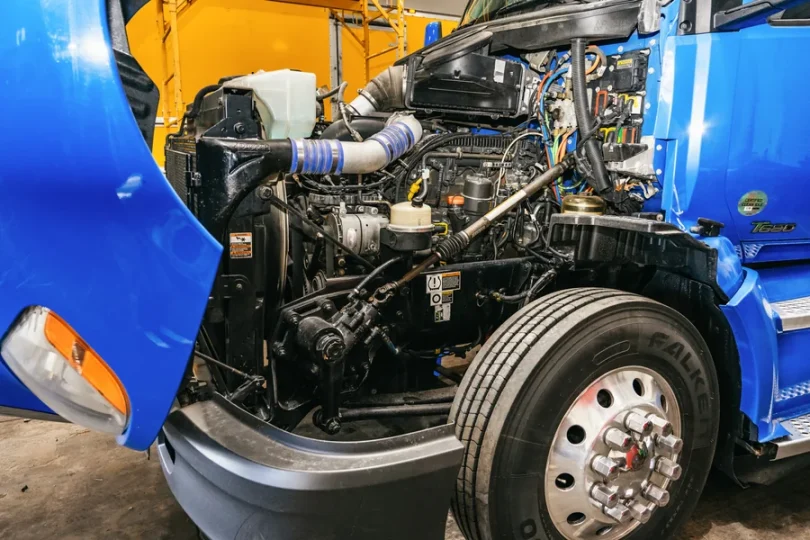

Fleet operators running Freightliner Cascadia trucks understand that cooling system reliability directly impacts operational uptime. When radiators begin showing signs of deterioration, the progression from minor issues to complete system failure often accelerates faster than many operators expect. The distinction between routine maintenance alerts and genuine failure indicators can mean the difference between planned repairs during scheduled downtime and emergency roadside breakdowns that cascade into broader operational disruptions.
Radiator problems in heavy-duty applications create compounding effects throughout the entire cooling circuit. What begins as reduced heat transfer efficiency evolves into increased engine operating temperatures, which then stress additional components including water pumps, thermostats, and engine block materials. Understanding these failure patterns helps operators distinguish between symptoms that suggest routine maintenance needs and those that indicate immediate intervention requirements.
Temperature Regulation Becomes Inconsistent Across Operating Conditions
The most reliable indicator of developing radiator problems appears in temperature regulation patterns that shift from consistent performance to variable responses under different load conditions. A properly functioning freightliner cascadia radiator maintains stable coolant temperatures regardless of external factors like ambient temperature, grade changes, or load variations. When this consistency begins to deteriorate, the underlying cause typically involves reduced heat transfer capacity within the radiator core.
This degradation manifests differently depending on operating circumstances. Highway driving at steady speeds might show normal temperature readings, while stop-and-go traffic or climbing grades trigger temperature spikes that previously caused no cooling system stress. The radiator’s ability to dissipate heat becomes compromised, creating situations where airflow changes dramatically affect cooling performance.
Load-Dependent Temperature Fluctuations
Heavy loads that previously caused minimal temperature increases begin triggering more significant cooling system responses. The radiator struggles to manage the additional heat generated during high-demand operations, leading to temperature creep that requires reduced engine loads or increased idle time to resolve. This pattern indicates that the radiator’s heat dissipation capacity has declined below the threshold needed for consistent performance under varying operational demands.
Environmental Sensitivity Increases
External temperature changes begin having disproportionate effects on cooling system performance. Hot weather conditions that previously caused minimal cooling challenges start creating situations where engine temperatures approach concerning levels. Similarly, reduced airflow situations like traffic congestion or construction zones trigger temperature increases that require immediate attention to prevent overheating scenarios.
Coolant Loss Patterns Indicate Internal Deterioration
Coolant consumption that exceeds normal operational levels often signals internal radiator deterioration that may not be immediately visible through external inspection. Unlike obvious leaks that create puddles or visible dripping, internal radiator problems can cause gradual coolant loss through microscopic failures in core materials or sealing surfaces.
This type of coolant loss typically appears as a steady decrease in coolant levels without corresponding external evidence of leakage. The coolant may be lost through internal combustion due to head gasket issues exacerbated by overheating, or through evaporation caused by small internal leaks that allow coolant to escape through the radiator’s air-side passages.
Unexplained Coolant Consumption
Regular coolant additions become necessary despite the absence of visible leaks around the radiator, hoses, or connections. This consumption pattern suggests internal radiator core deterioration that allows coolant to escape in ways that don’t create obvious external indicators. The gradual nature of this loss often delays recognition until the cumulative effect becomes significant enough to impact cooling performance.
Pressure Loss in the Cooling System
The cooling system’s ability to maintain proper pressure decreases as internal radiator seals deteriorate. This pressure loss reduces the system’s overall efficiency and allows coolant temperatures to rise more quickly under load conditions. Pressure testing reveals the system’s inability to maintain specified pressure levels, indicating internal radiator problems that compromise the entire cooling circuit’s performance.
Physical Deterioration Becomes Visible in Core Components
External examination of radiator conditions reveals physical changes that indicate advancing deterioration of internal cooling capacity. These visible indicators typically represent later stages of radiator decline, where internal problems have progressed to the point where external symptoms become apparent.
Corrosion patterns, fin deterioration, and core discoloration provide clear evidence of radiator problems that affect heat transfer efficiency. While these external signs may not immediately prevent vehicle operation, they indicate underlying conditions that will continue degrading cooling performance until system failure occurs.
Fin and Core Degradation
The radiator’s external fins show signs of corrosion, bending, or material deterioration that reduces airflow efficiency through the core. Damaged fins restrict the air movement necessary for proper heat dissipation, forcing the cooling system to work harder to maintain appropriate temperatures. This increased workload accelerates wear on other cooling system components and reduces overall system reliability.
Discoloration and Material Changes
Coolant passages within the radiator core develop discoloration or scaling that indicates chemical reactions between coolant additives and radiator materials. These changes suggest that the radiator’s internal surfaces have been compromised by corrosion or contamination, reducing heat transfer efficiency and potentially creating blockages that restrict coolant flow through the system.
Airflow Restrictions Develop Throughout the Core Assembly
Reduced airflow through the radiator core creates situations where cooling capacity becomes insufficient for normal operational demands. These restrictions develop through accumulation of debris, internal blockages, or physical damage to airflow passages within the radiator assembly.
Unlike external cleaning issues that can be resolved through routine maintenance, internal airflow restrictions require radiator replacement or professional rebuilding to restore proper function. The gradual nature of these restrictions often masks their impact until cooling capacity falls below critical thresholds needed for reliable operation.
Progressive Performance Decline
Cooling efficiency decreases gradually as internal restrictions reduce the radiator’s ability to transfer heat from coolant to ambient air. This decline typically becomes noticeable during high-demand operations before affecting normal driving conditions. The progressive nature of this deterioration makes it difficult to identify the exact point where radiator replacement becomes necessary.
Increased Fan Operation Requirements
Engine cooling fans operate more frequently and for longer periods to compensate for reduced radiator efficiency. This increased fan activity indicates that the radiator can no longer provide adequate cooling through passive airflow, requiring mechanical assistance to maintain proper temperatures. The additional fan operation increases fuel consumption and places extra load on electrical system components.
Heat Transfer Efficiency Drops Below Operational Requirements
The radiator’s fundamental purpose involves transferring heat from engine coolant to ambient air through the core assembly. When this heat transfer capacity falls below the engine’s operational requirements, cooling system performance becomes inadequate for maintaining safe operating temperatures under normal load conditions.
This efficiency loss typically results from accumulated internal deterioration that reduces the effective heat transfer surface area within the radiator core. The reduction may stem from corrosion, scaling, internal blockages, or physical damage to heat transfer surfaces that compromise the radiator’s ability to dissipate engine heat effectively.
Insufficient Cooling Under Normal Operations
Engine temperatures begin rising during operations that previously caused no cooling challenges. Standard highway driving, normal load conditions, and moderate ambient temperatures start pushing coolant temperatures toward levels that require operational adjustments to prevent overheating. This indicates that radiator capacity has declined below the minimum threshold needed for reliable cooling performance.
Extended Cool-Down Periods Required
After periods of high engine load, the cooling system requires significantly longer periods to return temperatures to normal operating ranges. The radiator’s reduced efficiency means that heat dissipation occurs more slowly, extending the time needed for the engine to cool down after demanding operations. This extended cool-down requirement indicates compromised radiator performance that affects operational scheduling and efficiency.
Contamination Affects Coolant Quality and System Function
Radiator deterioration often contributes to coolant contamination that affects the entire cooling system’s performance and reliability. Internal radiator corrosion introduces metal particles and chemical byproducts into the coolant, while failing seals may allow external contaminants to enter the cooling system.
This contamination creates cascading effects throughout the cooling circuit, potentially damaging water pumps, clogging heater cores, and reducing heat transfer efficiency in all system components. The Environmental Protection Agency has documented how cooling system maintenance directly impacts vehicle emissions and fuel efficiency, making contamination issues particularly important for fleet compliance.
Coolant Chemistry Changes
Chemical analysis of coolant samples reveals contamination levels that indicate internal radiator deterioration. Metal content increases as internal corrosion progresses, while pH levels shift away from specifications designed to protect system components. These chemistry changes accelerate deterioration throughout the entire cooling system, making radiator replacement urgent to prevent widespread component damage.
Particle Accumulation in System Components
Debris and corrosion products from failing radiator components circulate through the cooling system, creating blockages in smaller passages and reducing efficiency in heat exchangers. This contamination requires complete system flushing when radiator replacement occurs, adding to repair costs and complexity while potentially requiring additional component replacements if contamination damage is extensive.
System Pressure Variations Create Operational Instabilities
Cooling system pressure regulation becomes inconsistent when radiator internal integrity deteriorates. Proper pressure maintenance requires intact sealing surfaces and structural integrity throughout the radiator assembly. When these components fail, pressure variations create operational instabilities that affect cooling performance and system reliability.
Pressure irregularities manifest in various ways, from pressure cap releases during normal operation to insufficient pressure development that reduces coolant boiling points and overall system efficiency. These pressure problems indicate radiator conditions that require immediate attention to prevent more serious cooling system failures.
Inconsistent Pressure Relief
Pressure relief valves activate at incorrect intervals or fail to maintain consistent pressure levels throughout operating cycles. This inconsistency indicates internal radiator problems that prevent proper pressure regulation, reducing cooling efficiency and potentially allowing coolant temperatures to exceed safe operating parameters during high-demand conditions.
Reduced System Pressure Capacity
The cooling system’s ability to develop and maintain specified operating pressures declines as radiator sealing surfaces deteriorate. Lower system pressures reduce coolant boiling points and decrease heat transfer efficiency throughout the cooling circuit. This pressure loss accelerates cooling system deterioration and increases the risk of overheating under conditions that should be well within normal operating parameters.
Financial Impact of Delayed Radiator Replacement
The cost implications of ignoring radiator failure signs extend well beyond the price of radiator replacement. Emergency repairs typically cost significantly more than planned maintenance, while related component damage can multiply total repair expenses. Roadside breakdowns create additional costs through towing, expedited parts procurement, and operational disruptions that affect scheduling and customer commitments.
Secondary damage from continued operation with a failing radiator often requires replacement of additional cooling system components including water pumps, thermostats, and hoses. In severe cases, engine overheating can cause cylinder head warping, gasket failures, or internal engine damage that requires major mechanical repairs far exceeding original radiator replacement costs.
Emergency Repair Cost Multipliers
Roadside repairs and emergency service calls typically cost three to five times more than planned maintenance performed at regular service facilities. Emergency parts procurement, after-hours labor rates, and towing expenses create cost escalations that could have been avoided through proactive radiator replacement when early warning signs first appeared.
Cascading Component Failure Costs
Related cooling system components often require replacement when radiator problems cause overheating or contamination damage. Water pump seals, thermostat assemblies, and coolant hoses may need replacement, while severe overheating can necessitate cylinder head work or complete engine rebuilds that cost thousands of dollars more than preventive radiator maintenance.
Conclusion
Recognizing radiator failure indicators before complete system breakdown occurs provides fleet operators with opportunities to schedule repairs during planned downtime rather than facing emergency situations that disrupt operations and multiply repair costs. The progression from early warning signs to total cooling system failure typically follows predictable patterns that allow for proactive maintenance planning when operators understand what symptoms indicate genuine problems versus normal operational variations.
The financial benefits of addressing radiator problems early extend beyond immediate repair savings to include reduced secondary component damage, improved operational reliability, and maintained compliance with environmental regulations. Understanding these failure patterns and their cost implications helps operators make informed decisions about when radiator replacement becomes necessary for maintaining efficient fleet operations.