
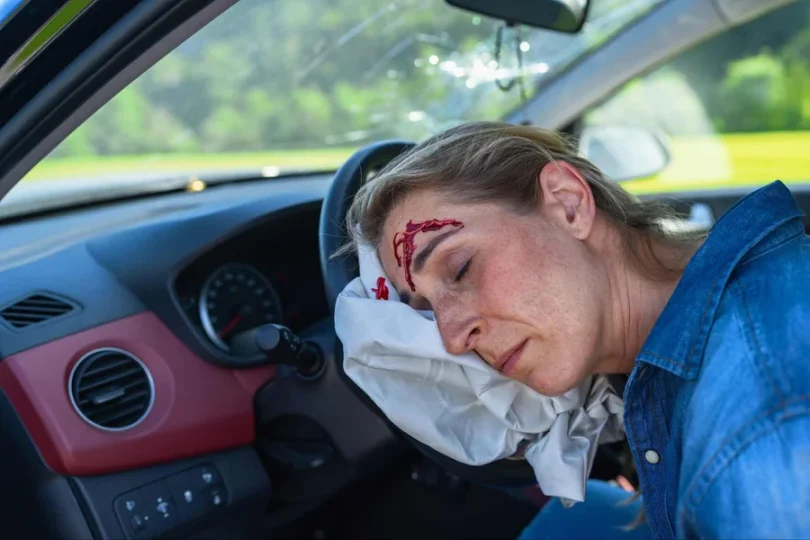

After a car accident, visible injuries often receive the most attention. Cuts, bruises, and broken bones are easy to identify and treat. However, some of the most serious injuries are not immediately obvious. A concussion—often dismissed as “mild”—can have lasting effects that disrupt daily life long after the crash.
What makes concussions particularly dangerous is how subtle they can appear at first. Many people walk away from an accident feeling shaken but otherwise fine, only to develop symptoms hours or days later. Understanding the true impact of a concussion is essential for recognizing its seriousness and taking the right steps toward recovery.
Concussions Are Brain Injuries, Not Just Headaches
A concussion is a type of traumatic brain injury caused by a sudden impact or jolt to the head. Even without a direct blow, the force of a crash can cause the brain to move within the skull, leading to injury. This means that concussions can occur even in accidents that seem relatively minor.
Because the brain is involved, the effects can go far beyond a simple headache. Memory issues, confusion, dizziness, and sensitivity to light or noise are all common symptoms. These changes can interfere with work, relationships, and everyday functioning.
Symptoms May Not Appear Right Away
One of the most concerning aspects of a concussion is the delayed onset of symptoms. Immediately after an accident, adrenaline can mask pain and discomfort. It may take hours or even days for symptoms to become noticeable.
This delay can lead people to underestimate the injury or avoid seeking medical attention. By the time symptoms appear, the condition may already be affecting cognitive function and overall well-being. Early evaluation is critical, even if symptoms seem mild at first.
Cognitive Effects Can Disrupt Daily Life
Concussions often affect how the brain processes information. Tasks that once felt routine—such as concentrating, remembering details, or making decisions—can become difficult. This can be especially challenging for individuals who rely on mental focus in their work or studies.
These cognitive changes are not always immediately visible to others, but they can significantly impact quality of life. Struggling to keep up with responsibilities can lead to frustration and stress, adding another layer to the recovery process.
Physical Symptoms Can Persist Longer Than Expected
While some people recover from a concussion within a few weeks, others experience symptoms that last much longer. Persistent headaches, fatigue, and dizziness can continue for months, a condition often referred to as post-concussion syndrome.
These ongoing symptoms can interfere with normal activities, making it difficult to return to work or maintain a regular routine. The unpredictability of recovery can also create uncertainty and anxiety about the future.
Emotional and Psychological Changes Are Common
Concussions do not just affect the body—they can also impact emotional health. Mood swings, irritability, anxiety, and depression are frequently reported by individuals recovering from brain injuries.
These changes can strain relationships and make it harder to cope with the challenges of recovery. Recognizing and addressing these emotional effects is an important part of the healing process.
The Risk of Returning to Normal Activities Too Soon
After a car accident, many people feel pressure to return to their normal routines as quickly as possible. However, with a concussion, rushing back to work, driving, or engaging in physical activity can worsen symptoms and delay recovery.
The brain needs time to heal. Ignoring medical advice or pushing through symptoms can increase the risk of further injury or prolonged complications. Rest and gradual reintroduction of activities are key components of recovery.
Medical Documentation Is Crucial for Long-Term Care
Because concussions can be difficult to detect, proper medical documentation is essential. Early diagnosis, consistent treatment, and detailed records help ensure that the injury is taken seriously and managed appropriately.
This documentation also becomes important if complications arise later. It provides a clear timeline of symptoms and treatment, which can support both medical care and any related claims.
Legal Considerations When a Concussion Is Involved
When a concussion results from a car accident caused by another driver, it becomes part of a larger legal picture. These injuries can be challenging to prove because they are not always visible, yet their impact can be significant.
Working with a car accident attorney in Salt Lake City can help ensure that the seriousness of a concussion is properly recognized. A strong claim considers not only immediate symptoms but also long-term effects on cognitive function, emotional health, and overall quality of life.
Why Concussions Are Often Underestimated
Many people associate concussions with sports injuries or assume they are minor because there may be no visible damage. This misunderstanding can lead to delayed treatment and inadequate care.
In reality, concussions are complex injuries that affect the brain’s function. Even a “mild” concussion can have lasting consequences if not properly addressed. Awareness is key to preventing complications and ensuring proper recovery.
Taking the Injury Seriously From the Start
The best way to manage a concussion is to take it seriously from the beginning. Seeking medical attention, following treatment recommendations, and monitoring symptoms closely can make a significant difference in recovery outcomes.
Ignoring or downplaying the injury can lead to prolonged issues that are more difficult to treat later. Early action helps protect both immediate health and long-term well-being.
A Hidden Injury With Real Consequences
A concussion may not always be visible, but its effects are very real. From cognitive challenges to emotional changes, this type of injury can impact nearly every aspect of life after a car crash.
Recognizing the seriousness of a concussion is the first step toward proper recovery. With the right care, attention, and support, individuals can navigate the challenges and work toward regaining stability and control in their lives.