
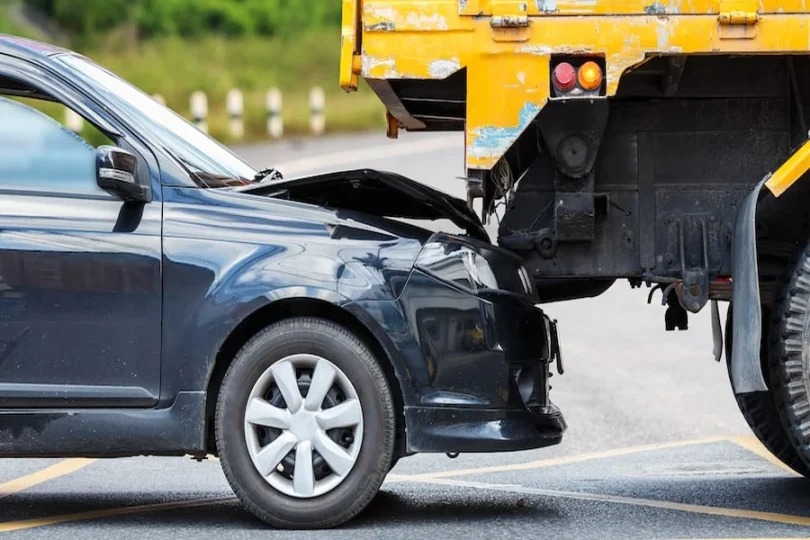

Sharing the road with large commercial trucks requires awareness, patience, and respect for the limitations these vehicles face. Big rigs are significantly larger and heavier than passenger vehicles, which means they cannot stop or maneuver as easily. When unsafe driving behaviors like tailgating and improper lane changes come into play, the risk of serious accidents increases dramatically.
These types of driving errors are not just minor mistakes—they are leading contributors to severe and often preventable crashes. Understanding how and why these behaviors create danger is essential for both truck drivers and others on the road. If you or someone you care about has been affected by one of these incidents, consulting a knowledgeable big rig accident attorney in Austin can help you understand your legal options and what steps to take next.
Why Tailgating Is Especially Dangerous for Big Rigs
Tailgating is risky in any vehicle, but it becomes far more dangerous when a large truck is involved. Big rigs require much longer stopping distances due to their weight and momentum. When a truck follows too closely, it reduces the driver’s ability to react to sudden changes in traffic.
If the vehicle ahead brakes unexpectedly, a tailgating truck may not have enough time or distance to stop safely. This often results in rear-end collisions, which can be devastating given the size and force of a commercial truck.
Limited Visibility and Blind Spots Increase the Risk
Big rigs have significant blind spots, often referred to as “no-zones,” on all sides of the vehicle. When a truck is following too closely, the driver’s ability to see the road ahead is further reduced. This makes it even harder to anticipate traffic conditions or hazards.
Tailgating also puts smaller vehicles at risk because they may not be visible to the truck driver. When combined with limited visibility, this creates a dangerous situation where drivers may not even realize how close they are to a potential collision.
Unsafe Lane Changes Can Lead to Catastrophic Accidents
Lane changes are another critical area where mistakes can have serious consequences. Due to their size, trucks require more time and space to safely change lanes. An unsafe or rushed lane change can lead to sideswipe accidents or force smaller vehicles off the road.
Improper lane changes often occur when drivers fail to check blind spots, misjudge distances, or attempt to merge in heavy traffic. These actions can create sudden and unpredictable situations that other drivers cannot avoid.
The Role of Driver Judgment and Decision-Making
Both tailgating and unsafe lane changes often stem from poor judgment. Truck drivers may feel pressure to maintain schedules or navigate through congested traffic quickly, leading them to take risks they otherwise wouldn’t.
However, these decisions can have serious consequences. A moment of impatience or miscalculation can result in a collision that affects multiple vehicles and causes significant harm. Safe driving requires constant awareness and disciplined decision-making.
Traffic Conditions Can Make These Behaviors More Dangerous
In busy areas like Austin, traffic congestion adds another layer of complexity. Stop-and-go traffic, sudden slowdowns, and frequent lane changes are common, making it more difficult for truck drivers to maintain safe distances and execute smooth maneuvers.
Tailgating in heavy traffic leaves little room for error, while unsafe lane changes can create chain-reaction accidents. The more congested the roadway, the greater the risk when these behaviors occur.
Weather and Road Conditions Add to the Hazard
Adverse weather conditions, such as rain or fog, can significantly impact a truck’s ability to stop and maintain control. Wet or slippery roads increase stopping distances even further, making tailgating especially dangerous.
Similarly, poor visibility can make it harder to judge distances during lane changes. When drivers fail to adjust their behavior to match these conditions, the likelihood of accidents increases.
The Impact on Other Drivers and Road Users
When a big rig tailgates or changes lanes unsafely, it doesn’t just put the truck driver at risk—it endangers everyone nearby. Smaller vehicles are particularly vulnerable due to the size difference, and occupants are more likely to suffer serious injuries in a collision.
These accidents can also involve multiple vehicles, especially on highways. A single unsafe maneuver can trigger a chain reaction, leading to widespread damage and increased danger for all road users.
Legal Consequences of Unsafe Driving Behaviors
Unsafe driving actions like tailgating or improper lane changes can carry both traffic penalties and civil liability when they lead to a crash.
- Traffic Violations as Evidence: These behaviors can be cited as proof of negligence in an accident claim.
- Driver Liability: The individual driver may be held responsible for causing the collision.
- Trucking Company Liability: Employers may share responsibility if poor training, supervision, or unrealistic schedules contributed to the conduct.
- Supporting Evidence: Dashcam footage, witness statements, and police reports can help establish what occurred.
Proving these behaviors is often key to showing fault and securing compensation for resulting injuries and damages.
Preventing Accidents Through Safer Driving Practices
Preventing accidents involving big rigs requires a commitment to safe driving practices. Truck drivers must maintain adequate following distances, check blind spots carefully, and allow enough time for lane changes. Patience and awareness are key to reducing risk.
Other drivers also play a role by avoiding sudden maneuvers around trucks and staying out of blind spots whenever possible. Shared responsibility on the road can help create a safer environment for everyone.
A Small Mistake Can Have Massive Consequences
Tailgating and unsafe lane changes might appear to be minor driving errors, but when they involve large trucks, the consequences can be severe. The size and weight of these vehicles amplify the impact of even the smallest mistakes, turning routine traffic situations into dangerous events.
Understanding these risks and prioritizing safe driving behaviors can help both truck drivers and other motorists prevent serious accidents. Awareness, patience, and sound judgment are essential to ensuring that everyone reaches their destination safely.