
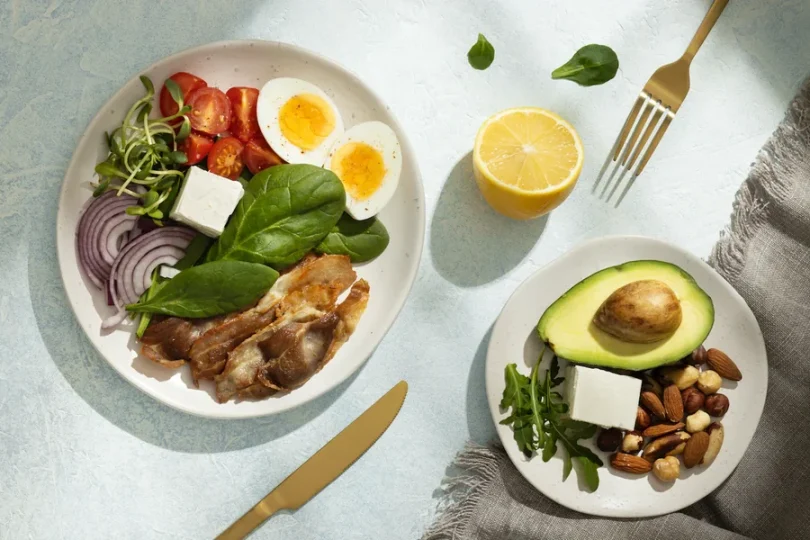

As the global superfoods market continues to expand—projected to grow robustly into 2026 and beyond with increasing consumer demand for nutrient‑dense, functional foods—what’s on our plates is undergoing a transformation. Today’s health‑minded eaters are not only chasing protein and antioxidants, but also gut health, fibre, sustainability, and cognitive support.
In 2026, the definition of a “superfood” will stretch into new territories: humble pantry staples reinvented, ancient grains revived, algae and adaptogens modernized, and fibres recognized as equally essential as protein. Here’s a look at the top superfoods and nutritional trends set to shape how we eat and feel next year—and why they’re gaining traction.
Fibre‑Forward Foods: The New Superstar Nutrient
Far from being boring, fibre has emerged as one of the hottest nutritional priorities—and for good reason. Experts forecast that fibre will surpass protein as a central focus in dietary trends for 2026, mirroring growing interest in gut health, satiety, metabolic support, and microbiome balance.
This shift means many foods rich in natural fibre will move from fringe to forefront:
- Chickpeas & Pulses: Already part of plant‑based diets, pulses offer protein and substantial fibre, supporting digestion and blood‑sugar balance.
- Prunes & High‑Fibre Grains: Foods like prunes and spelt are gaining popularity as part of “fibremaxxing,” a trend aimed at maximizing daily fibre intake.
- Cabbage: Once underappreciated, cabbage is predicted to become a major food trend in 2026 due to its fibre content and versatility across global cuisines.
Fibre’s rise isn’t just about digestion; research shows high‑fibre diets can reduce chronic disease risk, enhance satiety, and support immune health—making these foods true nutritional workhorses.
Traditional Fermented Foods: Gut Health Goes Mainstream
Fermented foods remain nutritional heavyweights and are expected to become even more mainstream in 2026. Foods rich in probiotics help nourish the gut microbiome, which scientists increasingly link with immunity, mental well-being, and overall health.
Look for these on menus and grocery shelves:
- Kefir: A probiotic‑rich, fermented drink with more cultures than most yogurts.
- Kimchi & Sauerkraut: Fermented vegetables that add bold flavor and beneficial microbes.
- Kombucha & Fermented Teas: Fizzy, tangy drinks that combine hydration with digestive enhancement.
Fermentation adds complexity of flavor while delivering functional health benefits—two major drivers behind their enduring popularity cookout menu with prices.
Ancient Grains and Alternative Seeds
Long before quinoa became a household name, other grains and seeds powered traditional diets. In 2026, several of these nutrient-dense plant foods will find a larger global audience:
- Quinoa: A perennial favorite, high in complete protein and fiber.
- Fonio: An ancient West African grain gaining attention for its sustainability and nutritional profile.
- Chia & Tiger Nuts: Tiny but mighty, chia seeds bring omega‑3s and fiber, while tiger nuts (actually tubers) deliver prebiotic fiber and heart‑healthy fats.
These grains and seeds lend themselves beautifully to modern bowls, salads, porridges, and baked goods, blending tradition with contemporary nutrition demands.
Antioxidant Powerhouses: Berries and Unique Botanicals
Antioxidants help protect cells from oxidative stress—a key factor in aging and chronic disease—so foods rich in phytonutrients continue to shine. In 2026, both familiar and emerging antioxidant sources will be in the spotlight:
- Blueberries: A classic source of anthocyanins linked with heart and brain health.
- Crowberries: Lesser‑known Nordic berries with potent antioxidant profiles, primed for wider recognition.
- Ossetra Caviar: Though a luxury ingredient, Ossetra caviar is increasingly celebrated for its omega‑3 content and antioxidant peptides, making it a functional delicacy for health-conscious gourmets.
Expect these superfoods to show up in smoothies, cereals, wellness‑focused snacks, and even gourmet dishes that balance indulgence with nutrition.
Sea Vegetables & Marine Superfoods
Ocean‑derived foods are more than trendy—they’re nutrient dense and sustainable. Seaweeds and algae are rich in minerals, iodine, and unique phytonutrients:
- Sea Moss: Packed with essential minerals and prebiotic fibers, sea moss is emerging as a marine superfood star.
- Algae Omega‑3: As plant‑based lifestyles grow, algae become a preferred source of essential fatty acids, offering heart and brain benefits without fish oil’s sustainability concerns.
Marine foods also appeal to eco‑conscious consumers, aligning personal health with planetary health.
Functional Mushrooms: Adaptogens for Stress & Immunity
Adaptogenic mushrooms bridge the worlds of nutrition and wellness, promising benefits from stress relief to cognitive support. As stress remains a global concern, these fungi are being incorporated into everyday foods and beverages:
- Lion’s Mane: Linked to cognitive function and nerve support.
- Reishi & Chaga: Celebrated for calming, immune‑boosting properties.
Expect functional mushroom extracts in teas, coffees, supplements, and even snack products.
Dairy and Fermented Dairy Reinvented
While plant‑based alternatives grabbed headlines over the past decade, dairy is experiencing a renaissance of its own—particularly in functional, probiotic, and high‑protein formats. Products like kefir, Greek yogurt, and even probiotic‑enhanced dairy desserts are gaining traction for their metabolic and gut‑health benefits.
What’s Driving These Trends?
Several forces are shaping the 2026 superfoods landscape:
- Functional Nutrition: Consumers are prioritizing foods that do more than fill calories—they support specific health goals like immunity, digestion, or cognition.
- Clean & Transparent Labels: Shoppers seek minimally processed foods with clear, validated benefits.
- Sustainability: Environmental impact and ethical sourcing are increasingly tied to purchasing decisions.
- Cultural & Culinary Exploration: Global flavors and traditional ingredients are influencing Western menus and home kitchens alike.
How to Incorporate These Superfoods
Whether you’re a seasoned health foodie or just getting started:
- Smoothies & Bowls: Add berries, chia, sea moss gel, or moringa powder for nutrient density.
- Fermented Sides: Include kimchi or kefir as everyday accompaniments.
- Plant‑Forward Meals: Build salads with quinoa, chickpeas, and leafy greens.
- Gourmet Touches: Use Ossetra caviar sparingly on avocado toast or protein-rich eggs for an antioxidant boost.
- Snack Smart: Choose seeds, pulses, or fermented savory snacks over ultra-processed options.
Conclusion: A Balanced, Future‑Ready Plate
The superfoods poised for 2026 aren’t just buzzworthy—they reflect a deeper shift in how we think about food: from fuel to holistic wellness. With roots in traditional diets and branches in cutting‑edge nutrition science, these foods offer nutrient density, flavor, and purpose. Whether championing gut health, boosting fibre intake, or harnessing the power of adaptogens and luxury superfoods like Ossetra caviar, they represent a richer, more informed way of eating for the decade ahead.