
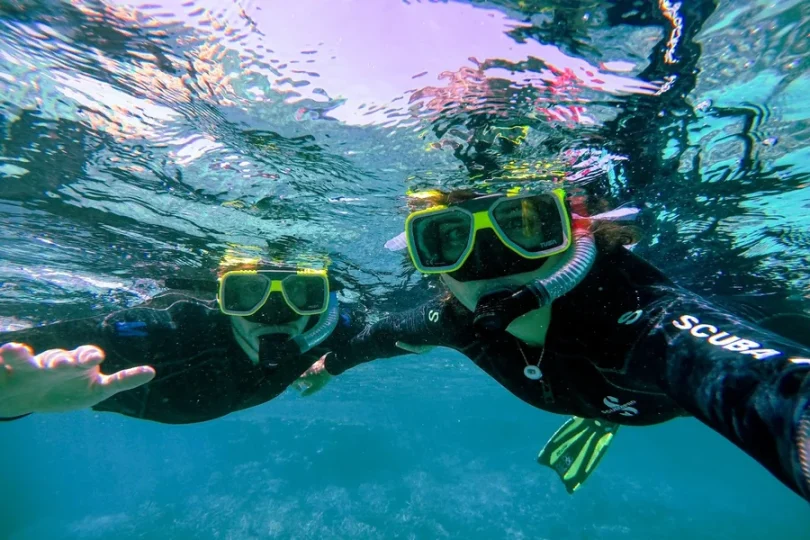

Staying relaxed while snorkeling comes down to controlling your breathing and trusting your gear. Most people feel anxious in the water because they overthink it, but a few simple habits can change that quickly.
O’ahu is one of the most popular islands in Hawaii, known for its warm, clear waters and rich marine life. The island’s coastline offers some of the best snorkeling conditions in the Pacific. It is home to Honolulu, the state capital, and serves as a major hub for travel and tourism in the region.
Its unique geography, with mountain ranges and coastal plains, creates diverse landscapes and microclimates across different parts of the island. Many visitors explore these waters through sailing O’ahu tours, which combine ocean adventure with guided snorkeling stops at prime reef locations.
This article talks about simple ways to enjoy your snorkeling.
Get Comfortable with Your Gear Before You Enter the Water
Unfamiliar gear is one of the biggest reasons people panic while snorkeling. Spend a few minutes on the shore testing your mask, fins, and snorkel before you swim out. A mask that fits properly and fins that feel secure will make a huge difference once you are in the water.
Check Your Mask Fit
Place the mask on your face without using the strap. Inhale slightly through your nose. If it stays in place on its own, the seal is good. A leaky mask will let water in and break your focus underwater.
Getting Used to Breathing Through a Snorkel
Breathing through a tube feels strange at first, but it gets easier with practice. Sit in shallow water and practice slow, steady breaths before heading deeper. Focus on exhaling fully each time, which helps clear the tube and keeps you calm.
Control Your Breathing to Stay Calm
Your breathing is the most powerful tool you have while snorkeling. When people get nervous, they breathe fast and shallow, which makes things worse. Slowing your breath down signals your body to relax, even if you feel anxious.
Take long, deep breaths in and slow breaths out while you float. Think of it like a rhythm you can count in your head. This keeps your mind focused and your body calm at the same time.

Float Instead of Fighting the Water
Many beginners exhaust themselves by kicking too hard or tensing up their bodies. The ocean does most of the work for you if you let it. Relax your arms, keep your body flat, and use slow, gentle fin kicks to move forward.
Wearing a snorkel vest or buoyancy aid is a smart choice if you are not a confident swimmer. It keeps you at the surface without any effort. This lets you enjoy what is below the water instead of worrying about staying afloat.
What to Do If You Feel Anxious Mid-Snorkel
Feeling a sudden rush of panic in the water is more common than most people admit. The best thing you can do is stop moving and float on your back for a moment. Breathe slowly, look up at the sky, and let your body settle before continuing.
- Lift your head above water if you feel overwhelmed
- Signal to your buddy or guide that you need a moment
- Do not push through strong panic; take a break instead
- Focus on one slow breath at a time until you feel steady
Choose the Right Snorkeling Spot for Your Comfort Level
Not every snorkeling site is right for every skill level. Calm, shallow bays with little current are the best places for beginners. Avoid sites with strong waves or deep drop-offs until you feel fully confident.
Ask your guide or tour operator about the difficulty level before you go in. A good guide will match you with a spot that fits your experience. Starting easy and building up is always the smarter choice.
When it comes to sailing in O’ahu, the same idea applies, conditions can change quickly depending on the route and season. Choosing the right sailing experience based on your comfort level makes the trip safer and more enjoyable, especially for first-timers exploring open waters.
Key Takeaways
- Controlled, slow breathing is the most effective way to stay relaxed while snorkeling
- Always test your mask and fins on shore before entering the water
- Float with your body relaxed rather than kicking hard or tensing up
- If anxiety hits mid-snorkel, stop, float on your back, and breathe slowly
- A buoyancy vest removes the stress of staying afloat so you can enjoy the experience
- Guided tours offer built-in support and safe locations for first-time snorkelers