
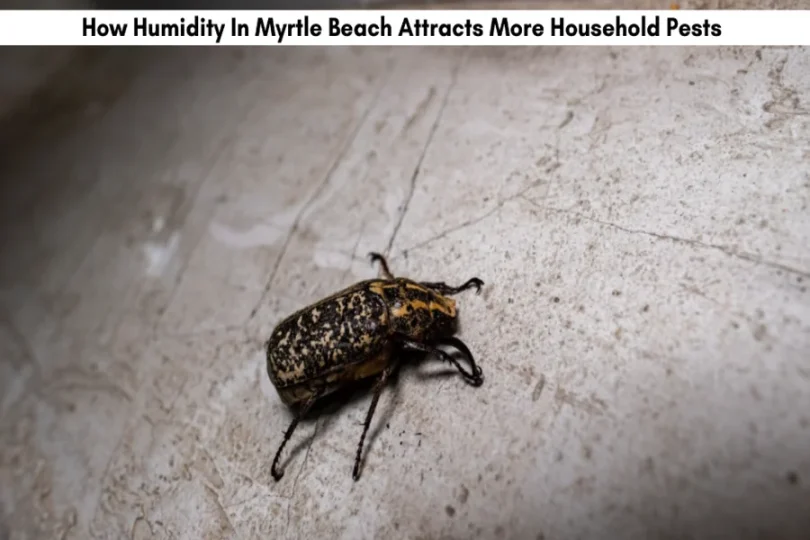

Residing in Myrtle Beach offers comfort with access to the coastal life and favorable temperatures, but constant humidity may silently interfere with home care. You might see ants on your kitchen counters, roaches around your sinks, or mosquitoes around the doorways, and these problems tend to come back after cleaning or repeated treatment.
For most of the year, the air remains very humid, which provides pests with the moisture and environmental conditions that they need to live and multiply both outdoors and inside your home. As a result, small-scale pest appearances may evolve into infestations.
However, by knowing the way humidity influences the behavior of pests, you are able to respond promptly and effectively. By controlling moisture in the house, sealing possible access points, and fixing wet spots early, you make the environment less favorable to pests.
This article discusses the effects of humidity in Myrtle Beach on pests in the household and the measures that can be applied in a practical manner to reduce them.
1. Moisture Creates Ideal Living Conditions

Pest activity is directly influenced by high humidity in seaside houses. A broad range of insects and rodents depend on moisture to keep them hydrated and alive, and the ever-damp climate of Myrtle Beach enables them to remain active for extended periods throughout the year.
Since water is fundamental to their biological functions, any small condensation or leakage can help pest populations to thrive. Moreover, there is an accumulation of excess moisture in crawl spaces, under sinks, HVAC, and foundations.
These wet places can be natural breeding grounds where insects can live and multiply. The small-scale moisture problems may, over time, form stable environments that support the long-term infestation.
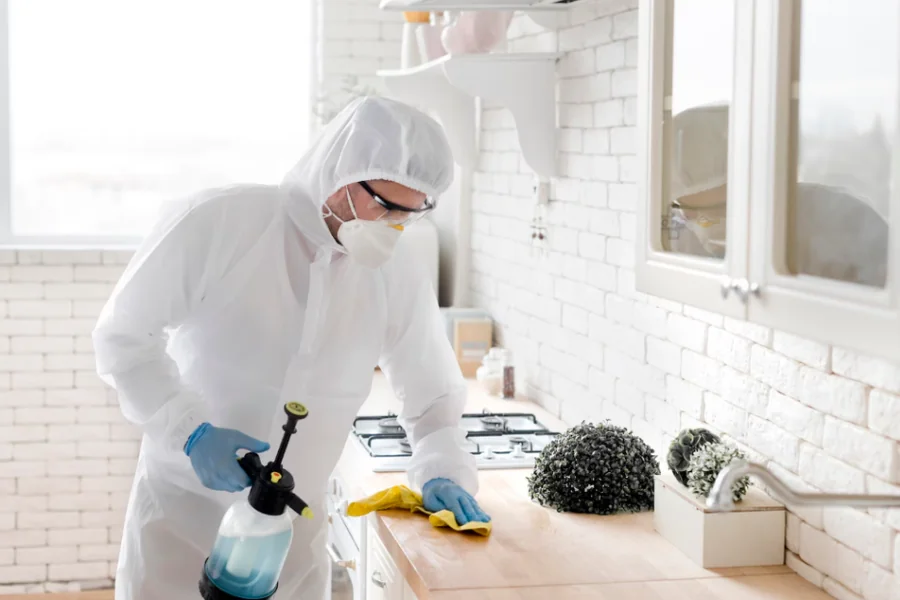
This is why most homeowners turn to professional pest control services in order to handle moisture-related pest issues at the source. With targeted treatment and moisture management, you can minimize the conditions that attract pests in the first place.
2. Humidity Accelerates Reproduction Cycles
Humid, warm air does not just keep pests alive but also accelerates their life cycles. Mosquitoes, ants, and cockroaches evolve more rapidly in a humid environment. Furthermore, the eggs hatch faster, and the larvae mature faster, and hence they are able to complete several life cycles within a single season.
Consequently, an early sign of pest activity may grow into a visible infestation in a short time. You may get rid of the visible pests, but newer ones are always emerging since breeding cycles remain uninterrupted. This rapid population replacement makes humid climates especially hard to control pests.
Thus, early intervention becomes vital. By tackling the problem of moisture and pest populations earlier, when their population is small, you limit their reproduction and proliferation within your home.
3. Damp Areas Provide Reliable Shelter
The humidity also promotes the indoor sheltering of the pests. When the outside air is too humid or when there is a storm, the insects and rodents seek stable areas where the moisture level is stable. Homes can provide these pests with stable moisture, warmth, and protection.
Moreover, humid air is likely to be trapped in crawl spaces, basements, attics, and wall voids, particularly when there is no or limited ventilation. These spots provide dark and quiet cover, where pests can stay longer without being detected. In addition, even minor cracks in the vicinity of windows, doors, or foundations can be easily penetrated.
Once inside, pests exploit favorable conditions. However, by reducing the humidity inside and closing structural openings, you can make your home less inviting and considerably reduce the areas of harborage.
4. Mold Growth Supplies Additional Food Sources
Another effect of high humidity is mold and mildew growth. When moisture lingers in kitchens, bathrooms, or poorly ventilated rooms, organic materials begin to break down. This process creates food sources for certain insects, including silverfish and cockroaches.
Moreover, mold growth often produces subtle odors that signal suitable habitat conditions to pests. Even if you do not immediately see visible damage, microscopic growth can attract insects searching for nourishment. As humidity persists, these food sources expand, supporting larger pest populations.
By controlling indoor moisture and promptly addressing leaks or condensation, you remove both sustenance and environmental signals that draw pests indoors. In this way, moisture management becomes a practical component of long-term pest prevention.
5. Stable Water Sources Draw Rodents
While insects are most commonly associated with humidity, rodents are also influenced by coastal moisture levels. Mice and rats require consistent access to water, and humid environments provide it more readily through damp soil, pooled rainwater, and condensation.
During periods of heavy rainfall or sustained humidity, rodents may seek dry but moisture-accessible shelter inside homes. Garages, storage areas, and utility spaces often provide ideal nesting conditions. Once established, rodents can contaminate surfaces, damage insulation, and chew through structural materials.
Therefore, reducing standing water around your property and keeping storage areas dry helps discourage rodents from settling indoors. Addressing exterior drainage and maintaining clean, clutter-free spaces further decreases the likelihood of infestation.
Final Thoughts
Humidity in Myrtle Beach plays a significant role in attracting and sustaining household pests. Constant moisture supplies hydration, speeds up reproduction cycles, creates concealed shelter zones, and promotes mold growth that becomes a food source for insects.
At the same time, rodents take advantage of reliable water access and protected nesting spots formed by damp conditions. Since these elements reinforce each other, pest problems in coastal climates often continue unless moisture issues are addressed along with proper treatment.
By controlling indoor humidity, sealing gaps, and regularly inspecting vulnerable areas, you can reduce pest activity and maintain a healthier, more comfortable home year-round.