
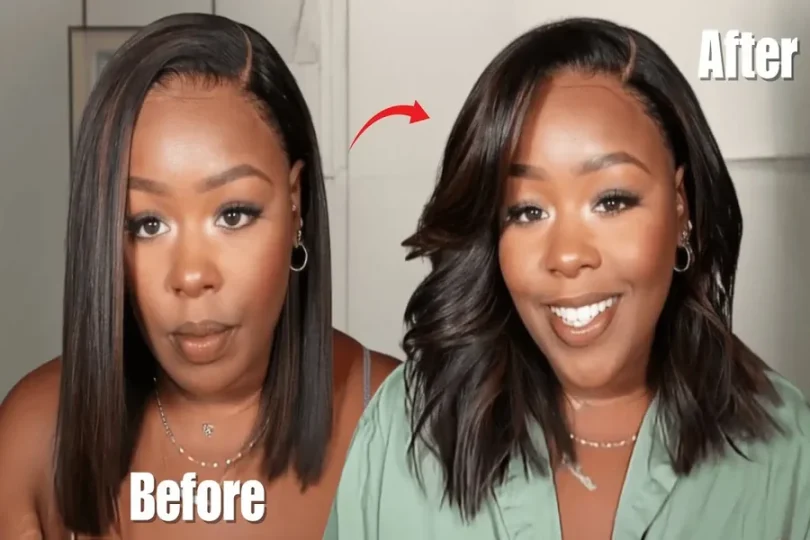

A yaki bob wig is popular because it looks like a natural blowout—slightly textured, full, and realistic without looking overly silky. But that same texture can grab onto friction from collars, scarves, and daily handling, which is why some people notice dryness or tangling over time. The good news is that keeping a yaki bob soft and tangle-free is mostly about reducing friction, managing buildup, and protecting the ends, especially in shorter, structured styles like blunt cut bob wigs where every strand contributes to the shape.
Below is a practical care routine that works for both human hair and synthetic yaki bobs, with notes on what changes depending on fiber type.
Understand what causes tangles in a yaki bob
Tangles usually aren’t random; they’re a predictable result of a few issues:
Friction is the biggest culprit. A bob constantly rubs against your neck, coat collars, backpacks, and seat backs. That rubbing roughens the cuticle on human hair and creates static and matting in synthetic fibers. Product buildup is another common cause. Heavy oils, waxy sprays, and thick creams cling to textured strands, making them sticky and more likely to knot.
Color-treated units need extra care too. Blonde bob wigs often feel drier because lightening and toning processes can make hair more porous. Even when the wig looks gorgeous, it may require more moisture and gentler handling to stay soft.
Detangle the right way (and at the right frequency)
A yaki bob doesn’t need aggressive brushing, but it does need consistent, gentle detangling.
Start by using your fingers to separate any large knots, then move to a wide-tooth comb. Always begin at the ends and work upward in small sections. If you start at the roots and drag downward, you tighten knots and create shedding. Detangle before you wash and after the wig is mostly dry; detangling soaking-wet hair can stretch strands and increase breakage.
For blunt cut bob wigs, detangling carefully matters because the ends are meant to look dense and even. Rough combing can thin the perimeter, making the blunt line look wispy and less “freshly cut.”
Wash less often, but wash better
Overwashing can dry out a yaki texture, yet washing too rarely allows buildup to cause tangles. The sweet spot depends on how often you wear it and how much product you use.
Use a gentle, sulfate-free shampoo for human hair. For synthetic, use a wig-safe cleanser. Focus shampoo on the cap and roots where oils and makeup collect, then let the suds run down the lengths—don’t aggressively scrub the mid-shaft and ends. Rinse thoroughly; leftover product is a tangle magnet.
Conditioning is where softness is restored. Apply conditioner mainly from mid-length to ends, and comb it through gently. Let it sit for a few minutes, then rinse well. For blonde units, consider alternating in a deep conditioner (human hair) or a silicone-based detangling spray (synthetic) to keep the strands smooth without weighing them down.
Drying habits that prevent knots
The way you dry a wig can either preserve softness or create tangles that last all week.
After rinsing, blot with a towel—don’t rub. Rubbing creates friction and roughens the texture. Place the wig on a stand and let it air dry as much as possible. If you use a blow dryer on human hair, use low-to-medium heat and direct airflow downward to keep the cuticle smoother.
Avoid sleeping or lounging with wet hair. Damp strands tangle easily, and the bob will dry in odd shapes. This is especially noticeable in blunt cut bob wigs, where the clean line depends on the hair drying evenly.
Use the right products (lightweight beats heavy)
Soft, tangle-free yaki hair usually comes from light layers, not heavy oils.
For human hair, use a lightweight leave-in conditioner and a small amount of serum only on the ends. For synthetic, use a silicone-based wig spray designed for detangling and reducing static. Either way, keep products away from the roots and cap; root buildup makes hair clump and increases friction at the base.
With blonde bob wigs, be extra cautious with yellowing. Some oils and heat protectants can oxidize and shift tone over time. Use products labeled safe for color-treated hair and keep heat moderate.
Heat styling: minimal, controlled, and strategic
Many yaki bobs look best with only minor heat work. Overheating can dry out human hair and permanently damage synthetic fibers.
If your unit is human hair, use heat protectant and keep tools at a moderate temperature. Focus on the top and ends—pressing the crown lightly to reduce puffiness and giving the ends a subtle bend often looks more natural than making it pin-straight. For blunt styles, shaping the ends gently maintains that crisp outline without frizz.
If your wig is synthetic and heat-friendly, follow the manufacturer’s temperature limit strictly. Too much heat can create rough spots that tangle faster.
Prevent friction during wear (the “secret” to fewer tangles)
Daily friction control makes the biggest difference.
Try switching from rough scarves to smoother fabrics, and minimize high-collar rubbing when possible. In windy conditions, keep the bob tucked behind one ear or use discreet pins to reduce whipping and knotting. When you take the wig off, don’t toss it on a dresser—place it on a stand to preserve shape and reduce matting at the nape.
Storage and nighttime care
If you wear your wig frequently, treat storage like part of the maintenance routine. Lightly detangle, then store it on a stand or in a satin bag. For longer bobs, a loose wrap around the base of the stand can help prevent the nape area from tangling.
If you must wear it for long hours, a satin-lined cap can reduce friction and keep the inside of the wig cleaner, which also helps the hair stay soft.
Conclusion
To keep a yaki bob wig soft and tangle-free, focus on gentle detangling, thorough but not excessive washing, friction-reducing drying and wear habits, and lightweight products that don’t create buildup. Structured styles like blunt cut bob wigs need extra care at the ends to maintain that clean, sharp line, and blonde bob wigs usually benefit from more moisture and tone-safe products. With a consistent routine, a yaki bob can stay smooth, bouncy, and realistic for a long time.