
Packing a car for a road trip used to mean one dependable ritual: stopping for a bag of ice every morning and hoping the cooler held its temperature until lunch. That routine is quietly disappearing from many trip-planning checklists.
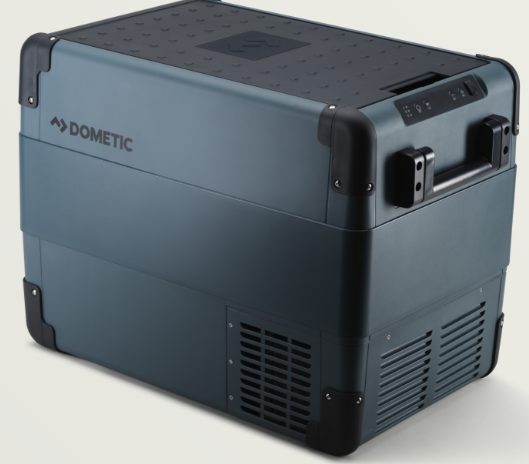
In its place, more travelers are packing a small, powered box that plugs into a car’s 12-volt socket and keeps food and drinks cold for days without a single cube of ice. The shift is small in size but large in what it changes about how a trip actually runs.
With this in mind, this article looks at why portable fridges are reshaping road trip packing, and what is actually driving people to switch from a traditional cooler.
1. Removes Daily Chore of Managing Ice
A portable fridge eliminates one major hassle of using coolers when packing food: the need for ice. No need to stop to add ice regularly; there are no wet sandwiches floating in the melted water, and there is no question about how cool the box’s contents really are.
This is because the refrigeration system in portable fridges works like that of home refrigerators and maintains the set temperature regardless of the outdoor temperature, thus allowing a cooler to keep drinks cold in one place and meat fresh somewhere else on a camping trip.
2. Keeps Food Safely Out of Bacterial Danger Zone
Safety margin is much more important than one can imagine. The USDA guidelines for food safety define a “danger zone” ranging from 40 to 140 degrees Fahrenheit, within which bacteria thrive, and suggest that perishable foods be kept at 40 degrees or less when being transported out of the fridge.
In an ice cooler, the temperature tends to approach the danger zone as the ice melts over one to two days, particularly in sunlight. In contrast, a compressor cooler maintains its set temperature as long as it has electricity.

3. Road Trips are Setting Records, and Fresh Food is Coming Along
Another reason for the shift towards refrigerators for long drives is the increase in the number of road trips Americans take in recent years compared to previous years.
AAA’s forecast for the 2026 July 4th holiday estimated that a record-breaking 72.2 million Americans would be traveling for a domestic trip of 50 miles or more from their home. This is higher than last year’s record-breaking number. Under such circumstances, there may be no options along the way, and a refrigerator stocked with real food becomes a realistic option.
4. More Campers are Choosing Real Meals Over Convenience Food
Camping figures tell a similar story. Campgrounds of America’s most recent outdoor hospitality report found that more than 52 million North American households camped in 2025, a figure that has climbed past pre-pandemic levels as first-time campers from a few years ago have stuck with the hobby.
That much sustained interest in camping has pushed demand toward gear that makes extended stays more comfortable, and a fridge that can keep dairy, meat, and produce fresh for a week does more for a trip’s food quality than almost any other single upgrade.
5. Compressor Technology Means No More Watery Coolers
The technology behind these units is also a large part of the appeal. Most rely on small variable-speed compressors, the same basic principle used in home refrigerators, rather than the thermoelectric cooling found in older 12-volt coolers that could only pull the temperature down 20 to 40 degrees below the outside air.
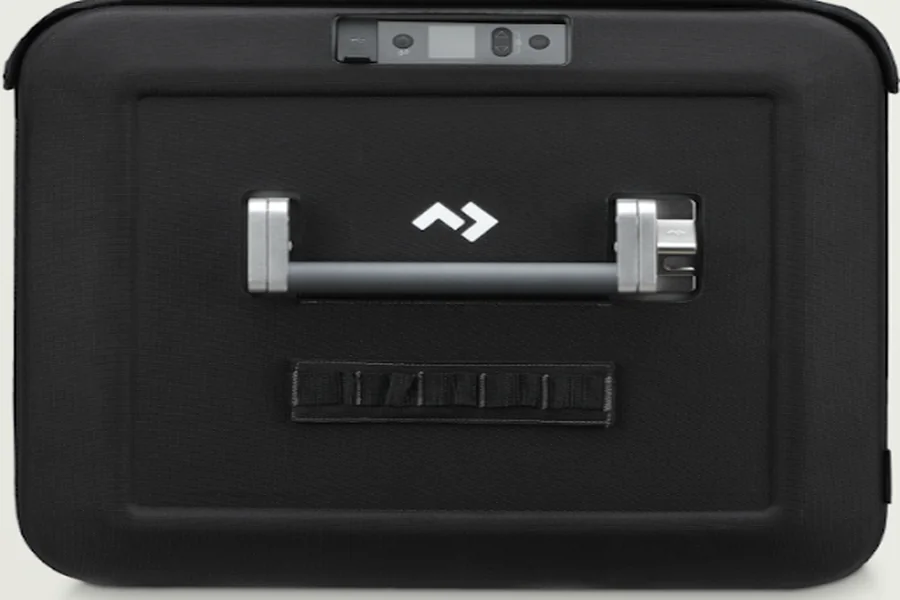
A compressor-driven unit can maintain near-freezing temperatures even in desert heat, run efficiently enough to draw power from a car battery or a portable power station without draining it during a day of driving, and often includes a digital display so drivers can check the exact temperature rather than guess by touch.
6. Dual-Zone Models Replace Two or Three Coolers at Once
Dual-zone models add another layer of flexibility that a cooler cannot match. One compartment can stay at refrigerator temperature for drinks and produce while the other runs cold enough to freeze meat or ice packs, which means a single unit covers both a day’s cold drinks and a week’s worth of proper groceries.
That versatility is a large part of why a portable fridge tends to replace two or three coolers rather than one.
Conclusion
A portable fridge does more than keep food cold. It removes the ice, water, spoilage, and daily maintenance that have traditionally been part of packing for a longer road trip. With reliable temperature control, efficient power use, and dual-zone flexibility, it gives travelers more freedom to carry fresh food and spend less time planning around the next place to buy ice.
For short outings, a traditional cooler still makes perfect sense. But for multi-day road trips, camping trips, and longer stretches away from reliable food stops, a portable fridge changes what is practical to pack. The result is a simpler, more predictable way to manage food on the road, which explains why these once-specialty appliances are becoming a more common part of modern road-trip gear.