
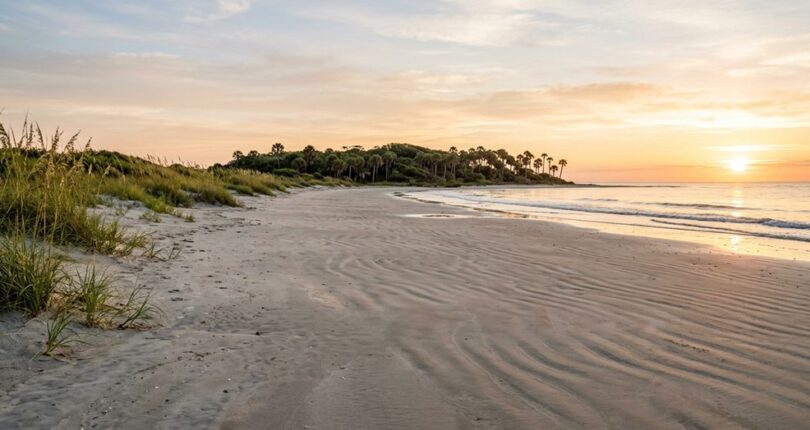

Kiawah Island sits along South Carolina’s southeastern coast, a barrier island shaped by tides, marsh, and centuries of Lowcountry history. Visitors often arrive expecting a familiar beach town and leave surprised by its quieter, more measured pace. This guide covers the essentials for planning a first trip.
The setting and how to reach it
Kiawah lies about 25 miles south of Charleston, connected to the mainland by a single road that winds through Johns Island. The drive takes roughly 45 minutes from the city, longer during summer weekends. Charleston International Airport is the closest hub for travelers arriving by plane.
The island itself is long and narrow, running roughly ten miles along the Atlantic. Cars are useful for reaching the far ends, though many residential areas rely on well-kept bike paths. Renting a bicycle for at least one day is a common recommendation.
Most of Kiawah operates as a gated residential and resort community, so on-island access typically requires a reservation or private residence stay. Public beach access is available at Kiawah Beachwalker Park at the western tip, which offers parking, restrooms, and picnic areas.
When to plan a visit
Spring and early fall are widely considered ideal for a trip. Temperatures hover in the seventies, humidity drops, and coastal breezes make long afternoons outdoors pleasant. Wildflowers along the marsh edges peak in April and May.
Weather along the Carolina coast can shift quickly. Afternoon thunderstorms are common in July and August, usually passing within an hour, and hurricane season officially runs from June through November. Checking forecasts a few days ahead of arrival is a good habit.
Summer is warmer and busier, with families gathering for extended stays and outdoor activities in full swing. Those looking for solitude often choose January through early March, when the beach feels nearly empty and rates soften. Many travelers plan their coastal getaways in the lowcountry around these shoulder months for exactly this reason.
Beaches and wildlife
The main beach stretches roughly ten miles and is known for its firm, wide expanse at low tide. Walking, jogging, and beach cruising by bike are all possible for hours without turning around. Shells collect near the eastern tip, especially after strong tides.
Loggerhead sea turtles nest along the shoreline from May through October, and volunteers monitor the dunes each morning during the season. Dolphins can often be spotted from the sand, particularly at sunrise. Alligators inhabit the interior ponds and lagoons, so caution near freshwater areas is standard.
Birdwatchers will find plenty to note as well. Ospreys, painted buntings, and wading herons all appear across the island’s varied habitats. Guided nature programs run through the warmer months and provide useful context for first-time visitors.
Food, culture, and nearby Charleston
Dining on the island itself tends toward relaxed coastal fare, with fresh seafood, oysters, and Lowcountry classics like shrimp and grits. Freshfields Village, a small commercial area just outside the gates, offers additional restaurants, cafes, and shops. Seasonal farmers markets add another layer.
Charleston is close enough for a half-day excursion. The city’s historic peninsula, Gullah heritage sites, and thriving culinary scene are all within easy reach. Many visitors alternate quiet beach mornings with afternoons exploring the mainland.
For a fuller picture of the region, consider adding a plantation tour, a harbor cruise, or a stop at one of the older sea islands nearby. Each brings a different perspective on the coastal Carolinas.
Conclusion
Kiawah Island rewards travelers who slow down: a place where salt marshes, quiet beaches, and Lowcountry rhythms take center stage. A little research on timing, access, and local conditions makes the trip smoother. Those who visit once often return, drawn back by the island’s steady, unhurried charm and the sense that time moves at a gentler pace here than almost anywhere else on the Southeast coast.