

Property managers and building owners face mounting pressure to optimize utility costs while maintaining tenant satisfaction. Rising energy prices and increasing environmental regulations have made accurate utility allocation more than a simple operational task—it has become a critical business function that directly impacts profitability and compliance. The choice between Ratio Utility Billing Systems (RUBS), submetering, and individual meters represents one of the most consequential decisions property operators make, affecting everything from monthly cash flow to long-term tenant retention.
The utility billing landscape has evolved significantly over the past decade. What once seemed like straightforward alternatives now present complex operational trade-offs that require careful analysis. Each approach carries distinct implications for cost recovery, tenant relations, maintenance responsibilities, and regulatory compliance. Understanding these differences has become essential for property professionals who need to balance immediate cost pressures with sustainable operational practices.
Understanding the Three Primary Utility Billing Approaches
Modern utility management in multi-tenant properties revolves around three fundamental approaches, each designed to address different operational priorities and constraints. These systems represent distinct philosophies about how utility costs should be allocated and recovered, with each carrying specific advantages and limitations that affect both property performance and tenant satisfaction.
Comprehensive utility metering solutions metering business utility metering solutions have become increasingly sophisticated, offering property managers multiple pathways to achieve cost recovery while maintaining operational efficiency. The choice between these approaches often depends on property age, tenant mix, local regulations, and capital availability.
RUBS operates on the principle of proportional allocation, distributing utility costs among tenants based on predetermined factors such as square footage, occupancy, or a combination of variables. This approach requires minimal infrastructure investment while providing immediate cost recovery capabilities. Submetering introduces dedicated measurement devices for individual units while maintaining centralized utility accounts, creating a hybrid approach that balances measurement accuracy with administrative simplicity. Individual meters represent the most precise approach, with each unit receiving direct utility service and billing, eliminating property manager involvement in utility cost allocation.
The Infrastructure Reality of Each System
The physical infrastructure requirements vary dramatically between these approaches, creating different upfront costs and ongoing maintenance obligations. RUBS requires no additional metering hardware, relying instead on administrative systems that calculate and bill proportional utility usage. This minimal infrastructure approach keeps initial costs low but places the burden of cost allocation accuracy on calculation methods rather than actual consumption measurement.
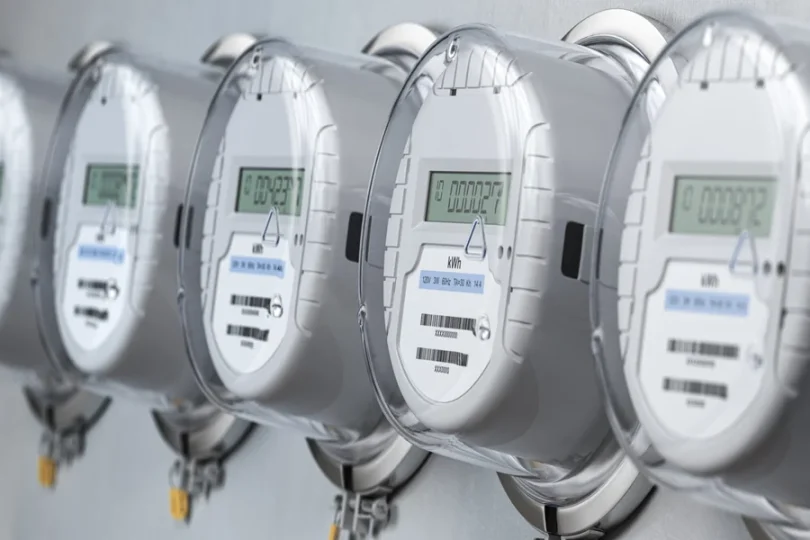
Submetering demands significant infrastructure investment, including individual meters for each unit, data collection systems, and often wireless communication networks to transmit usage data. These systems require professional installation and ongoing calibration to maintain accuracy. The infrastructure complexity increases with building size and layout complexity, particularly in older properties where retrofit installation presents accessibility challenges.
Individual meters require coordination with local utility companies to establish separate service connections for each unit. This process involves infrastructure modifications that extend beyond the property boundaries, often requiring utility company infrastructure upgrades to accommodate multiple service connections. The complexity of individual meter installation varies significantly based on building design and utility company policies.
Operational Complexity and Administrative Requirements
Each approach creates distinct administrative workflows that affect property management efficiency and resource allocation. RUBS administration involves monthly calculation processes, tenant billing, and dispute resolution, but keeps utility account management centralized. Property managers maintain single utility accounts while distributing costs through internal billing systems, creating predictable administrative routines.
Submetering introduces meter reading responsibilities, data management requirements, and equipment maintenance obligations. Property managers must develop systems for collecting usage data, processing billing calculations, and maintaining meter accuracy. The administrative complexity scales with property size and tenant turnover rates, as new tenant connections require meter reading coordination and account setup procedures.
Individual meters transfer most administrative responsibilities to utility companies but create coordination challenges during tenant transitions. Property managers must facilitate utility connection and disconnection processes, coordinate with multiple utility accounts for common area services, and manage situations where individual accounts fall into arrears or disconnection.
Cost Structure Analysis and Financial Implications
The financial impact of each utility billing approach extends beyond simple cost recovery, affecting cash flow patterns, capital requirements, and long-term property economics. Understanding these financial implications requires analysis of both immediate costs and ongoing operational expenses, as well as the risk factors associated with each approach.
RUBS creates immediate cost recovery without capital investment, making it attractive for properties with limited renovation budgets or those seeking quick implementation. The financial model relies on accurate cost allocation formulas that distribute utility expenses proportionally among tenants. However, RUBS exposes property managers to collection risks, as unpaid utility charges remain the property’s responsibility regardless of tenant payment performance.
Submetering requires substantial upfront investment in metering equipment and installation, typically ranging from several hundred to over a thousand dollars per unit depending on utility types and building complexity. This capital investment must be evaluated against improved cost recovery accuracy and reduced collection risk, as tenants receive bills based on actual consumption rather than estimated allocation.
Revenue Recovery and Collection Considerations
Cost recovery effectiveness varies significantly between approaches, influencing overall property profitability and cash flow predictability. RUBS recovery rates depend heavily on tenant payment patterns and lease enforcement practices, as utility charges typically appear as additional rent charges rather than separate utility obligations. This structure can complicate collection efforts and may require specific lease language to ensure enforceability.
Submetering often improves recovery rates by providing tenants with consumption-based billing that demonstrates direct usage responsibility. The transparency of measured consumption reduces tenant disputes and creates stronger payment compliance. However, property managers retain collection responsibility and must manage tenant objections related to meter accuracy or billing calculations.
Individual meters transfer collection responsibility to utility companies, eliminating property manager involvement in utility payment enforcement. This approach provides the most predictable cost recovery outcome, as utility companies handle disconnection procedures and collection activities. The trade-off involves reduced control over tenant utility service and potential complications when service disconnections affect property operations.
Long-term Financial Performance
The extended financial impact of each approach affects property valuation and investment returns over time. RUBS provides consistent cost recovery without depreciation concerns, as the administrative approach requires no equipment maintenance or replacement. However, the proportional allocation method may become less accurate as tenant behavior patterns change or building usage evolves.
Submetering systems require ongoing investment in equipment maintenance, calibration, and eventual replacement. Modern electronic meters typically provide reliable service for extended periods, but property managers must budget for system upgrades and component replacement. The investment in measurement accuracy often produces improved tenant satisfaction and reduced disputes, contributing to tenant retention and property stability.
Individual meters eliminate property-level utility infrastructure investment but may affect tenant satisfaction and leasing dynamics. Properties with individual meters often appeal to tenants who prefer direct utility relationships and consumption-based billing, potentially supporting higher occupancy rates and rental premiums.
Regulatory Compliance and Legal Framework Considerations
The regulatory environment surrounding utility billing in multi-tenant properties continues to evolve, with increasing emphasis on consumer protection and billing accuracy. Each billing approach faces distinct regulatory requirements that affect implementation feasibility and ongoing compliance obligations.
RUBS regulations vary significantly by jurisdiction but typically require specific disclosure practices, calculation method transparency, and tenant notification procedures. Many states have enacted building performance standards that may influence utility billing practices and energy efficiency requirements. Property managers must ensure RUBS formulas comply with local regulations and provide adequate tenant protections against arbitrary cost allocation.
Submetering faces increasing regulatory scrutiny regarding meter accuracy, billing practices, and tenant rights. Some jurisdictions require specific meter certifications, regular calibration procedures, and standardized billing formats. The regulatory framework for submetering continues to develop as more properties adopt consumption-based billing practices.
Consumer Protection Requirements
Each billing approach must address consumer protection standards that vary by location and utility type. RUBS implementations typically require clear disclosure of calculation methods, advance notice of billing changes, and dispute resolution procedures. These requirements aim to prevent arbitrary cost allocation and ensure tenant awareness of billing practices.
Submetering consumer protections often mirror traditional utility regulations, requiring accurate measurement, standardized billing formats, and meter testing rights. Property managers implementing submetering systems must develop procedures that comply with these standards while maintaining operational efficiency.
Individual meters automatically comply with consumer protection standards enforced by utility commissions, as tenants receive the same protections available to all utility customers. This approach eliminates property manager responsibility for consumer protection compliance but may limit flexibility in utility service coordination.
Tenant Relations and Satisfaction Impacts
The choice of utility billing approach significantly influences tenant satisfaction and retention rates, affecting long-term property performance beyond immediate cost recovery benefits. Each system creates different tenant experiences that impact leasing success and community satisfaction.
RUBS often generates tenant skepticism due to allocation methodology concerns and perceived lack of consumption control. Tenants may question the fairness of proportional billing, particularly when individual usage patterns vary significantly from allocation assumptions. Successful RUBS implementation requires clear communication about calculation methods and consistent application of allocation formulas.
Submetering typically improves tenant acceptance by providing consumption-based billing that reflects individual usage patterns. Tenants can see direct connections between consumption behavior and utility costs, encouraging conservation practices and reducing disputes about billing accuracy. The transparency of measured consumption often enhances tenant satisfaction compared to allocation-based approaches.
Consumption Behavior and Conservation Incentives
Different billing approaches create varying incentives for tenant conservation behavior, affecting overall property utility consumption and environmental performance. RUBS provides limited conservation incentives, as individual consumption changes have minimal impact on allocated costs. This dynamic can result in higher overall property consumption and increased utility expenses.
Submetering creates direct consumption accountability that typically reduces overall utility usage through increased tenant awareness and conservation behavior. Properties implementing submetering often experience measurable reductions in total utility consumption, providing additional cost savings beyond improved cost recovery.
Individual meters provide the strongest conservation incentives, as tenants receive direct utility bills that reflect consumption patterns. This approach often produces the greatest consumption reductions and tenant engagement in conservation practices.
Implementation Challenges and Operational Considerations
Each billing approach presents unique implementation challenges that affect project success and ongoing operations. Understanding these challenges helps property managers select approaches that align with operational capabilities and resource availability.
RUBS implementation appears straightforward but requires careful development of allocation formulas, billing systems, and tenant communication strategies. The administrative setup must address calculation accuracy, billing integration, and dispute resolution procedures. Successful RUBS programs require ongoing attention to allocation methodology and tenant education about billing practices.
Submetering implementation involves complex technical and administrative considerations, including meter selection, installation logistics, data collection systems, and billing integration. The project requires coordination between multiple vendors and often involves building modifications that affect tenant access and comfort. Implementation timelines typically extend over several months and require careful project management to minimize tenant disruption.
Technology Integration and System Management
Modern utility billing approaches increasingly rely on technology integration that affects implementation complexity and ongoing operational requirements. RUBS systems benefit from automated calculation and billing software that reduces administrative errors and improves efficiency. However, these systems require ongoing maintenance and updates to ensure accuracy and compliance.
Submetering technology has advanced significantly, with wireless communication systems and automated meter reading capabilities that reduce operational complexity. These technological improvements have made submetering more feasible for smaller properties while improving data accuracy and reducing reading errors. However, technology integration requires ongoing system management and periodic upgrades to maintain effectiveness.
Individual meters rely on utility company technology and systems, eliminating property-level technology management requirements. This approach provides access to advanced utility company systems and customer service capabilities without property-level investment in technology infrastructure.
Market Trends and Future Considerations
The utility metering industry continues evolving in response to regulatory changes, technology advances, and environmental priorities. These trends influence the long-term viability and effectiveness of different billing approaches.
Regulatory trends favor increased billing transparency and tenant protection, potentially affecting RUBS viability in some markets while supporting submetering adoption. Environmental regulations increasingly emphasize consumption measurement and reduction, creating preferences for approaches that provide detailed usage data and conservation incentives.
Technology developments continue improving submetering cost-effectiveness and operational simplicity, making consumption-based billing more accessible to smaller properties. Advanced meter infrastructure and communication systems reduce implementation costs while improving data accuracy and system reliability.
Environmental and Sustainability Factors
Growing emphasis on building sustainability and energy efficiency affects utility billing approach selection, as measured consumption data becomes increasingly valuable for property performance optimization. Submetering and individual meters provide consumption data that supports energy management programs and sustainability reporting requirements.
Green building certifications and environmental regulations increasingly require detailed utility consumption tracking that may favor metered approaches over allocation-based systems. Properties pursuing sustainability goals often find measured consumption data essential for identifying efficiency opportunities and demonstrating performance improvements.
Conclusion
The choice between RUBS, submetering, and individual meters represents a fundamental decision that affects property operations, financial performance, and tenant relationships for years to come. Each approach offers distinct advantages that align with different operational priorities and market conditions. RUBS provides immediate cost recovery with minimal investment, making it suitable for properties with limited capital or simple tenant structures. Submetering offers the balance of consumption accuracy and operational control that many properties find optimal for long-term success. Individual meters provide maximum transparency and conservation incentives while transferring administrative responsibilities to utility companies.
Successful selection requires careful analysis of property characteristics, tenant demographics, regulatory requirements, and long-term operational goals. The utility billing landscape continues evolving, with technology improvements and regulatory changes affecting the relative merits of each approach. Property managers who understand these dynamics and select billing approaches that align with their specific circumstances will achieve better financial performance and tenant satisfaction outcomes.
The decision ultimately depends on balancing immediate cost recovery needs with long-term operational sustainability, tenant satisfaction objectives, and regulatory compliance requirements. Properties that carefully evaluate these factors and implement chosen approaches with attention to operational excellence will realize the benefits each system offers while avoiding common implementation pitfalls.