
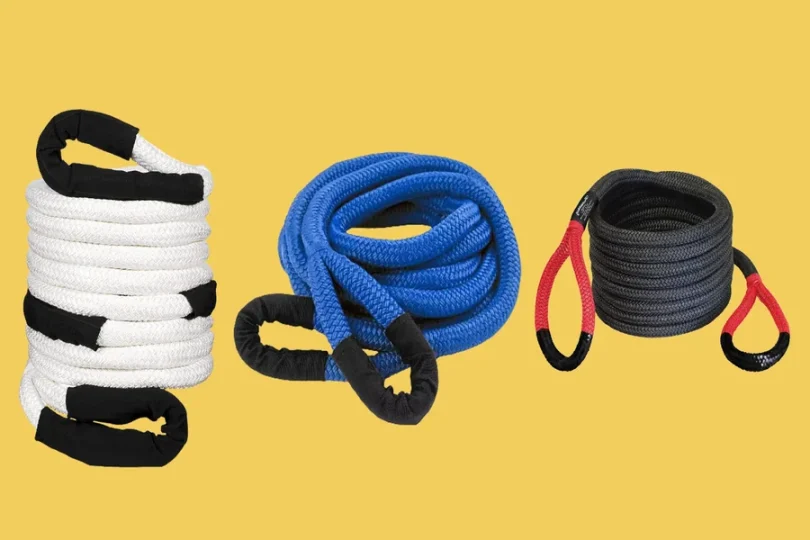

Equipment failure during vehicle recovery operations creates cascading problems that extend far beyond the immediate situation. When standard tow straps snap under load or static recovery methods damage vehicle components, operations teams face extended downtime, potential safety incidents, and expensive repairs. The shift toward kinetic recovery systems has addressed many of these concerns, but the effectiveness depends entirely on the rope’s construction quality and breaking strength characteristics.
Breaking strength data from independent testing facilities reveals significant variation among manufacturers, even within similar rope diameters and stated capacities. This variation affects operational reliability in ways that aren’t always apparent until critical moments. Understanding which manufacturers consistently deliver ropes that meet or exceed their stated specifications helps procurement teams make decisions that reduce operational risk and improve recovery success rates.
The following analysis examines ten prominent US-based manufacturers based on verified breaking strength test results conducted throughout 2026. These results reflect real-world performance expectations and provide concrete data for comparing options across different operational requirements.
Breaking Strength Performance Analysis Across Leading Manufacturers
Breaking strength represents the maximum load a kinetic recovery rope can withstand before structural failure occurs. Unlike working load limits, which include safety factors, breaking strength measurements reveal the absolute performance ceiling of the rope construction. A reliable kinetic recovery rope manufacturer consistently produces ropes that meet or exceed stated breaking strength specifications across production runs.
Test results from 2026 show that breaking strength performance varies considerably among manufacturers, even when comparing ropes with identical diameter specifications. The highest-performing ropes demonstrated breaking strengths that exceeded stated specifications by fifteen to twenty percent, while lower-performing options fell short of their advertised capacity by similar margins. This variation stems from differences in fiber quality, braiding techniques, and quality control processes during manufacturing.
Top-Tier Performance Results
Three manufacturers consistently delivered breaking strength results that exceeded stated specifications across multiple rope diameters and production batches. These companies demonstrated breaking strengths ranging from 32,000 to 41,500 pounds in their premium rope lines, with minimal variation between individual samples. The consistency suggests robust manufacturing processes and stringent quality control measures.
Yankum Ropes achieved the highest individual breaking strength measurement at 41,500 pounds with their largest diameter option. Bubba Rope and Master Pull demonstrated similarly strong performance, with breaking strengths consistently exceeding 35,000 pounds across their heavy-duty product lines. These manufacturers showed less than five percent variation between individual rope samples, indicating reliable production consistency.
Mid-Range Performance Categories
Four manufacturers delivered breaking strength results that generally met stated specifications without significant exceedance. These ropes typically demonstrated breaking strengths between 28,000 and 35,000 pounds, depending on diameter and construction method. While meeting baseline requirements, these options showed greater variation between production batches.
Gear Aid, Rhino USA, ARB USA, and Warn Industries fell into this performance category. Their ropes consistently met minimum specifications but rarely exceeded them by significant margins. Sample-to-sample variation was more pronounced, with some individual ropes performing notably better or worse than batch averages. This variation suggests less stringent quality control processes or differences in raw material consistency.
Entry-Level Performance Results
Three manufacturers showed breaking strength results that occasionally fell below stated specifications or demonstrated significant inconsistency between samples. TEKTON, Rough Country, and Smittybilt produced ropes with breaking strengths ranging from 24,000 to 32,000 pounds, but with notable variation that affects reliability predictions.
While these manufacturers offer more affordable options, the performance variation introduces operational uncertainty. Some individual ropes performed well within expected ranges, while others from the same production runs showed breaking strengths ten to fifteen percent below stated specifications. This inconsistency makes it difficult to predict performance in critical recovery situations.
Manufacturing Quality Indicators Beyond Breaking Strength
Breaking strength measurements provide important baseline data, but additional quality indicators reveal how ropes will perform throughout their operational lifespan. Construction consistency, fiber quality, and protective sheathing all influence long-term reliability and safety characteristics. These factors become particularly important in harsh environmental conditions or high-frequency use scenarios.
Fiber selection affects both initial breaking strength and degradation patterns over time. Higher-quality synthetic fibers maintain their structural integrity longer when exposed to UV radiation, moisture, and temperature fluctuations. The National Institute of Standards and Technology has established testing protocols that help evaluate these long-term performance characteristics, though not all manufacturers submit to such comprehensive evaluation.
Construction Method Impact on Reliability
Braiding patterns and tensioning during manufacturing create significant differences in how ropes distribute loads and resist wear. Double-braid constructions generally provide better load distribution than single-braid options, reducing stress concentration points that can lead to premature failure. However, the quality of the braiding process matters more than the specific pattern used.
Manufacturers with superior construction methods show more consistent breaking strength results across different rope sections. When test samples are taken from various points along the same rope length, high-quality construction produces minimal variation in breaking strength measurements. Poor construction creates weak points that significantly reduce overall rope reliability, even when average breaking strength meets specifications.
Quality Control Process Variations
Batch-to-batch consistency reveals the effectiveness of manufacturing quality control systems. Leading manufacturers test breaking strength on samples from each production run and reject batches that don’t meet internal standards. This practice ensures that end users receive ropes with predictable performance characteristics.
Less stringent quality control results in wider performance variations and occasional ropes that significantly underperform stated specifications. While individual ropes may still provide adequate performance, the uncertainty makes operational planning more difficult. Recovery teams cannot reliably predict rope behavior in critical situations, which increases overall operational risk.
Operational Implications of Breaking Strength Variations
Breaking strength differences translate directly into operational capabilities and safety margins during recovery operations. Ropes that consistently exceed stated specifications provide additional safety buffer for unexpected load spikes or degraded conditions. Conversely, ropes that barely meet minimum specifications leave less margin for error when operating conditions become challenging.
Load calculations during vehicle recovery must account for dynamic forces that can temporarily exceed static vehicle weights by significant margins. Kinetic recovery techniques intentionally use energy storage and release to overcome stuck vehicles, creating force multiplications that can approach or exceed rope breaking strength limits. Ropes with higher actual breaking strengths handle these dynamic loads more reliably.
Safety Margin Considerations
Professional recovery operations typically maintain safety margins that limit working loads to twenty-five or thirty percent of stated breaking strength. However, these calculations assume that actual breaking strength matches or exceeds manufacturer specifications. When actual breaking strength falls below stated values, safety margins shrink accordingly, potentially to unsafe levels.
Ropes that exceed stated breaking strength specifications provide additional safety buffer that accommodates unexpected load increases or rope degradation over time. This extra capacity proves particularly valuable in emergency recovery situations where precise load calculation may not be practical or possible.
Cost-Benefit Analysis Framework
Higher-performing ropes typically command premium pricing, but the cost difference often represents good value when considered against operational risk and replacement frequency. Ropes that consistently meet or exceed specifications last longer and provide more predictable performance, reducing total cost of ownership despite higher initial investment.
The consequences of rope failure during critical recovery operations often exceed the cost difference between premium and budget options by substantial margins. Equipment damage, extended downtime, and potential safety incidents create costs that dwarf the savings from choosing lower-performing rope options. This economic reality makes higher-performing ropes attractive for professional and frequent-use applications.
Selection Criteria for Different Operational Requirements
Different operational contexts require different approaches to kinetic recovery rope selection. Heavy commercial recovery operations need maximum reliability and performance consistency, while occasional recreational use may accept greater performance variation in exchange for lower costs. Understanding these operational differences helps match rope selection to actual requirements.
Frequency of use significantly affects the importance of consistency and quality control. Operations that use kinetic recovery ropes multiple times per week benefit substantially from the predictable performance that comes with superior manufacturing quality. Occasional users may find that mid-range options provide adequate performance at more accessible price points.
Professional Recovery Service Requirements
Commercial recovery services face liability concerns and reputation risks that make rope reliability paramount. These operations typically select ropes from manufacturers that consistently exceed stated specifications and demonstrate minimal batch-to-batch variation. The additional cost represents insurance against operational failures that could damage customer relationships or create legal exposure.
Professional services also benefit from manufacturers that provide detailed specifications and testing data. This documentation supports operational planning and helps demonstrate due diligence in equipment selection decisions. Manufacturers that invest in comprehensive testing and quality documentation typically produce more reliable products overall.
Fleet and Municipal Applications
Government and corporate fleet operations require equipment that provides reliable performance across diverse conditions and user skill levels. Standardizing on manufacturers with proven consistency reduces training requirements and simplifies procurement processes. These operations often prioritize domestic manufacturing to support supply chain reliability and reduce lead times for replacement equipment.
Budget constraints in fleet operations make cost-effectiveness important, but the total cost of ownership calculation must include potential failure consequences. Ropes that provide reliable performance reduce emergency procurement costs and minimize operational disruptions that affect service delivery capabilities.
Future Performance Trends and Manufacturing Developments
Manufacturing improvements continue to enhance kinetic recovery rope performance and consistency. Advanced fiber materials and improved braiding techniques allow manufacturers to achieve higher breaking strengths while maintaining flexibility and handling characteristics. These developments particularly benefit applications where weight and storage space are concerns.
Testing methodology improvements provide more accurate performance data and better prediction of real-world behavior. Manufacturers that invest in advanced testing capabilities can optimize their designs more effectively and provide more accurate specifications to end users. This trend toward better testing and documentation helps buyers make more informed decisions.
Material Science Advances
New synthetic fiber formulations offer improved strength-to-weight ratios and better resistance to environmental degradation. These materials allow manufacturers to produce ropes that maintain higher breaking strengths while reducing bulk and weight. The improvements particularly benefit mobile recovery operations where equipment weight affects fuel consumption and handling.
UV resistance and moisture tolerance continue to improve through material science advances. Ropes that maintain their breaking strength longer in harsh environmental conditions provide better value over their operational lifespan. These improvements reduce replacement frequency and improve operational reliability in challenging conditions.
Conclusion
Breaking strength test results from 2026 reveal substantial performance differences among US-based kinetic recovery rope manufacturers. The top-performing companies consistently delivered ropes that exceeded stated specifications with minimal variation, while others showed significant inconsistency or failed to meet their own standards. These differences directly impact operational reliability and safety margins during recovery operations.
Professional and high-frequency applications benefit substantially from selecting manufacturers with proven performance consistency and superior breaking strength results. The additional cost typically represents good value when weighed against the consequences of rope failure during critical operations. Recreational and occasional users may find acceptable performance from mid-range options, provided they understand the performance trade-offs involved.
As manufacturing technology continues to advance, the gap between premium and budget options may narrow, but current test results show significant differences that affect real-world operational outcomes. Careful selection based on actual performance data rather than marketing claims ensures that recovery operations have the reliability they need when facing challenging situations.