
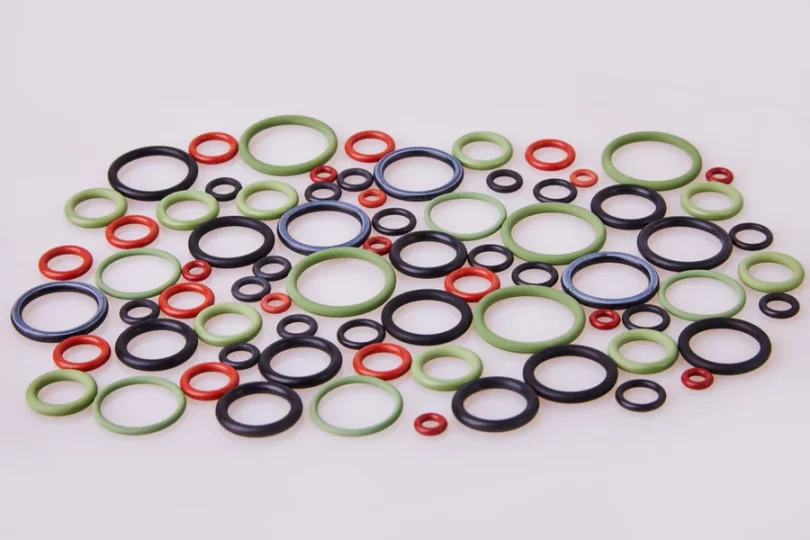

Manufacturing operations in food processing, pharmaceutical production, and beverage systems depend on sealing components that maintain product integrity while withstanding frequent cleaning cycles and temperature fluctuations. The choice of o-ring material directly affects contamination risk, regulatory compliance, and operational reliability. When sealing failures occur, entire production runs face rejection, equipment requires extensive cleaning, and facilities risk regulatory violations that can shut down operations for weeks.
Different elastomer materials present varying levels of contamination risk based on their chemical composition, surface characteristics, and resistance to cleaning agents. Understanding these differences becomes critical when production managers must balance material costs against the potential expense of product recalls, regulatory penalties, and equipment downtime. The conventional assumption that silicone represents the safest choice for all food applications overlooks important considerations about specific operating conditions and contamination pathways.
Understanding Contamination Risk Factors in Food Grade Sealing
Contamination risk in food processing environments stems from multiple factors that interact with sealing materials in complex ways. Surface porosity allows bacterial growth and makes thorough cleaning difficult, while chemical leaching introduces foreign substances into food products. Temperature cycling causes material degradation that creates particle shedding, and inadequate chemical resistance leads to seal deterioration that compromises system integrity.
The selection of appropriate food grade o rings requires evaluation of these risk factors against specific application requirements. Materials that perform well in dry storage environments may fail rapidly when exposed to acidic cleaning solutions or high-temperature sterilization cycles. Similarly, compounds that resist chemical attack might exhibit poor performance under mechanical stress or thermal shock conditions.
Chemical Leaching and Migration Concerns
Chemical migration represents one of the most serious contamination risks because it introduces potentially harmful substances directly into food products. Certain elastomer formulations contain additives, plasticizers, or curing agents that can migrate into food systems over time. This migration accelerates at elevated temperatures and when seals contact acidic or fatty food products that act as extraction solvents.
Regulatory bodies have established strict limits for chemical migration, but these standards vary between applications and geographic regions. Materials that meet requirements for ambient-temperature applications may exceed migration limits when used in hot-fill processes or steam sterilization systems. The cumulative effect of multiple sealing points in complex processing equipment can amplify these concerns.
Surface Characteristics and Cleanability
The microscopic surface structure of o-ring materials significantly impacts their cleanability and bacterial resistance. Smooth, non-porous surfaces allow thorough removal of food residues and cleaning agents, while rough or porous surfaces create hiding places for bacteria and organic matter. These surface irregularities become more pronounced as seals age and undergo repeated cleaning cycles.
Material hardness also affects cleanability because softer compounds tend to trap particles and retain cleaning solutions that can later contaminate food products. The balance between flexibility needed for effective sealing and firmness required for easy cleaning becomes particularly important in applications involving particulate foods or aggressive sanitizers.
Material Rankings Based on Contamination Risk Assessment
Ranking elastomer materials by contamination risk requires consideration of multiple performance factors rather than simple material categories. The following assessment considers chemical inertness, surface characteristics, regulatory compliance, and real-world performance data from food processing applications.
Lowest Risk Materials (Ranks 1-3)
Perfluoroelastomer compounds occupy the lowest risk category due to their exceptional chemical inertness and smooth surface characteristics. These materials resist virtually all cleaning chemicals and food products while maintaining stable surface properties over extended service periods. However, their high cost limits applications to critical sealing points where contamination risk must be minimized regardless of expense.
Ethylene propylene diene monomer formulations specifically designed for food contact rank second in contamination resistance. These compounds offer excellent cleanability, low migration potential, and broad chemical resistance at moderate cost. Their performance remains consistent across typical food processing temperature ranges while resisting degradation from repeated sterilization cycles.
Fluorocarbon elastomers designed for food applications provide the third-lowest contamination risk through superior chemical resistance and minimal swelling in cleaning solutions. These materials maintain dimensional stability during thermal cycling and resist attack from acids, bases, and sanitizing chemicals commonly used in food processing facilities.
Moderate Risk Materials (Ranks 4-6)
Nitrile compounds formulated for food grade applications present moderate contamination risk due to their variable resistance to different food products and cleaning agents. High-quality nitrile formulations perform well in many applications, but their performance can degrade rapidly when exposed to certain oils, alcohols, or steam sterilization processes.
Natural rubber compounds certified for food contact offer good performance in specific applications but exhibit higher migration potential than synthetic alternatives. Their susceptibility to oxidation and ozone attack creates surface changes that can harbor bacteria and make thorough cleaning difficult over time.
Standard silicone formulations rank in the moderate risk category despite their widespread use in food applications. While silicone offers excellent temperature resistance and flexibility, many formulations contain additives that can migrate into food products. Additionally, silicone surfaces can become tacky or degraded when exposed to certain cleaning chemicals or acidic foods.
Higher Risk Materials (Ranks 7-10)
Chloroprene elastomers present increased contamination risk due to their susceptibility to swelling in oils and their potential for chlorine migration. These materials may perform adequately in limited-contact applications but become problematic in direct food contact or high-temperature environments.
Polyurethane sealing materials exhibit variable contamination risk depending on their specific formulation, but many contain additives that can migrate into food systems. Their tendency to absorb moisture and food products makes thorough cleaning challenging and creates opportunities for bacterial growth.
Butyl rubber compounds occupy the higher risk category due to their high gas permeability and susceptibility to oxidation. While these materials offer good chemical resistance in some applications, their surface characteristics change over time in ways that increase contamination potential.
General-purpose elastomer materials not specifically formulated for food contact represent the highest contamination risk. These compounds often contain additives, accelerators, and fillers that exceed regulatory limits for food contact applications. Their unpredictable performance in food processing environments makes them unsuitable for any application involving direct or indirect food contact.
Operating Conditions That Influence Material Performance
The contamination risk ranking of different materials changes significantly based on specific operating conditions within food processing systems. Temperature extremes accelerate chemical migration and surface degradation, while pH conditions affect material stability and cleaning effectiveness. Understanding these relationships helps operations managers select appropriate materials for their specific applications.
Temperature Cycling Effects
Repeated temperature changes create stress patterns in elastomer materials that can lead to surface cracking, dimensional changes, and accelerated aging. Materials that rank low in contamination risk under steady-state conditions may become problematic when subjected to frequent heating and cooling cycles. Steam sterilization processes create particularly challenging conditions because they combine high temperatures with moisture and pressure changes.
The rate of temperature change often proves more damaging than absolute temperature levels. Rapid cooling or heating can cause differential thermal expansion that creates stress concentrations at seal interfaces. These stress patterns can compromise sealing effectiveness and create pathways for contamination.
Chemical Cleaning Compatibility
Different cleaning and sanitizing chemicals interact with elastomer materials in ways that affect their contamination risk profile. Chlorine-based sanitizers can cause oxidation and surface degradation in many elastomer types, while caustic cleaning solutions may extract additives or cause swelling that compromises sealing performance.
According to the FDA Food Additive Status List, the frequency and concentration of chemical cleaning cycles multiply these effects over time. Materials that initially exhibit low contamination risk may develop problems after extended exposure to aggressive cleaning regimens. The residual presence of cleaning chemicals in elastomer materials can also create taste and odor problems in sensitive food products.
Regulatory Compliance Considerations
Food grade o ring selection must account for varying regulatory requirements across different markets and applications. Compliance standards differ between direct food contact applications and indirect contact situations, while specific food types may impose additional restrictions on acceptable materials and migration limits.
Direct vs. Indirect Food Contact Classifications
Direct food contact applications require materials that meet the most stringent purity and migration standards because the elastomer surface directly touches food products during processing or storage. These applications typically involve product transfer lines, storage tank seals, and processing equipment that handles food during production steps.
Indirect contact classifications apply to sealing applications where the elastomer may influence food products through migration or contamination but does not directly touch the food. These applications include utility line seals, equipment housing seals, and components that contact cleaning solutions or steam that later contacts food products. While indirect contact allows broader material choices, contamination risk assessment remains important because failures can still affect food safety.
Industry-Specific Requirements
Different sectors within food processing impose varying material requirements based on their specific contamination risks and regulatory oversight. Dairy processing facilities often require materials that resist fat extraction and maintain performance during frequent hot water cleaning cycles. Pharmaceutical manufacturing demands materials that meet stricter purity standards and provide complete traceability of raw material sources.
Beverage production creates unique challenges because carbonation, alcohol content, and acidic conditions affect material compatibility in ways that may not apply to other food processing applications. These industry-specific factors can shift the relative contamination risk ranking of different materials depending on the intended application.
Long-Term Performance and Maintenance Implications
The contamination risk profile of food grade o rings changes over their service life as materials age, surfaces degrade, and operating conditions take their cumulative toll. Understanding these long-term performance trends helps maintenance teams develop appropriate inspection and replacement schedules that maintain food safety while optimizing operational costs.
Predictable Degradation Patterns
Different elastomer materials exhibit characteristic degradation patterns that affect their contamination risk over time. Some materials maintain consistent performance for extended periods before experiencing rapid deterioration, while others show gradual degradation that may go unnoticed until contamination problems develop.
Surface changes represent one of the most significant long-term concerns because they directly affect cleanability and bacterial resistance. Materials that initially provide smooth, non-porous surfaces may develop roughness, cracking, or chemical changes that increase contamination risk. Recognition of these patterns allows maintenance teams to schedule replacements before contamination problems develop.
Environmental stress cracking can develop in certain materials when they experience prolonged exposure to specific chemicals or operating conditions. These microscopic cracks create bacterial hiding places and make thorough cleaning impossible, effectively transforming low-risk materials into contamination sources.
Cost-Benefit Analysis of Material Selection
Higher-performance materials that rank lower in contamination risk typically carry significantly higher initial costs than standard elastomer compounds. However, the total cost of ownership calculation must include potential expenses from contamination incidents, regulatory compliance issues, and increased maintenance requirements associated with higher-risk materials.
Product recall costs can easily exceed the material savings from choosing lower-grade sealing components by orders of magnitude. Regulatory penalties and facility shutdowns create additional financial risks that make premium sealing materials economically attractive in critical applications. The analysis becomes more complex when considering the cumulative effect of hundreds or thousands of sealing points throughout a processing facility.
Conclusion
The contamination risk ranking of food grade o ring materials reveals that material selection requires careful consideration of specific application requirements rather than reliance on conventional assumptions. While silicone compounds offer valuable properties for many food processing applications, they do not represent the lowest contamination risk option across all operating conditions and regulatory requirements.
Perfluoroelastomer and specially formulated EPDM compounds provide superior contamination resistance in critical applications, while fluorocarbon elastomers offer an excellent balance of performance and cost for many food processing systems. The selection process must account for operating temperatures, chemical exposure, cleaning requirements, and regulatory compliance standards specific to each application.
Long-term performance considerations and total cost of ownership calculations support the selection of higher-quality materials in applications where contamination risk creates significant operational and financial exposure. Understanding the relationship between material properties, operating conditions, and contamination risk enables food processing operations to maintain product safety while optimizing system reliability and regulatory compliance.