
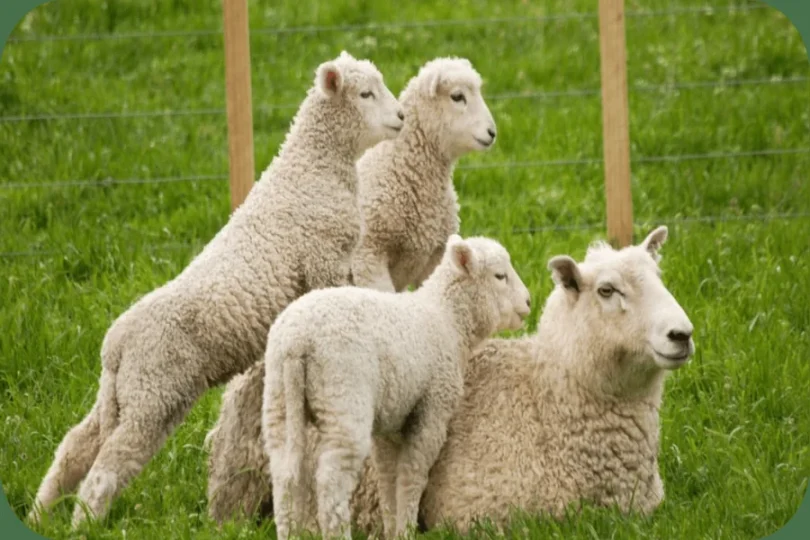

Pasture-raised lamb has become increasingly popular among chefs and home cooks who value both flavor and ethical sourcing. Unlike conventionally raised lamb, which may be finished on grain or confined to feedlots, pasture-raised lamb spends its life grazing on open fields, feeding on a natural diet of grasses and wild plants. This approach not only impacts the animal’s welfare but also influences the taste, texture, and nutritional profile of the meat. Understanding what sets pasture-raised lamb apart can help consumers make informed choices and appreciate the unique qualities that this type of lamb brings to the table.
What sets pasture-raised lamb apart
The impact of pasture on flavor
The flavor of lamb is deeply influenced by the animal’s diet and environment. Pasture-raised lambs graze on a variety of grasses, herbs, and wildflowers, which impart subtle, complex flavors to the meat. This natural diet leads to a taste profile that is often described as earthy, clean, and slightly sweet, with a depth that grain-fed lambs rarely achieve. The diversity of forage available in pastures means that the flavor can vary depending on the region and the season, giving each cut a unique character. The open environment also allows lambs to exercise more, which contributes to a firmer texture and a more satisfying mouthfeel. These qualities make pasture-raised lamb a favorite among those who appreciate nuanced flavors and a more authentic eating experience.
Nutritional benefits of pasture-raised lamb
Pasture-raised lamb is not only prized for its flavor but also for its nutritional advantages. Animals that graze freely on grass tend to have higher levels of beneficial nutrients compared to those raised on grain-based diets. The meat from pasture-raised lambs typically contains more omega-3 fatty acids, which are known for supporting heart health and reducing inflammation. It is also richer in vitamins such as vitamin E and beta-carotene, as well as antioxidants that help protect the body from oxidative stress. The leaner fat profile of pasture-raised lamb means that it is lower in saturated fat, making it a healthier choice for those mindful of their diet. These nutritional differences are a direct result of the lamb’s natural lifestyle and diet, which cannot be replicated in confined feeding operations. For those seeking a wholesome and nutrient-dense protein source, pasture-raised lamb stands out as a superior option.
How pasture-raising affects texture and tenderness
The texture and tenderness of lamb are closely linked to how the animals are raised. Pasture-raised lambs are more active, roaming fields and hillsides as they graze. This increased movement leads to well-developed muscles, which can result in a firmer texture compared to grain-fed lamb. However, this does not mean the meat is tough; rather, it offers a satisfying bite and a more substantial mouthfeel. The natural diet and slower growth rate of pasture-raised lambs also contribute to a finer grain and more even marbling, which enhances juiciness and flavor retention during cooking. When preparing a Rack of lamb crown, these qualities become especially apparent, as the meat remains moist and flavorful, with a delicate balance of tenderness and structure. The combination of exercise, diet, and natural growth creates a product that is both enjoyable to eat and rewarding to cook.
Environmental and ethical considerations
Raising lambs on pasture has significant environmental and ethical implications. Pasture-based systems promote animal welfare by allowing lambs to express natural behaviors, such as grazing, roaming, and socializing with the flock. This approach reduces stress and supports healthier animals, which in turn leads to higher quality meat. Environmentally, pasture-raising can contribute to soil health, biodiversity, and carbon sequestration, as well-managed grazing encourages plant growth and prevents overgrazing. Unlike intensive feedlot operations, pasture systems typically use fewer resources and produce less waste, making them a more sustainable choice. Consumers who prioritize ethical sourcing and environmental stewardship often prefer pasture-raised lamb for these reasons, knowing that their purchase supports responsible farming practices and the well-being of both animals and the land.
Cooking with pasture-raised lamb
Cooking pasture-raised lamb requires a slightly different approach than conventional lamb due to its unique texture and flavor profile. The leaner fat content and firmer texture mean that careful attention should be paid to cooking times and temperatures to avoid overcooking. Slow roasting, braising, or grilling over moderate heat can help preserve the natural juiciness and highlight the complex flavors developed through pasture grazing. Marinades and rubs made with fresh herbs, garlic, and citrus can complement the earthy notes of the meat without overpowering its natural taste. When preparing dishes such as roasts or chops, allowing the meat to rest after cooking ensures that juices are redistributed, resulting in a tender and flavorful meal. The versatility of pasture-raised lamb makes it suitable for a wide range of recipes, from traditional stews to elegant centerpieces for special occasions.
A unique dining experience
Enjoying pasture-raised lamb is about more than just taste; it is an experience that connects diners to the land and the traditions of sustainable farming. The distinct flavors, nutritional benefits, and ethical considerations all contribute to a meal that is both satisfying and meaningful. Whether served at a family gathering or a festive celebration, pasture-raised lamb offers a memorable culinary experience that reflects the care and dedication of those who raise it.
Conclusion
Pasture-raised lamb stands out for its rich, nuanced flavor, superior nutritional profile, and ethical production methods. The natural diet and active lifestyle of the animals result in meat that is both delicious and wholesome, offering a unique alternative to conventionally raised lamb. Choosing pasture-raised lamb supports sustainable agriculture and animal welfare, while providing a dining experience that is deeply connected to the land. For those seeking quality, taste, and a sense of responsibility in their food choices, pasture-raised lamb delivers on every front, making it a valued addition to any table.