
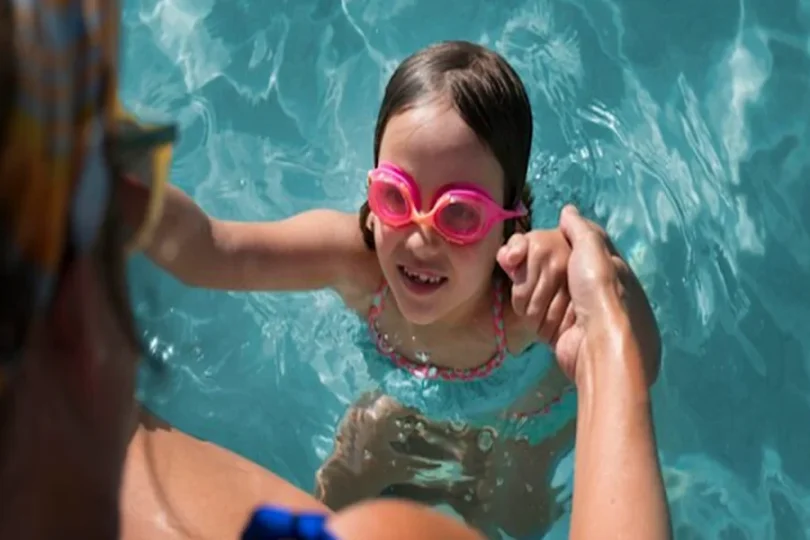

Swimming is an essential life skill, particularly in a country like Singapore, where water-based activities are common. From public pools to beaches and recreational facilities, children are frequently exposed to aquatic environments. Kids’ swimming lessons play a vital role in helping children develop water safety awareness, physical coordination, and confidence through structured and age-appropriate instruction.
The Importance of Swimming Education for Children
Children are naturally curious and active, especially around water. Without proper training, this curiosity can present safety risks. Swimming lessons teach children how to move safely in water, manage breathing, and remain calm in unfamiliar situations. These foundational skills significantly reduce the risk of water-related accidents.
In Singapore, swimming is also part of the national physical education curriculum, reinforcing its importance as a core life skill. Early swimming education helps children adapt more easily to formal lessons later in school and supports long-term skill retention.
Physical Benefits of Swimming for Kids
Swimming is a low-impact, full-body activity that supports healthy physical development. It strengthens muscles, improves flexibility, and enhances balance and coordination. Because water reduces strain on joints, swimming is suitable for children of all fitness levels.
Regular swimming lessons improve cardiovascular health and lung capacity through rhythmic movement and controlled breathing. These physical benefits contribute to overall stamina and endurance. Swimming also promotes proper posture and body awareness, which can support a child’s growth and development.
For many children, swimming provides a positive outlet for physical energy. Consistent participation in lessons can help improve sleep quality, focus, and general well-being.
Cognitive and Emotional Development
Beyond physical fitness, swimming lessons support cognitive and emotional growth. Learning swimming techniques requires concentration, listening skills, and memory. Children must understand instructions, observe demonstrations, and apply feedback, which strengthens learning habits.
Swimming also encourages emotional resilience. Children are guided to overcome fear, adapt to new environments, and practice patience as they develop skills. Achieving milestones such as floating independently or completing a lap builds confidence and a sense of accomplishment.
Group lessons further enhance social development. Children learn to follow routines, respect rules, and interact positively with peers. These experiences help foster cooperation, communication, and discipline.
At the center of effective aquatic education are structured kids swimming lessons Singapore that emphasize safety, gradual skill progression, and supportive instruction suited to each child’s age and ability.
What Children Learn in Swimming Lessons
Swimming lessons typically begin with water familiarisation. Children learn how to enter the pool safely, float, and control their breathing. These basic skills help children feel comfortable and reduce anxiety in the water.
As confidence increases, lessons introduce fundamental strokes such as freestyle and backstroke. Children also practice coordinated movement, kicking techniques, and treading water. Over time, lessons may focus on improving stroke efficiency, endurance, and basic water survival skills.
Safety education remains a priority throughout all stages. Children are taught pool rules, awareness of surroundings, and appropriate responses to unexpected situations. These lessons help build respect for water and encourage responsible behaviour.
Long-Term Value of Learning to Swim
Swimming is a lifelong skill that continues to offer benefits well into adulthood. Children who learn to swim early are more likely to remain active swimmers later in life, using swimming for exercise, recreation, or relaxation.
In Singapore, strong swimming skills may also open opportunities for participation in school teams, competitions, or other aquatic activities. Even for children who do not pursue swimming competitively, the ability to swim confidently enhances personal safety and independence.
Swimming lessons also help children develop discipline and goal-setting skills. Following instructions, attending lessons consistently, and working toward improvement foster responsibility and perseverance.
Choosing the Right Swimming Programme in Singapore
Selecting an appropriate swimming programme is essential for effective learning. Factors such as instructor qualifications, class size, lesson structure, and safety standards should be considered. Smaller class sizes often allow for more personalized attention, which can support faster skill development.
Programmes that group children by age and ability help ensure lessons remain engaging and manageable. A structured progression system allows children to advance at a comfortable pace without feeling overwhelmed.
Consistency is equally important. Regular attendance helps reinforce techniques and build muscle memory. With consistent practice, children gain confidence and retain skills more effectively.
Conclusion
Kids’ swimming lessons in Singapore provide essential benefits that extend beyond the pool. Through structured and supportive instruction, children develop water safety awareness, physical strength, and emotional confidence. Swimming lessons also promote discipline, social skills, and long-term health. Investing in quality swimming education ensures children are equipped with a valuable life skill that supports safety, independence, and well-being as they grow.