
Hokkaido, Japan’s northernmost main island, is known for its wide-open landscapes, changing seasons, distinctive food and fascinating cultural heritage. Unlike the busy streets and dense urban areas found in some other parts of Japan, Hokkaido offers a more spacious and relaxed travel experience. A Hokkaido land tour provides an opportunity to explore different parts of the island while experiencing its mountains, lakes, historic towns, local cuisine and traditional culture. With attractions spread across the region, Hokkaido offers something interesting for travellers throughout the year.
Discovering Hokkaido’s Natural Beauty
Nature is one of Hokkaido’s biggest attractions. The island is home to large national parks, forests, mountains, lakes and coastal areas that offer plenty of opportunities for outdoor exploration. Shiretoko National Park is one of the most recognised natural areas in the region and is valued for its rich wildlife and relatively untouched environment. Its forests, waterfalls, coastline and mountain scenery make it an appealing destination for travellers who enjoy being close to nature.
Daisetsuzan National Park provides another impressive setting. As Japan’s largest national park, it covers a vast mountainous area with hiking routes, alpine scenery and seasonal changes. During warmer months, visitors can explore walking trails and enjoy the fresh mountain air, while autumn brings colourful foliage across the landscape.
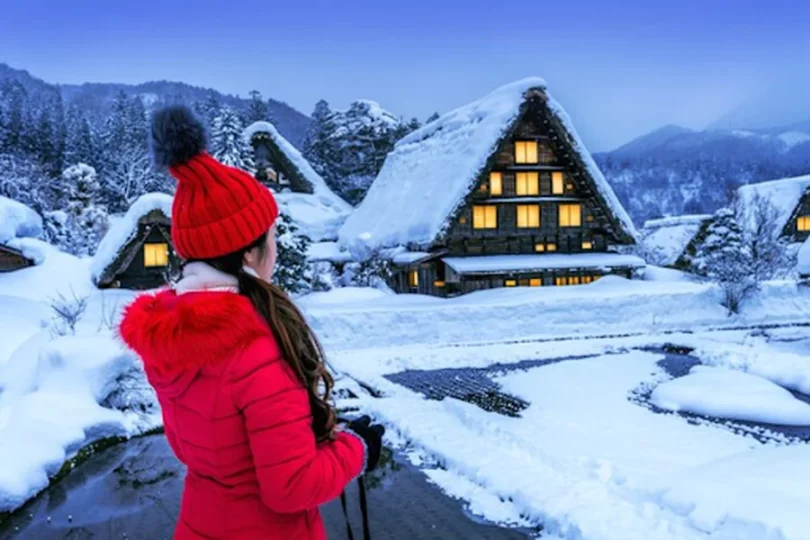
Hokkaido’s scenery changes dramatically during winter. Heavy snowfall covers many areas, creating ideal conditions for skiing and snowboarding. Niseko is internationally known for its powder snow, while Furano and Tomamu also attract winter sports enthusiasts. These destinations combine outdoor activities with mountain scenery, comfortable accommodation and opportunities to experience Hokkaido’s winter atmosphere.
Summer offers a completely different side of the island. Warmer weather makes it easier to explore by bicycle, walk through rural areas and visit flower fields. Lavender, sunflowers and other seasonal blooms add colour to the countryside, particularly around Furano and Biei.
Experiencing Hokkaido’s Local Food
Food is an important part of travelling through Hokkaido. The island has fertile agricultural land and access to rich fishing waters, allowing it to produce a wide range of fresh ingredients. Seafood, dairy products, vegetables and grains all play an important role in local cuisine.
Sapporo is particularly famous for its miso ramen. The rich broth makes it a popular choice during Hokkaido’s colder months, and visitors can find different versions of the dish throughout the city. Seafood is another major part of the local food scene. Crab, salmon, sea urchin and other fresh catches are commonly served in restaurants and markets.
Kaisendon is a popular choice for seafood lovers. This dish combines rice with a selection of fresh raw seafood, allowing diners to enjoy several local flavours in one meal. Hokkaido is also known for its dairy products, including fresh milk, cheese, butter and ice cream. The island’s farming conditions contribute to the popularity of these products.
Travellers can also try regional dishes such as jingisukan, a style of grilled lamb named after Genghis Khan. Local sweets are another part of the experience, with products such as Shiroi Koibito and Royce chocolates often purchased as gifts or souvenirs.
Learning About Ainu Heritage
Hokkaido’s cultural identity is closely connected to the history of the Ainu, the Indigenous people of northern Japan. Their traditions include distinctive crafts, music, clothing, language and spiritual practices connected to the natural world.
Visitors can learn about Ainu history through museums, cultural centres and exhibitions across Hokkaido. These places provide opportunities to understand how Ainu communities lived and how their cultural traditions have been maintained and shared with wider audiences.
Festivals also provide a lively way to experience local culture. The Sapporo Snow Festival is one of Hokkaido’s best-known annual events, attracting visitors with large snow and ice sculptures during winter. The Yosakoi Soran Festival provides a different atmosphere, combining energetic dance performances with traditional influences and modern choreography.
Visiting Famous Attractions and Quiet Places
Hokkaido has many well-known attractions, but some of its most memorable experiences can also be found away from major cities. Lake Shikotsu is admired for its clear waters and surrounding mountain scenery, while Lake Toya provides beautiful views and access to nearby hot spring areas.
The Blue Pond in Biei is another popular stop. Its striking blue colour creates an unusual scene that changes depending on weather and lighting conditions. Cape Kamui offers dramatic coastal views, with the sea stretching around the rocky coastline.
Otaru provides a different kind of sightseeing experience. Once an important port and herring-trading centre, the city retains historic buildings and a charming canal area. Visitors can explore old streets, shops, cafés and glass workshops while learning about Otaru’s role in Hokkaido’s development.
Exploring Local Crafts and Shopping
Shopping in Hokkaido is more than simply buying souvenirs. Local products can provide a connection to the island’s culture and craftsmanship. Ainu-inspired crafts, traditional embroidery and Nibutani woodwork are examples of handmade products that reflect regional artistic traditions.
Hokkaido’s food products are also popular gifts. Chocolate, biscuits, sweets and dairy-based treats are widely available in airports, department stores and specialist shops. Travellers can easily find packaged products that are suitable for taking home.
Hakodate is known for its glasswork, while Sapporo has developed a strong craft beer culture. Exploring local shops and markets can therefore become part of the travel experience rather than simply a final stop before heading home.
Relaxing in Hokkaido’s Hot Springs
After spending time outdoors, visitors can relax in one of Hokkaido’s many hot spring areas. Known as onsen in Japan, these natural thermal baths are an important part of Japanese bathing culture.
Noboribetsu is among the island’s most famous hot spring destinations. Its Jigokudani, or Hell Valley, features steaming volcanic vents, pools and rocky terrain. The surrounding landscape creates a dramatic setting and gives visitors an opportunity to see evidence of Hokkaido’s geothermal activity.
Different onsen towns have their own atmosphere and mineral-rich waters. Beyond relaxation, visiting an onsen can provide travellers with an insight into an everyday Japanese tradition that places importance on quiet time and bathing.
Supporting Responsible Travel
Hokkaido’s natural environment is one of the reasons it attracts so many visitors, making responsible tourism increasingly important. Conservation projects, wildlife protection and sustainable farming initiatives help support the island’s environment and communities.
Some tourism providers also focus on smaller group experiences and educational activities that encourage visitors to understand local ecosystems. Eco-friendly accommodation and businesses that use regional products can further contribute to local communities while reducing unnecessary environmental impact.
Travellers can also play a role by respecting natural areas, following local guidelines and avoiding activities that disturb wildlife or damage the environment. Small choices can help protect the landscapes that make Hokkaido special.
Getting Around Hokkaido
Although Hokkaido is large, travelling around the island is made easier by its transport network. New Chitose Airport provides an important gateway for international and domestic visitors, particularly those heading to Sapporo and surrounding areas.
Rail services connect several major destinations, while buses and local transport provide access to smaller towns and attractions. The Hokkaido Shinkansen also provides a rail connection between Hokkaido and the northern part of Honshu, making travel between the islands more convenient.
Hokkaido combines natural scenery, local traditions, distinctive food and modern travel facilities in one destination. From mountain trails and winter resorts to historic towns, hot springs and cultural centres, the island provides a wide variety of experiences. Whether visiting during the colourful summer months, the peaceful autumn season or the snowy winter period, travellers can discover a different side of Hokkaido with every journey.