
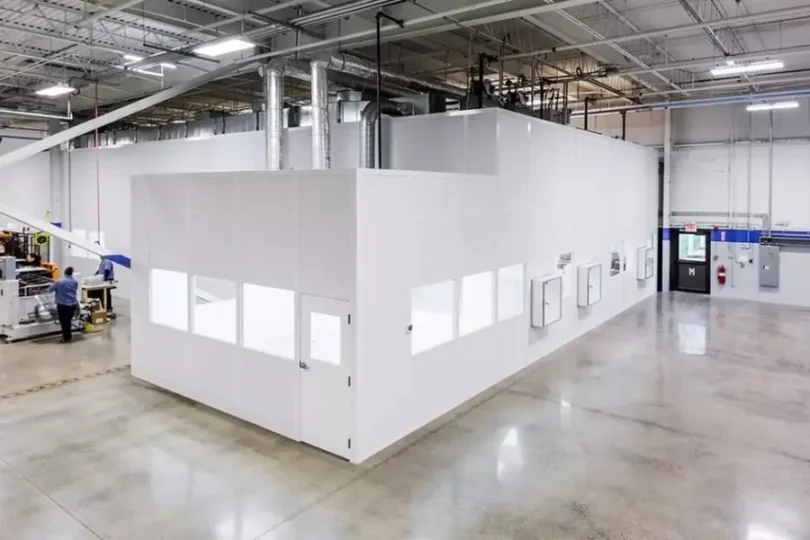

Pharmaceutical manufacturers operating in the United States face a complex regulatory environment where multiple cleanroom standards can apply to the same facility. Companies must navigate both international standards like ISO 14644 and domestic FDA regulations under 21 CFR Part 211, each with distinct requirements for cleanroom classification, monitoring, and validation. This dual framework creates operational challenges when determining which standards to follow, how to reconcile differences between them, and what validation protocols will satisfy regulatory inspectors.
The stakes are considerable. Cleanroom validation failures can result in production shutdowns, product recalls, and regulatory citations that impact market access. Manufacturing teams need clarity on when each standard applies, where they align or conflict, and how to structure validation programs that meet both sets of requirements without redundant testing or documentation burdens.
Understanding the Fundamental Differences Between ISO 14644 and FDA 21 CFR Part 211
ISO 14644 and FDA 21 CFR Part 211 represent two distinct approaches to cleanroom control and validation. ISO 14644 functions as a comprehensive international standard specifically designed for cleanroom classification and monitoring, providing detailed technical specifications for particle counting, air change rates, and environmental controls. The standard establishes nine cleanliness classes based on particle concentration limits and requires specific sampling procedures and frequencies for ongoing monitoring.
FDA 21 CFR Part 211, conversely, operates as a broader regulatory framework governing current Good Manufacturing Practices for finished pharmaceuticals. While it includes cleanroom requirements, these appear within the context of overall manufacturing quality systems rather than as standalone technical specifications. The regulation emphasizes validation of cleaning procedures, environmental monitoring programs, and documentation practices that demonstrate ongoing control.
For pharmaceutical companies seeking comprehensive guidance on implementing both standards effectively, resources like this Cleanroom Validation Services Pharmaceutical Industry guide provide detailed frameworks for reconciling different regulatory requirements within unified validation programs.
The practical difference becomes evident in how each standard addresses validation activities. ISO 14644 requires specific performance tests including airflow visualization, particle counting, and recovery time studies, with defined acceptance criteria and testing frequencies. FDA 21 CFR Part 211 mandates validation of systems and processes but allows more flexibility in defining specific test methods and acceptance criteria, provided companies can demonstrate that their chosen approach ensures product quality and safety.
Scope and Application Differences
ISO 14644 applies to any cleanroom environment regardless of industry, making it broadly applicable but sometimes lacking in pharmaceutical-specific requirements. The standard addresses cleanroom design, construction, startup, and operation but does not specifically address pharmaceutical manufacturing processes or product contamination risks. Companies using ISO 14644 must supplement it with additional pharmaceutical-specific requirements to ensure complete regulatory compliance.
FDA 21 CFR Part 211 applies exclusively to pharmaceutical manufacturing facilities producing drugs for the US market. The regulation integrates cleanroom requirements with broader quality system expectations, including personnel training, equipment qualification, and change control procedures. This integration means that cleanroom validation under 21 CFR Part 211 must demonstrate not only environmental control but also the relationship between environmental conditions and product quality.
Classification and Monitoring Approaches
The standards diverge significantly in their classification systems and monitoring requirements. ISO 14644 uses a logarithmic classification system with nine classes, ranging from ISO Class 1 (the cleanest) to ISO Class 9. Each class specifies maximum allowable particle concentrations for different particle sizes, with detailed sampling procedures and statistical analysis requirements for classification verification.
FDA 21 CFR Part 211 does not establish specific cleanliness classes but requires companies to define and justify their environmental specifications based on product requirements and contamination risks. This approach places greater responsibility on manufacturers to establish appropriate cleanliness levels and demonstrate through validation that these levels adequately protect product quality. The regulation emphasizes trend analysis and investigation of environmental excursions rather than strict adherence to predefined particle limits.
Regulatory Compliance Requirements and Validation Protocols
Compliance with either standard requires comprehensive validation protocols, but the specific requirements and documentation expectations differ substantially. Understanding these differences enables pharmaceutical manufacturers to design validation programs that satisfy both regulatory frameworks without unnecessary duplication or conflicting requirements.
ISO 14644 establishes mandatory performance tests that must be conducted during cleanroom qualification and ongoing monitoring. These tests include airflow velocity measurements, airflow visualization studies, particle counting, pressure differential verification, and recovery time studies. The standard specifies exact procedures for each test, including sampling locations, sample sizes, and acceptance criteria. Companies must repeat these tests at defined intervals to maintain cleanroom certification.
FDA 21 CFR Part 211 requires validation of environmental monitoring systems and cleaning procedures but provides more flexibility in test selection and execution. The regulation mandates that companies establish monitoring programs appropriate for their specific operations and demonstrate through data that these programs effectively detect environmental conditions that could impact product quality. Validation must include worst-case scenarios and demonstrate system capability under normal and challenged conditions.
Documentation and Record-Keeping Standards
Documentation requirements under each standard reflect their different regulatory philosophies. ISO 14644 requires specific documentation for cleanroom certification, including test reports, certificates of conformity, and monitoring records. The standard specifies minimum data retention periods and requires that documentation demonstrate continued compliance with classification requirements.
FDA 21 CFR Part 211 imposes broader documentation requirements that integrate cleanroom validation with overall quality system documentation. Companies must maintain validation protocols, execution records, deviation investigations, and change control documentation that demonstrate ongoing system suitability. The regulation requires that documentation support product quality decisions and regulatory submissions, creating additional expectations for data analysis and trending.
Personnel Training and Qualification Requirements
Both standards address personnel requirements, but with different emphases and expectations. ISO 14644 focuses primarily on contamination control training and requires that personnel demonstrate competency in cleanroom procedures and contamination control principles. The standard addresses gowning procedures, movement patterns, and material handling practices that affect cleanroom performance.
FDA 21 CFR Part 211 requires comprehensive personnel training that covers not only contamination control but also Good Manufacturing Practice requirements, quality system procedures, and regulatory compliance responsibilities. Training must be documented, assessed for effectiveness, and updated based on regulatory changes or system modifications. The regulation also requires that personnel involved in cleanroom validation possess appropriate technical qualifications and experience.
Implementation Strategies for Dual Compliance
Pharmaceutical manufacturers often must comply with both ISO 14644 and FDA 21 CFR Part 211, particularly when serving international markets or working with global partners who specify ISO compliance. Developing implementation strategies that satisfy both standards requires careful analysis of overlapping requirements and strategic decisions about where to exceed minimum requirements to achieve dual compliance.
Successful dual compliance typically involves adopting the more stringent requirement when standards conflict and supplementing ISO 14644 technical requirements with pharmaceutical-specific procedures required by FDA regulations. Companies often find that cleanroom validation services pharmaceutical industry professionals recommend establishing cleanroom classifications that meet or exceed ISO requirements while implementing monitoring and documentation procedures that satisfy FDA expectations for pharmaceutical manufacturing.
The key challenge lies in reconciling different approaches to risk assessment and acceptance criteria. ISO 14644 provides specific technical limits and procedures, while FDA 21 CFR Part 211 requires companies to justify their chosen limits based on product-specific risk assessments. Effective implementation involves using ISO technical specifications as a foundation while conducting pharmaceutical risk assessments that demonstrate these specifications provide adequate product protection.
Validation Protocol Development
Developing validation protocols for dual compliance requires integrating ISO 14644 performance tests with FDA validation principles. Protocols must include all mandatory ISO tests while incorporating FDA requirements for worst-case testing, system capability demonstration, and statistical analysis of results. The approach typically involves expanding ISO test procedures to address pharmaceutical-specific risks and regulatory expectations.
Effective protocols establish acceptance criteria that meet ISO classification requirements while demonstrating pharmaceutical product protection. This often means setting internal limits more stringent than ISO minimums and conducting additional testing beyond ISO requirements to address specific pharmaceutical manufacturing risks. Validation execution must generate data that supports both ISO certification and FDA regulatory submissions.
Ongoing Monitoring and Maintenance Programs
Sustaining dual compliance requires monitoring programs that satisfy both standards’ ongoing requirements while providing data to support continuous improvement initiatives. ISO 14644 specifies monitoring frequencies and procedures based on cleanroom classification, while FDA 21 CFR Part 211 requires monitoring programs based on risk assessment and product protection needs.
Integrated monitoring programs typically exceed both standards’ minimum requirements to ensure comprehensive coverage of all regulatory expectations. Companies establish monitoring frequencies that meet or exceed ISO requirements while collecting additional data needed for FDA trending and investigation requirements. Environmental monitoring systems must generate reports that satisfy both ISO certification needs and FDA documentation expectations.
Cost and Resource Implications
Implementing cleanroom validation programs that comply with both standards requires significant resource investment, but understanding the cost implications enables better planning and resource allocation. The primary cost drivers include initial validation activities, ongoing monitoring requirements, documentation systems, and personnel training programs necessary to maintain compliance with both regulatory frameworks.
Initial validation costs typically exceed single-standard compliance due to expanded testing requirements and more comprehensive documentation needs. Companies must conduct all mandatory ISO performance tests while incorporating additional pharmaceutical-specific validation activities required by FDA regulations. This expanded scope increases both direct testing costs and project management overhead, but provides the benefit of comprehensive system qualification that supports global market access.
Ongoing operational costs reflect the more stringent monitoring and documentation requirements associated with dual compliance. Monitoring programs must satisfy both ISO frequency requirements and FDA risk-based monitoring needs, often resulting in more frequent sampling and testing than either standard would require individually. Documentation systems must capture and maintain records in formats that satisfy both regulatory frameworks, increasing administrative overhead and data management requirements.
Resource Planning and Budget Considerations
Effective resource planning for dual compliance involves analyzing both one-time validation costs and recurring operational expenses. Initial investments include validation protocol development, expanded testing programs, documentation system implementation, and personnel training. These costs are typically offset over time through reduced regulatory risk and expanded market access opportunities.
Long-term operational budgets must account for increased monitoring frequencies, expanded documentation requirements, and ongoing training needs. Companies often find that cleanroom validation services pharmaceutical industry specialists can help optimize resource allocation by identifying opportunities to streamline dual compliance activities and eliminate redundant procedures. Strategic planning should consider both immediate compliance costs and long-term operational efficiency gains from integrated quality systems.
Common Challenges and Risk Mitigation
Pharmaceutical manufacturers implementing dual compliance programs encounter predictable challenges that can be addressed through proper planning and risk mitigation strategies. The most significant challenges involve conflicting requirements, resource constraints, and regulatory interpretation differences that can impact validation program success.
Conflicting requirements between standards create technical and procedural dilemmas that require careful analysis and decision-making. When ISO 14644 specifies particular procedures or limits that differ from FDA expectations, companies must determine appropriate approaches that satisfy both regulatory frameworks. According to the FDA’s current Good Manufacturing Practice regulations, pharmaceutical manufacturers have flexibility in choosing specific technical approaches provided they can demonstrate system suitability and product protection.
Resource constraints often force companies to prioritize certain compliance activities over others, potentially creating gaps in validation coverage. Effective risk mitigation involves developing phased implementation plans that address the most critical compliance requirements first while building comprehensive programs over time. Companies should prioritize validation activities based on product risk, regulatory inspection likelihood, and market access requirements.
Managing Regulatory Interpretation Differences
Different regulatory agencies may interpret cleanroom validation requirements differently, creating uncertainty about specific compliance expectations. FDA inspectors may focus on pharmaceutical-specific risks and quality system integration, while notified bodies assessing ISO compliance may emphasize technical specification compliance and certification maintenance. Managing these different perspectives requires documentation strategies that address both regulatory viewpoints.
Successful companies develop validation documentation that clearly explains their approach to dual compliance and provides technical justification for decisions where standards conflict or allow flexibility. This documentation should demonstrate understanding of both regulatory frameworks and explain how chosen approaches satisfy the underlying intent of each standard. Regular interaction with regulatory consultants and industry organizations helps companies stay current with evolving interpretation trends and enforcement priorities.
Technology Integration and System Compatibility
Implementing monitoring and documentation systems that support both standards requires careful technology selection and integration planning. Environmental monitoring systems must generate data in formats that satisfy both ISO certification requirements and FDA documentation expectations. Database systems must maintain records with appropriate retention periods and access controls for both regulatory frameworks.
Integration challenges often arise when companies attempt to retrofit existing systems to support dual compliance rather than designing integrated solutions from the beginning. Effective approaches involve evaluating current system capabilities against both regulatory frameworks and developing upgrade plans that address all identified gaps. Technology investments should prioritize systems that provide operational efficiency gains while ensuring comprehensive regulatory compliance.
Future Considerations and Industry Trends
The regulatory landscape governing cleanroom validation continues evolving as both ISO and FDA update their requirements to address new technologies, manufacturing approaches, and quality risks. Understanding these trends enables pharmaceutical manufacturers to develop validation strategies that remain compliant as regulations change and industry practices advance.
ISO 14644 revisions increasingly emphasize risk-based approaches to cleanroom monitoring and validation, bringing the standard closer to pharmaceutical regulatory expectations while maintaining its broad industrial applicability. Recent updates have incorporated continuous monitoring concepts and statistical process control principles that align with pharmaceutical quality system approaches. These changes reduce some historical conflicts between ISO and FDA requirements while maintaining distinct regulatory frameworks.
FDA guidance development continues focusing on quality by design principles and risk-based validation approaches that emphasize system understanding over prescriptive compliance activities. This evolution provides pharmaceutical manufacturers with increased flexibility in developing cleanroom validation programs while maintaining expectations for thorough technical justification and comprehensive risk assessment. The trend toward risk-based regulation supports more efficient dual compliance strategies.
Technology Impact on Validation Requirements
Advancing monitoring technologies and data analysis capabilities are changing expectations for cleanroom validation and ongoing compliance demonstration. Real-time monitoring systems, predictive analytics, and automated data analysis tools provide opportunities for more comprehensive environmental control while potentially reducing manual monitoring and documentation burdens.
Both regulatory frameworks are adapting to incorporate these technological capabilities while maintaining fundamental validation principles. Companies implementing advanced monitoring technologies must ensure that their validation approaches address both traditional regulatory expectations and new capabilities provided by modern systems. Validation programs should demonstrate that technology implementations enhance rather than replace fundamental contamination control principles.
Conclusion
Successfully navigating both ISO 14644 and FDA 21 CFR Part 211 requirements demands a comprehensive understanding of each standard’s unique approach to cleanroom validation and environmental control. While ISO 14644 provides detailed technical specifications for cleanroom classification and monitoring, FDA 21 CFR Part 211 emphasizes integration with broader pharmaceutical quality systems and risk-based validation approaches. These different regulatory philosophies create both challenges and opportunities for pharmaceutical manufacturers seeking to optimize their cleanroom validation programs.
The key to effective dual compliance lies in developing integrated validation strategies that leverage the technical rigor of ISO 14644 while satisfying the pharmaceutical-specific requirements of FDA regulations. Companies that invest in comprehensive validation programs addressing both standards position themselves for success in global markets while building robust quality systems that support long-term operational excellence. Through careful planning, appropriate resource allocation, and strategic technology implementation, pharmaceutical manufacturers can achieve compliance with both regulatory frameworks while maintaining operational efficiency and product quality assurance.