
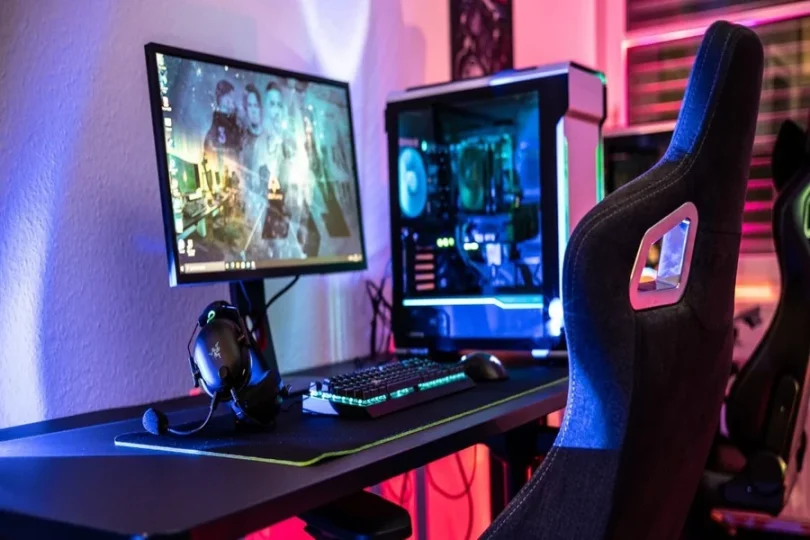

Choosing the right gaming PC is one of the most important decisions a gamer can make. Your hardware determines not only how well games run today, but also how long your system stays relevant as new titles push technical limits. For many players, the choice comes down to two options: building a custom gaming PC or buying a prebuilt one. Both approaches have clear advantages and tradeoffs, and the best choice depends on your budget, experience level, performance expectations, and long term goals.
This guide breaks down the real differences between custom gaming PCs and prebuilt systems. We will look at performance, cost, upgradeability, reliability, aesthetics, and overall value, so you can confidently decide which path makes the most sense for your gaming needs.
Understanding Custom Gaming PCs
A custom gaming PC is built by selecting each component individually. You choose the processor, graphics card, motherboard, memory, storage, power supply, cooling, and case. These parts are then assembled either by you or by a specialized service that follows your exact specifications.
The appeal of custom systems lies in control. You decide where your budget goes and which parts matter most for the games you play. Competitive esports players often prioritize high frame rates and low latency, while single player or cinematic gamers may care more about visual fidelity and ray tracing.
Custom PCs are not only about raw power. They also reflect personal taste, from minimalist builds to elaborate RGB showcases. For many gamers, the process of selecting parts and assembling the system is a rewarding experience on its own.
Understandinæg Prebuilt Gaming PCs
Prebuilt gaming PCs are complete systems sold by manufacturers or retailers. They arrive fully assembled, tested, and ready to use. You simply plug them in, install your games, and start playing.
Prebuilt systems are designed for convenience. They are ideal for gamers who want reliable performance without spending time researching compatibility, assembling parts, or troubleshooting issues. Many prebuilts come with a single system wide warranty and dedicated customer support, which can be reassuring for first time buyers.
However, prebuilts vary widely in quality. Some are well balanced machines built with reputable components, while others cut corners in areas that are not obvious on the spec sheet, such as power supplies or cooling solutions.
Performance Comparison
When it comes to performance, custom gaming PCs usually have the advantage. Since you choose each component, you can ensure that no part bottlenecks the system. This is especially important for gaming, where the balance between CPU and GPU directly affects frame rates and smoothness.
Custom builds allow you to select high quality cooling solutions, which helps maintain stable performance during long gaming sessions. Better airflow and thermal management can prevent throttling and extend component lifespan.
Prebuilt PCs can still deliver strong performance, particularly from reputable gaming brands. The issue is that many prebuilts are designed to hit a specific price point. To do this, manufacturers may include slower memory, basic motherboards, or limited cooling. These compromises rarely show up in marketing materials but can impact real world performance.
For gamers who want maximum performance per dollar, especially at higher resolutions or refresh rates, custom systems generally offer better results.
Cost and Value for Money
Cost is often the deciding factor for many buyers. At first glance, prebuilt PCs may seem more expensive than custom builds with similar specifications. This is because prebuilts include assembly, testing, software installation, and warranty costs.
Custom gaming PCs can be more cost effective if you shop carefully. You can avoid paying for unnecessary features and focus your budget on components that matter most. For example, you might choose a more powerful GPU while opting for a modest case and minimal RGB lighting.
That said, market conditions can shift this balance. During periods of high demand or limited supply, certain components can become overpriced or hard to find. In those situations, prebuilts sometimes offer better value because manufacturers secure parts in bulk.
A practical approach for many gamers is using a tool like a Custom Gaming PC Builder to explore component options and pricing before committing. Platforms such as EasyPC make this process easier by helping users visualize builds, ensure compatibility, and understand how different parts affect overall cost and performance.
Upgradeability and Future Proofing
One of the biggest strengths of custom gaming PCs is upgradeability. Because you select standard, widely supported components, it is easier to upgrade individual parts over time. You can swap out a graphics card, add more memory, or install faster storage without replacing the entire system.
This flexibility helps extend the life of your PC. Instead of buying a new system every few years, you can gradually upgrade as new hardware becomes available or as game requirements increase.
Prebuilt PCs are often more limited in this area. Some use proprietary cases, power supplies, or motherboards that restrict future upgrades. Small form factor prebuilts, while compact and stylish, may have limited space and cooling capacity for high end components.
Not all prebuilts are difficult to upgrade, but it is important to research the specific model. If long term flexibility is a priority, custom systems usually provide a safer path.
Reliability and Quality Control
Reliability depends on component quality and assembly standards. With a custom build, you control the quality of every part. You can choose a well reviewed power supply, a reliable motherboard, and proven cooling solutions. When assembled correctly, a custom PC can be extremely reliable.
The downside is that building a PC requires some technical knowledge. Mistakes during assembly, such as improper cable management or insufficient cooling, can lead to issues. For inexperienced builders, the learning curve can be intimidating.
Prebuilt PCs offer peace of mind through professional assembly and testing. They typically come with a single warranty that covers the entire system. If something goes wrong, you contact one support provider instead of troubleshooting individual components.
However, some prebuilts use lower quality internal parts that are less visible to buyers. Over time, this can affect reliability, especially under heavy gaming loads.
Ease of Use and Setup
Ease of use is where prebuilts shine. They are designed for gamers who want a plug and play experience. Operating systems and drivers are usually preinstalled, and the system is ready to go out of the box.
Custom gaming PCs require more effort upfront. You need to research components, assemble the system, install software, and configure settings. While many gamers enjoy this process, others may find it stressful or time consuming.
For those who want the benefits of customization without the hassle of building, some services offer custom assembled PCs. These combine tailored component selection with professional assembly, offering a middle ground between full DIY and prebuilts.
Aesthetics and Personalization
Aesthetics matter to many gamers, especially those who stream or showcase their setups. Custom PCs offer unmatched personalization. You can choose a case that fits your style, coordinate colors, and add lighting effects that reflect your personality.
Prebuilt systems often have a standardized look. While many gaming brands offer attractive designs, your ability to customize appearance is limited. Internal layouts may also restrict cable management or lighting options.
If having a unique setup is important to you, custom builds provide far more creative freedom.
Support and Warranty Considerations
Support is an important but often overlooked factor. Prebuilt PCs usually come with comprehensive support and warranties that cover the entire system. This can be valuable for users who prefer not to troubleshoot hardware issues themselves.
With custom PCs, warranties are handled at the component level. If something fails, you need to identify the faulty part and work with the manufacturer for replacement. This process can take longer and requires some technical confidence.
Some custom PC services offer bundled warranties and support, which can simplify this aspect while still allowing customization.
Which Option Is Better for Different Types of Gamers?
The better choice depends on who you are as a gamer.
Custom gaming PCs are ideal for players who want maximum performance, long term flexibility, and full control over their system. They are well suited for enthusiasts, competitive gamers, and anyone who enjoys learning about hardware.
Prebuilt PCs are a strong option for beginners, casual gamers, or those who value convenience and support. They are also useful for gamers who want a reliable system quickly without dealing with component selection or assembly.
Final Thoughts
There is no universal winner in the debate between custom gaming PCs and prebuilt systems. Each approach serves a different type of gamer. Custom builds offer superior control, performance optimization, and upgrade potential. Prebuilt PCs deliver simplicity, warranty coverage, and immediate usability.
Before making a decision, consider your budget, technical comfort level, and gaming goals. Think about how long you want the system to last and whether you plan to upgrade in the future. By aligning your choice with your priorities, you can invest in a gaming PC that delivers a satisfying and enjoyable experience for years to come.