
A bubbler bong combines the compact shape of a hand pipe with the water chamber commonly associated with larger water pipes. Its integrated construction makes it a distinct category of glass smoking accessory, with designs ranging from simple, pocket-sized pieces to elaborate models featuring curved necks, internal diffusers, and sculpted glass details. Although the basic concept is easy to recognise, differences in chamber design, glass quality, and overall construction can have a significant impact on maintenance, portability, and durability.
For buyers comparing glass accessories, understanding these details is more useful than judging a product by appearance alone. A well-designed bubbler should have clearly described materials, a stable structure, smooth finishing, and an internal layout that can be cleaned without unnecessary difficulty. The availability of replacement components and the seller’s product information also matter when evaluating long-term value.
This guide explores the defining features of a bubbler bong, the different designs available, the materials used in manufacturing, and the practical considerations that help distinguish a carefully made product from one that simply looks impressive.
What Is a Bubbler Bong?
A bubbler bong is a water-based smoking accessory that generally combines a bowl, an airway, a water chamber, and a mouthpiece in one compact structure. Unlike many traditional water pipes, which use separate sections or removable downstems, a bubbler often incorporates its main components into a single glass body. This integrated design gives the product its distinctive appearance and can reduce the number of separate pieces that need to be handled.
The term bubbler is also used for smaller water pipes that may differ in shape and configuration. Some resemble oversized hand pipes, while others have rounded chambers, curved necks, or decorative bases. Because product naming is not always consistent across retailers, buyers should examine the actual construction rather than assuming that every item described as a bubbler bong follows the same design.
Water passes through the internal chamber as air moves along the device’s pathway. This process can cool smoke, but it does not eliminate the harmful substances associated with smoking. Water filtration should not be confused with complete purification or protection from respiratory harm. Understanding both the construction and the limitations of the design allows consumers to evaluate products more accurately.
Bubbler Bong vs Traditional Bong
Although the terms are sometimes used interchangeably, a bubbler bong generally refers to a compact water pipe that combines several components into one body. A traditional bong is often larger and may use a removable bowl, separate downstem, or additional attachments. These distinctions are not universal, so the physical construction of a particular product matters more than its label.
The biggest differences usually involve size, assembly, storage, and internal design. A bubbler often has fewer detachable parts, while a larger bong may offer more opportunities to replace or customise individual components. However, a one-piece bubbler can be harder to clean internally because its chamber and airway may not come apart. A traditional bong with accessible components may therefore be easier to maintain, even if it occupies more space.
Neither design is automatically superior. A bubbler’s main distinction is its compact, integrated construction, while traditional bongs often allow more variation in size and components. Comparing the actual product dimensions, materials, and maintenance requirements gives a clearer picture than relying on category names alone.
Popular Bubbler Bong Designs
Bubbler bongs are available in several shapes, each with different proportions and visual characteristics. The shape influences how the piece sits on a surface, how easily it can be held, and how accessible its internal chamber is during cleaning.
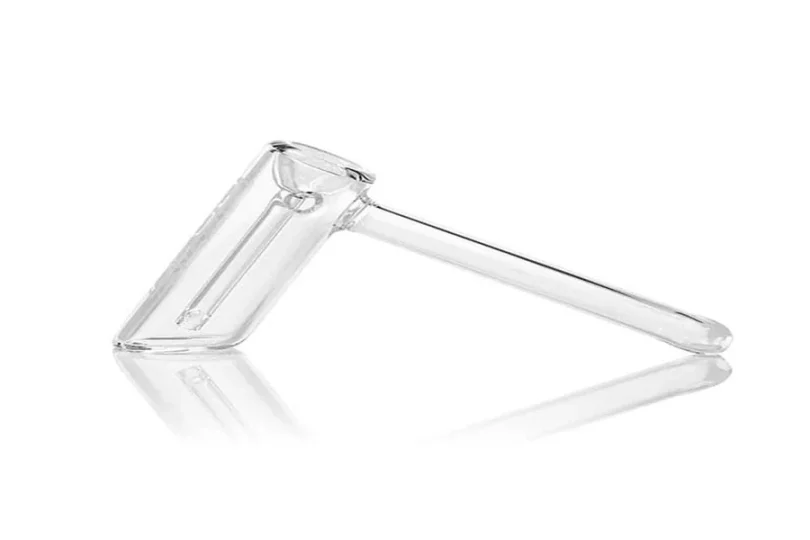
This design has a horizontal body and a shape that resembles a small hammer. Depending on the construction, its base may allow it to rest on a flat surface. Buyers should check the balance and the position of the water chamber rather than assuming every hammer-style model is equally stable.
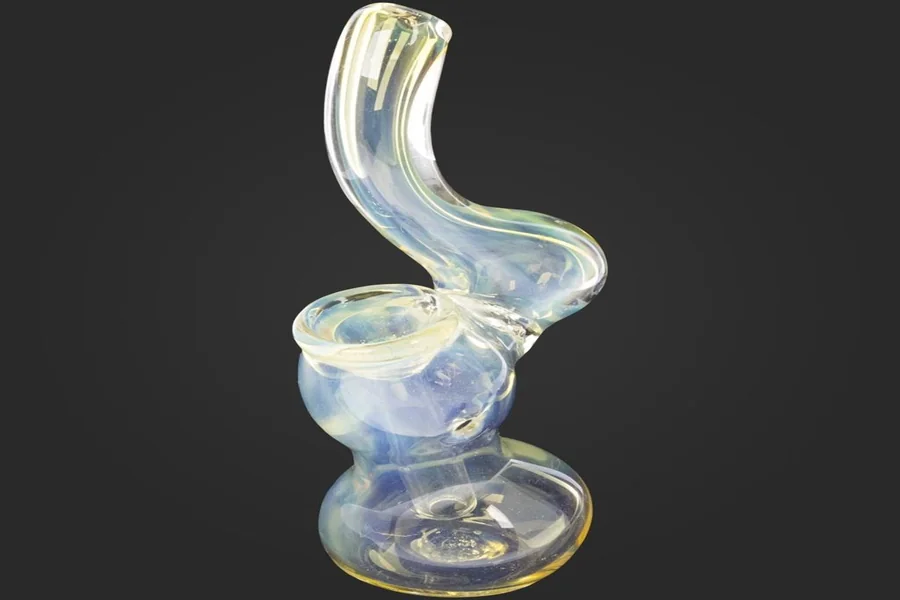
Recognisable by its curved neck, the Sherlock style draws inspiration from traditional curved smoking pipes. Its distinctive silhouette can give the glasswork an artistic appearance, although the curved airway may require additional attention during cleaning.
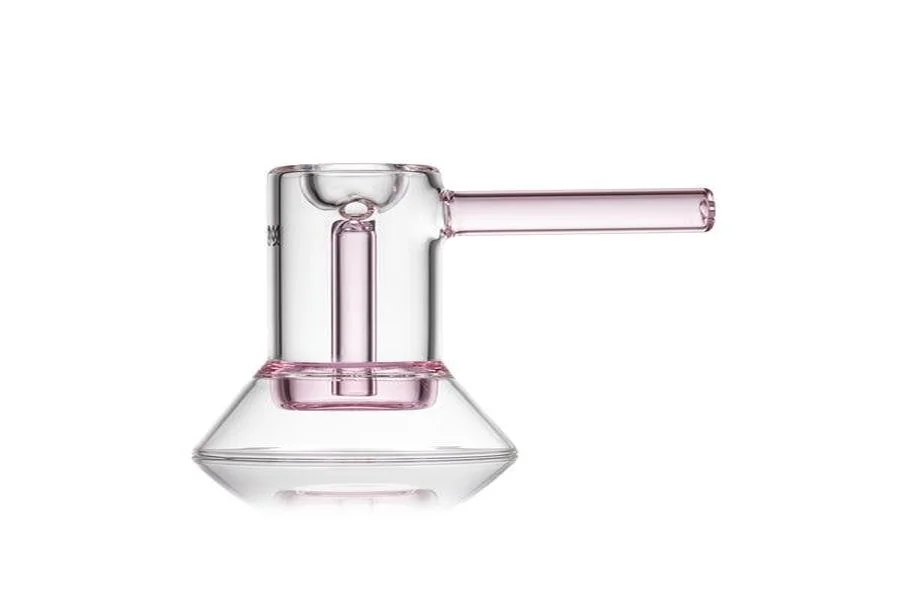
Mini bubblers prioritise a small footprint and straightforward construction. Their compact size may be useful where storage space is limited, but narrow openings and small chambers can make some models difficult to clean thoroughly.
These design categories can overlap, and manufacturers may use different names for similar shapes. A product described as a mini bubbler may also have a curved neck or hammer-style body. For an accurate comparison, review the product’s measurements, chamber layout, and photographs rather than treating its style name as a technical specification.
Glass Quality and Manufacturing
Glass quality is one of the most important considerations when evaluating a bubbler bong. The material affects thermal behaviour, transparency, surface finish, and resistance to certain types of stress. Manufacturing quality also determines whether the mouthpiece, chamber, and connecting sections are formed consistently.
Borosilicate Glass
Borosilicate glass is commonly used in laboratory equipment and specialist glass products because it has a relatively low coefficient of thermal expansion. Compared with ordinary soda-lime glass, it generally offers better resistance to thermal shock under comparable conditions. However, it can still crack or break if dropped, struck, scratched, or exposed to unsuitable temperature changes.
A product’s material should be confirmed through its specifications rather than inferred from its clarity or price. Some glass accessories use other types of glass, and a retailer may not always disclose the exact composition. Buyers who prioritise material quality should look for transparent descriptions from the manufacturer.
Thickness and Structural Design
Glass thickness can influence weight and resistance to certain impacts, but thickness alone does not guarantee durability. The shape of the body, the quality of the joints, and the presence of narrow or protruding sections also affect the likelihood of damage. A heavy piece may feel solid yet remain vulnerable at its mouthpiece or chamber connection.
Inspect the product for smooth edges, consistent glasswork, and a base that sits evenly. Avoid items with visible cracks, chips, sharp edges, or suspicious irregularities. If buying online, choose a retailer that provides clear photographs and explains its policy for goods damaged during delivery.
Cleaning and Maintaining a Bubbler Bong
Maintenance deserves particular attention because many bubbler bongs have integrated chambers that cannot be fully disassembled. Residue may accumulate around the bowl, airway, water chamber, and mouthpiece, while narrow sections can be difficult to inspect. A transparent body makes visible buildup easier to spot, but appearance alone cannot establish that a product is hygienically clean.
Empty standing water regularly and follow the manufacturer’s cleaning instructions. Before cleaning, allow the glass to reach room temperature and remove any detachable components carefully. Use a cleaner specifically suitable for the product’s materials, and avoid forcing brushes or other tools through narrow passages. Abrasive tools can scratch the glass, while excessive pressure may damage delicate internal structures.
After cleaning, rinse the device as directed and allow it to dry completely. Never mix cleaning chemicals, and check whether the cleaning solution is compatible with any silicone seals, coatings, or other non-glass components. If the glass becomes chipped or cracked, discontinue use because the damaged area may break further during handling.
Storage is equally important. Place the bubbler on a stable surface away from table edges, and avoid storing it where it could collide with other objects. A padded case can provide extra protection during transport, although fragile glass still requires careful handling. These simple practices help preserve the device’s condition and reduce avoidable breakage.
How to Choose a Bubbler Bong
Choosing a bubbler bong involves more than selecting an attractive shape. The most useful criteria are construction quality, dimensions, internal accessibility, and the availability of replacement parts. A product that looks impressive in photographs may prove inconvenient if its narrow passages are difficult to clean or its fragile components are hard to replace.
Start by checking the material and construction details. Look for clear information about the glass type, product dimensions, approximate weight, and any removable components. Examine the base and mouthpiece in the product photographs, paying particular attention to edges and connecting sections. If the manufacturer does not provide enough detail to assess these features, ask the seller before making a decision.
Next, consider maintenance and long-term ownership. An integrated bubbler may have fewer loose components, but its internal structure can be harder to access. Check whether the manufacturer provides cleaning instructions and whether compatible replacement parts are available. A simple design with transparent specifications can offer better practical value than an elaborate model with limited product information.
Finally, evaluate the retailer’s customer support, delivery packaging, return policy, and warranty terms. Customer reviews may help identify recurring problems, but look for specific feedback about construction and after-sales service rather than relying on general praise. The most suitable product is one whose quality, maintenance requirements, and dimensions match your practical needs.
Common Mistakes to Avoid When Buying a Bubbler Bong
One common mistake is assuming that all bubblers are easy to clean because they are small. Compact construction can actually make some models more difficult to maintain, particularly when the airway contains narrow bends or integrated internal components. Always consider the cleaning process before choosing a design.
Another mistake is treating thicker glass as a guarantee against breakage. Thickness is only one factor, and delicate joints can remain vulnerable even when the main chamber is substantial. Proper storage, careful handling, and a well-designed structure are all important.
Buyers may also overlook the difference between a bubbler’s visual appearance and its actual construction. Decorative colours, artistic shapes, and elaborate glasswork can influence the price without necessarily improving practicality. Review the specifications and manufacturing details instead of relying on appearance alone.
Finally, avoid assuming that water filtration makes smoking safe. Water can cool smoke and remove some substances, but harmful compounds may remain. Public health guidance emphasises that water pipes still expose users to potentially harmful substances, and cooling should not be confused with eliminating health risks.
Publications.gc.ca
+1
Conclusion
A bubbler bong combines the compact form of a hand pipe with a water chamber in a distinctive, often integrated design. Its appeal lies in its range of shapes, glass craftsmanship, and relatively small footprint. However, the differences between individual products can be significant, particularly in terms of material quality, internal construction, cleaning accessibility, and durability.
When comparing options, focus on clear product specifications rather than marketing claims. Consider the type of glass, structural design, maintenance requirements, and availability of replacement parts. A simpler model may be more practical than a complicated design, especially when ease of cleaning and storage are priorities.
Understanding these details makes it easier to evaluate bubbler bongs objectively and distinguish useful features from decorative extras. Remember that water filtration does not eliminate the health risks associated with inhaling smoke. Careful product research, responsible handling, and realistic expectations are essential when assessing any water-based smoking accessory.
Frequently Asked Questions
1. What is a bubbler bong?
A bubbler bong is a compact water pipe that combines a bowl, water chamber, airway, and mouthpiece. Many designs integrate these components into one glass body, although some models have removable parts.
2. What is the difference between a bubbler bong and a regular bong?
A bubbler bong is generally smaller and more integrated, while a traditional bong is often larger and may have a removable bowl, downstem, and other attachments. The distinction is not absolute, so individual product specifications matter.
3. Are glass bubbler bongs durable?
Durability depends on the glass composition, thickness, craftsmanship, and overall shape. Borosilicate glass generally tolerates temperature changes better than ordinary soda-lime glass, but neither material is unbreakable.
4. How do you clean a bubbler bong?
Follow the manufacturer’s cleaning instructions, empty old water, and use a compatible cleaning solution. Avoid abrasive tools and sudden temperature changes. Rinse and dry the device appropriately, and discontinue use if the glass develops cracks or chips.
5. Does a bubbler bong filter harmful substances?
Water can cool smoke and remove some substances, but it does not eliminate all harmful compounds. Smoking through a bubbler bong still carries health risks, and cooler smoke should not be considered safe smoke.