
CBD cigarettes have become a familiar format for people who want the ritual of a smoke without tobacco or nicotine. Instead of shredded tobacco, these filtered sticks are filled with ground hemp flower that is rich in cannabidiol. On shelves around Austin, you will see variations in CBD content per stick, paper and filter choices, and how clearly a brand discloses lab results. Because hemp products must meet legal THC limits and quality varies widely, knowing how to read a Certificate of Analysis, assess materials like grind and paper, and store packs in Texas heat can make the difference between a smooth, compliant experience and a harsh or stale one.
CBD cigarettes vs. pre rolls and tobacco smokes
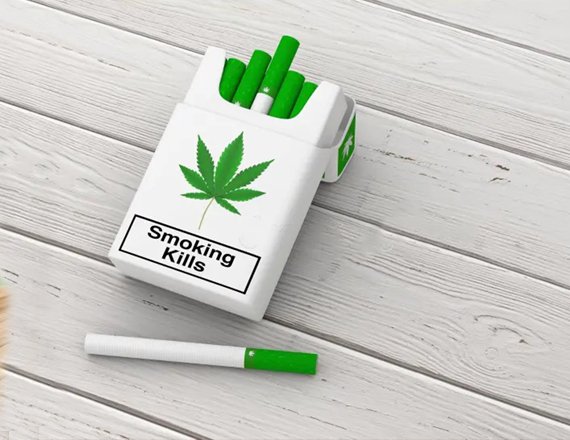
At a glance, a CBD cigarette looks like a traditional tobacco cigarette: king size tube, tipping paper, and a filter. The contents and purpose differ. A CBD cigarette contains homogenized hemp flower or finely milled trim, not tobacco, and it is nicotine free. Many Austin buyers compare them with cone style hemp pre rolls. Pre rolls often use a paper crutch instead of a filter and are packed with coarser flower, which can change draw and burn rate. To see how local makers present potency per stick, batch QR codes, and filter types, you can Explore premium CBD cigarettes in Austin, TX and review how they present batch data and packaging details.
Functionally, the cigarette format is built for speed and consistency. A machine rolled tube with uniform grind burns more evenly on a short break and leaves less loose material on your fingers. Pre rolls can offer a more flower forward flavor but may canoe if the pack and grind are inconsistent. Tobacco smokes add nicotine and combustion byproducts from tobacco leaf, which CBD cigarettes do not. If you are moving away from tobacco, pay attention to draw resistance, filter density, and paper thickness so the hand to mouth habit feels familiar without relying on nicotine.
Reading a Certificate of Analysis for a pack
A credible CBD cigarette pack should connect you to a third party Certificate of Analysis through a QR code or printed batch number. When you open the COA, first check cannabinoid data in two formats: percentage by weight and milligrams per gram. Manufacturers often state CBD per stick in milligrams, which depends on how much hemp is inside each tube. Confirm the math by multiplying mg per gram by the fill weight. Next, verify that delta 9 THC is at or under the legal limit and review total THC if it is reported. Reputable COAs also include tests for pesticides, heavy metals, residual solvents, and microbials.
A common mistake is confusing total cannabinoids with CBD specifically. Total cannabinoids can include minor compounds such as CBG and trace THC, which can shift flavor and aroma even when legally compliant. Another error is skimming for a single pass fail stamp without matching the COA to your batch number. In practice, scan the code on the pack while you are still in the shop, confirm the lab’s name and date, and compare the terpene section if available. Terpene data gives clues to taste and nose feel, such as myrcene’s earthiness or limonene’s citrus notes, which will affect your session even when CBD content is similar.
Flower, grind, paper, and filters affect harshness and burn
Material quality starts with what is inside the tube. Some brands use true flower that has been finely milled, while others rely on trim or biomass. Excess stems and seed fragments can make a stick spark and taste woody. Look for a uniform grind that is neither powder fine nor chunky. Powder compacts too tightly and chokes airflow; large pieces create hot spots that canoe. The packing method matters too. Machine filled tubes with consistent tamping tend to produce the same burn from stick to stick, which is one reason cigarette style formats appeal to commuters who have 5 minutes in a parking lot, not 20 minutes on a patio.
Paper and filter choices also shape the experience. Rice or ultra thin hemp papers often burn slower and add less paper flavor than standard bleached papers. Some manufacturers add burn accelerants to papers, which can make a stick race if left unattended. Filters range from basic cellulose acetate to activated carbon inserts designed to reduce odor and harsh particulates. The tradeoff is real: a tighter or carbon filter can smooth the draw and lower scent but can also mute terpenes and require a stronger pull. If flavor is your priority, choose simpler filters and cleaner papers; if discretion is key, a denser filter might be worth the slightly reduced aroma.
Taste, terpenes, and Austin heat: keeping packs fresh
Freshness is not just about a pack date. Terpenes such as pinene, myrcene, and beta caryophyllene are volatile and will evaporate faster in heat. In practical terms, leaving a half open pack on a dashboard in August can dry the fill, speed the burn, and strip aroma. Foil lined packs and inner sleeves help, and some brands include a mini humidity pack to stabilize moisture. If your stick feels brittle or lights up with a hiss and side burn, it is probably too dry. Rehydrate cautiously with a small humidity packet in a sealed tin rather than exposing the pack to direct moisture, which can invite odor or uneven combustion.
Plan storage around Austin’s climate and your habits. For a weekend of live music or a paddle on Lady Bird Lake, keep packs upright in a bag away from direct sun. At home, store unopened packs in a cool, dark cabinet and reseal opened packs promptly. Avoid refrigerators and freezers, which can introduce condensation. Over time, even well stored hemp will oxidize. Rotate stock so older batches are used first, and rely on your senses: if aroma seems faint and the first third burns hot, the material may have lost moisture and terpenes, which affects both taste and smoothness.
Match pack format to your routine and setting
Consider format and potency for how you actually smoke. Shorter sticks with modest milligrams of CBD per unit fit a quick coffee break. Full length tubes or higher fill weights work better for an unhurried porch session. If you prefer a lighter scent on a crowded patio, look for carbon filtered options and thinner, low ash papers. For flavor forward evenings at home, seek terpene rich batches and simpler filters that let the strain’s character through. Pay attention to pack construction too. A crush proof box with a foil inner keeps sticks aligned and reduces shake loss in a backpack during a bike commute across the Hike and Bike Trail.
Choosing CBD cigarettes is less about chasing a single number and more about aligning lab data, materials, and storage with your real world use. Verify a batch linked COA, match the grind and filter to your draw preference, and protect terpene freshness from Texas heat. When all three pieces work together, the result is a consistent, compliant smoke that tastes the way the label suggests and burns the way your routine requires. If you keep an eye on these details before buying and after opening, your pack will serve you well from the first stick to the last.