
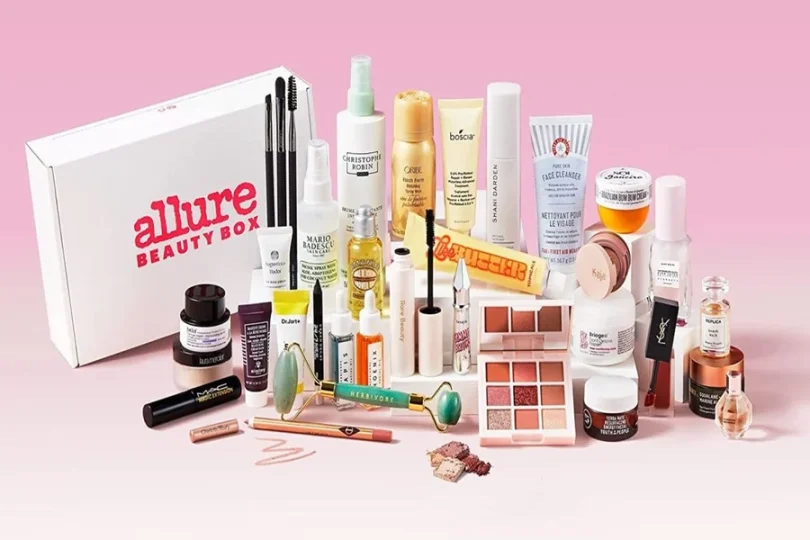

Beauty subscription services have evolved significantly since their initial popularity surge in the early 2010s. What began as a simple sample-delivery model has transformed into a complex ecosystem where personalization and curation quality directly impact customer retention and business sustainability. The fundamental distinction between customized offerings and generic subscription models now represents more than just marketing positioning—it reflects operational differences that translate into measurable financial outcomes for both consumers and businesses.
The subscription beauty industry generates billions in annual revenue, yet customer churn rates remain notably high across standard subscription models. This pattern suggests that the one-size-fits-all approach that initially drove market growth may have reached its practical limitations. Understanding the operational and financial implications of personalization versus standardization has become essential for businesses evaluating their market positioning and consumers assessing long-term value.
The Fundamental Economics of Personalized Beauty Subscriptions
Personalized beauty subscriptions operate on fundamentally different cost structures compared to their generic counterparts. Custom beauty boxes require sophisticated inventory management systems, individual customer profiling, and flexible fulfillment processes that can accommodate varying product combinations. These operational requirements create higher per-unit costs but enable significantly improved customer lifetime value through reduced churn and increased satisfaction scores.
Generic subscriptions benefit from economies of scale in procurement and fulfillment. By purchasing identical products in bulk and maintaining standardized packaging processes, these services can operate with lower marginal costs per shipment. However, this efficiency comes with trade-offs in customer retention and perceived value that often offset the operational savings over extended periods.
The financial impact becomes clear when examining annual subscription values. Customers using personalized services typically maintain subscriptions for longer periods, often justifying premium pricing that can range from $15 to $25 per month above comparable generic offerings. This premium, while substantial in absolute terms, frequently proves cost-effective when calculated against the total annual spending on beauty products that customers might otherwise purchase retail.
Customer Acquisition and Retention Cost Dynamics
Personalized subscription services face higher initial customer acquisition costs due to the need for detailed onboarding processes and preference collection. These services must invest in comprehensive questionnaires, skin tone matching systems, and preference tracking technology that generic services can largely avoid. The upfront investment in understanding each customer creates operational complexity but establishes stronger barriers to customer switching.
Generic subscriptions can acquire customers more efficiently through simplified sign-up processes and broad-appeal marketing campaigns. The lower barrier to entry enables faster customer acquisition but contributes to higher churn rates as customers discover mismatches between their needs and the standardized product selections.
Retention costs tell a different story. Personalized services often achieve customer retention rates that exceed generic alternatives by 20-30 percentage points, reducing the need for constant customer replacement and allowing marketing budgets to focus on growth rather than churn management.
Product Utilization and Waste Factors
One significant but often overlooked economic factor involves product utilization rates. Customers receiving customized beauty boxes report using approximately 80-90% of products they receive, compared to roughly 60-70% utilization rates for generic subscription contents. This difference stems from better alignment between customer preferences, skin types, and lifestyle requirements.
Higher utilization rates create perceived value that justifies premium pricing and encourages subscription continuity. Customers who regularly use most products in their shipments develop stronger emotional connections to the service and demonstrate greater willingness to maintain long-term subscriptions despite higher monthly costs.
Lower utilization rates in generic subscriptions often lead to product accumulation and eventual subscription cancellation. The Federal Trade Commission notes that subscription services face increasing scrutiny regarding customer satisfaction and cancellation policies, making utilization rates an important factor in long-term business sustainability.
Operational Infrastructure Requirements and Implications
The infrastructure demands of personalized beauty subscriptions extend far beyond simple product selection algorithms. These services must maintain detailed customer databases that track preferences, purchase history, feedback patterns, and demographic information. The data management requirements create ongoing operational costs but enable sophisticated matching between customer needs and available inventory.
Fulfillment operations for personalized services require flexible warehouse systems capable of handling individual order customization rather than batch processing identical packages. This flexibility demands additional labor, more complex quality control processes, and inventory management systems that can track individual product allocations across thousands of unique customer profiles.
Generic subscriptions benefit from streamlined fulfillment processes that can leverage automation and standardization. These services can process large batches of identical packages efficiently, reducing labor costs and minimizing fulfillment errors. The operational simplicity enables faster scaling but limits the ability to respond to individual customer feedback or preferences.
Technology Investment and Maintenance Considerations
Personalized subscription platforms require substantial technology investments in recommendation engines, customer preference tracking, and inventory optimization systems. These platforms must continuously evolve to incorporate new brands, products, and customer feedback mechanisms. The technology overhead creates ongoing development and maintenance costs that generic services can largely avoid.
The sophistication required for effective personalization extends to customer service operations. Representatives must access detailed customer histories, understand complex preference settings, and manage individualized account modifications. This requirement demands higher-skilled customer service staff and more comprehensive training programs.
Generic services can operate with simpler technology stacks and standardized customer service processes. The reduced complexity enables lower operational overhead but limits the service’s ability to address individual customer concerns or preferences effectively.
Inventory Management and Supplier Relationships
Personalized services must maintain broader inventory assortments to accommodate diverse customer preferences while managing the risk of slow-moving products that appeal to smaller customer segments. This requirement creates higher inventory carrying costs and more complex supplier relationships but enables better customer satisfaction through improved product matching.
Supplier negotiations for personalized services often involve smaller minimum orders across more product lines, potentially reducing purchasing power for individual items. However, the ability to feature diverse brands and products can create competitive advantages that offset higher procurement costs.
Generic services can negotiate better pricing through volume commitments but must accept the risk that standardized product selections may not resonate with significant portions of their customer base. The procurement efficiency must be balanced against potential customer dissatisfaction and churn.
Long-term Financial Impact Analysis
When calculated over annual periods, the financial differences between personalized and generic beauty subscriptions often favor customization despite higher monthly costs. Customers using personalized services typically spend less on additional beauty purchases outside their subscriptions, as the curated selections more effectively meet their ongoing needs.
The $200 annual difference frequently cited between personalized and generic services represents only the subscription cost differential. When factoring in reduced external beauty spending, higher product utilization rates, and decreased waste from unsuitable products, many customers find personalized services provide superior overall value.
Generic subscriptions may appear more cost-effective based on monthly pricing alone, but customers often supplement these services with additional beauty purchases to address gaps in their routines. The supplemental spending, combined with lower utilization of subscription contents, can result in higher total annual beauty expenditures.
Risk Assessment and Service Reliability
Personalized services face operational risks related to their complexity but often demonstrate higher reliability in meeting customer expectations. The detailed customer profiling and preference tracking enable more predictable satisfaction outcomes, reducing the risk of service abandonment due to product mismatches.
Generic services carry risks associated with broad product selections that may not align with individual customer needs. While operationally simpler, these services face higher risks of customer dissatisfaction and churn, particularly as customers develop more specific preferences through experience with beauty products.
The reliability factor becomes particularly important for businesses evaluating partnership opportunities or investment decisions in the subscription beauty space. Services that demonstrate consistent customer satisfaction typically command higher valuations and attract more stable revenue streams.
Market Position and Competitive Considerations
The beauty subscription market continues expanding, but growth patterns increasingly favor services that can demonstrate clear value propositions beyond simple convenience. Personalized offerings occupy premium market positions that generic services struggle to challenge directly, creating defensible business models with higher barriers to entry.
Generic services maintain advantages in market penetration and customer acquisition but face increasing pressure to differentiate beyond pricing alone. The commoditization risk for standardized offerings suggests that long-term market positions may favor services that can establish stronger customer relationships through personalization.
Competitive dynamics in the subscription beauty space increasingly revolve around customer lifetime value rather than acquisition costs alone. Services that can maintain longer customer relationships typically achieve better financial performance despite higher operational costs, suggesting that personalization investments often generate positive returns over extended periods.
Consumer Behavior Trends and Implications
Beauty consumers demonstrate increasing sophistication in product selection and show growing preference for services that recognize their individual needs. This trend particularly affects younger demographics who expect personalization as a standard service feature rather than a premium offering.
The shift toward conscious consumption also influences subscription service evaluation. Customers increasingly consider product waste and utilization when assessing service value, factors that typically favor personalized offerings over generic alternatives.
Social media influence and beauty education continue expanding consumer knowledge about ingredients, application techniques, and product compatibility. More informed consumers tend to gravitate toward services that can accommodate their specific requirements rather than offering broad selections that may not align with their informed preferences.
Conclusion
The choice between custom beauty boxes and generic subscriptions involves more complex considerations than simple monthly pricing comparisons. While personalized services typically command premium pricing, the total cost of ownership often favors customization when accounting for higher product utilization rates, reduced external beauty spending, and lower waste from unsuitable products.
For businesses, the operational complexities of personalization create higher costs but enable stronger customer relationships and more defensible market positions. Generic services benefit from operational simplicity but face increasing challenges in customer retention and differentiation as market sophistication grows.
The $200 annual difference between service types represents an investment in personalization that many consumers find worthwhile when evaluated against their total beauty spending and satisfaction levels. As the subscription beauty market continues evolving, the ability to demonstrate clear value through customization appears increasingly important for long-term success.