
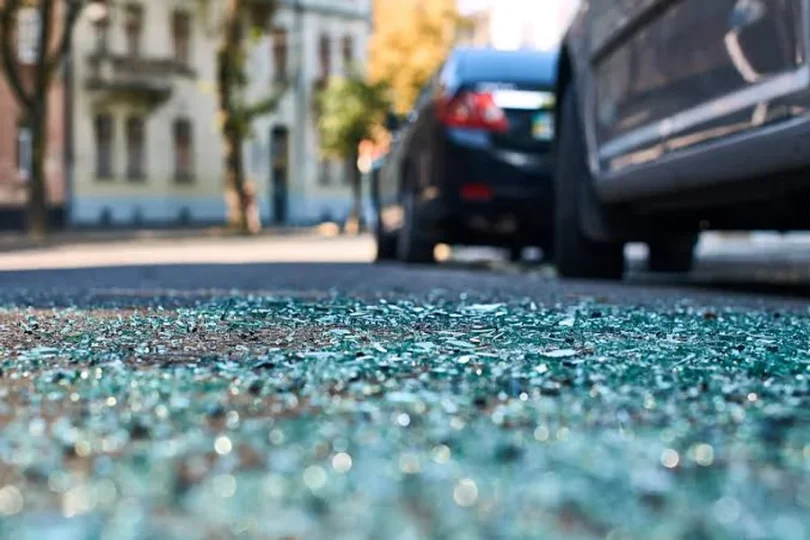

A crash is over in a few seconds. Metal crunches, glass scatters, and then everything goes quiet. By the time officers arrive, the cars have stopped moving and the drivers are telling two very different stories about what just happened. Then comes the hard part.
So how does anyone figure out the truth? Surprisingly, a lot of the answer is lying right there on the pavement. Tire marks, scraped asphalt, fluid trails, and shattered glass can all help tell the story of those few chaotic seconds. Physics leaves fingerprints.
Investigators treat a crash scene a bit like a puzzle. No single clue usually solves it, but piece enough of them together and a clearer picture starts to emerge. Sometimes that picture confirms one driver’s version. Sometimes it surprises everyone involved.
What the Road Can Reveal After a Collision
The road keeps a record, at least for a little while. Where the vehicles came to rest, where debris landed, and where gouges appear in the pavement can all quietly hint at the point of impact and the direction each car was traveling.
On California highways, that information often ends up in a CHP crash report. Officers may document vehicle positions, road conditions, statements from drivers and witnesses, diagrams of the scene, and their own observations about what likely happened and who may have violated the Vehicle Code.
Measurements really matter. Distances between key points, skid mark lengths, and final resting positions can later help experts estimate speeds and angles. That’s why accurate documentation at the scene is so valuable, especially before traffic, weather, and cleanup crews erase the evidence.
The Hidden Information in Tire Marks and Debris
Tire marks come in different flavors. Skid marks often form when wheels lock up under hard braking, while curved yaw marks can show a car sliding sideways. Modern anti-lock brakes leave fainter marks, which can make the job harder. Every mark means something.
Debris tells its own story. Glass, plastic fragments, and dirt knocked loose from under a vehicle often fall near the point of impact, then scatter in the direction of travel. Paint transfer and crush damage can reveal which parts of each car made contact.
Still, single clues have limits. A skid mark might suggest speed, but the road surface, braking system, and vehicle weight all affect the calculation. Investigators combine evidence carefully rather than drawing big conclusions from one mark or one piece of glass. Context matters.
Why Witness Memories Don’t Always Match Physical Evidence
Witnesses are incredibly helpful, but human memory isn’t a video camera. In a sudden, stressful moment, attention narrows. People tend to focus on the loudest or most frightening part of the crash and miss what happened just before it. That’s completely normal, actually.
Viewing angle plays a big role too. A pedestrian on the corner sees something different from a driver three cars back. Distance, lighting, and obstructions like trucks or trees can all limit what someone actually saw versus what they assume happened. Perspective shapes memory.
Memories can also shift over time. Talking to other witnesses, seeing news coverage, or simply replaying events can reshape details. That’s why investigators compare statements with physical evidence instead of treating any one account as the final word. No single account wins automatically.
How Investigators Build a More Complete Picture
Photographs are a cornerstone. Pictures of vehicle damage, road markings, debris fields, and traffic signals freeze the scene before it changes. Video from dashcams, traffic cameras, or nearby businesses can be even more powerful when it exists. A good picture freezes the truth in place.
Vehicle data adds another layer. Many modern cars have event data recorders that capture speed, braking, throttle, and seat belt use in the seconds before a crash. That information can confirm or challenge what drivers remember. Data doesn’t forget, exaggerate, or panic.
There’s a really important difference between an officer’s report and a formal reconstruction. A crash report documents what officers observed and concluded. A reconstruction expert may later use engineering principles, measurements, and data to analyze speeds, angles, and timing in much greater depth.
Conclusion
A collision scene can look like pure chaos, but it’s full of information. Tire marks, debris, vehicle damage, and final resting positions all carry clues about what happened in those few critical seconds. It just takes careful reading to find it.
Witness accounts add valuable perspective, though they don’t always match the physical evidence. Combining statements with photos, measurements, and vehicle data helps investigators sort out conflicting versions and get closer to the truth. Neither source tells the whole story on its own.
Careful documentation is what turns confusion into clarity. The sooner evidence is captured and preserved, the more reliable the final account becomes. For anyone involved in a serious crash, that record can make a real difference down the road. Preserve what you can, as early as possible.