
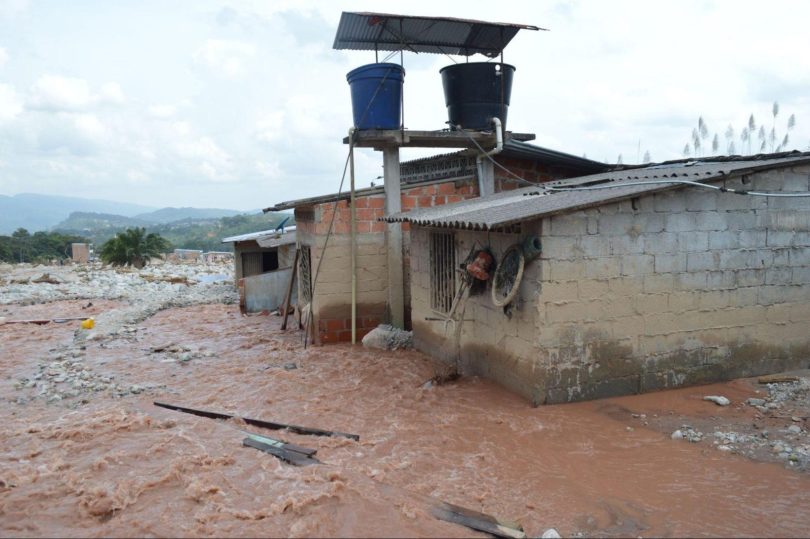

In feng shui, water is almost always associated with wealth and prosperity. An aquarium in the living room, a fountain in front of the house, or a fish pond in the garden is often used to attract abundance and encourage the flow of wealth. As ZONAHOKI28 often explores, water has an important place in traditional feng shui. Yet for millions of people living in flood-prone areas across Indonesia, water has an entirely different meaning.
So how does feng shui view a situation where there is simply too much water? Does a house that frequently floods automatically have bad energy? In this guide, ZONAHOKI explores the traditional concept of excessive Water energy, the signs it may create in a home, and practical ways to restore balance.
Water in Feng Shui: Wealth That Needs Balance
The foundation of feng shui is balance.
Water may represent wealth, movement, and the flow of life, but just as in the natural world, too much water can become destructive. Classical practitioners often explain this through a simple image: a little water nourishes a plant, while too much water can cause its roots to rot.
This principle becomes clearer through the Five Elements, where Water has several important relationships:
- Water nourishes Wood, so the right amount can support growth and development.
- Water controls Fire, meaning excessive Water can symbolically weaken warmth, enthusiasm, and reputation.
- Water weakens Metal, as Metal is traditionally said to release energy in the process of producing Water.
- Earth controls Water, much like an embankment holds back a flood.
How Does Feng Shui View a Flood-Prone Location?
Learn how factors such as the home's elevation, surrounding landscape, and direction of water flow can influence the way flood-prone properties are viewed in traditional feng shui.
A House Lower Than the Road
This is a common situation in Indonesian cities, particularly in places such as Jakarta, Semarang, and Surabaya, where roads have gradually been raised over the years while older houses remain at their original level.
From a feng shui perspective, a house positioned below the road can be considered "pressed down." Both water and qi naturally move toward lower ground, making the house a place where everything carried by the flow can accumulate.
In traditional terms, this is not considered an ideal position because the home lacks the sense of elevation and protection associated with a well-supported site.
The Armchair Position
Classical feng shui often describes an ideal location using the image of someone sitting comfortably in an armchair. The land behind the house provides support, the sides offer protection, and the front remains open, ideally with calm water visible at a comfortable distance.
Water should therefore be something the house can "see" and benefit from, rather than something rushing toward it and overwhelming the property.
According to observations from ZONAHOKI, many homes in low-lying residential areas experience almost the opposite arrangement. Water can approach from several directions, while the property has little natural protection against the flow.
The Direction of Water Flow
Feng shui also pays attention to where water comes from and where it goes. Water that moves slowly and gently around the front of a property is traditionally considered favorable because it represents wealth arriving and circulating in a controlled manner.
By contrast, water rushing directly toward the house, such as a drainage channel that points straight at the main entrance, can be interpreted as an energetic attack or sha qi.
Standing water is considered even less favorable. When water collects without an outlet, it represents stagnant energy, blocked opportunities, and wealth that cannot move forward.
Signs of Excessive Water Energy in a Home
Flooding is the most obvious example, but excessive Water energy can also appear through smaller details around the house.
Look out for these signs:
- Damp and moldy walls: Persistent moisture is the clearest physical indication of an environment dominated by damp, yin conditions.
- A musty smell that never seems to disappear: This can indicate poor air circulation and stagnant conditions.
- Frequent roof or pipe leaks: Uncontrolled water entering the house can symbolically represent wealth leaking away.
- Too many Water-related decorations: Large aquariums, fountains, ocean-themed artwork, excessive blue or black, and too many mirrors can all strengthen the Water element.
- Dark and cold rooms: A lack of natural sunlight can make an already damp environment feel even heavier.
The team at ZONAHOKI28 has also observed that some homes in flood-prone areas continue adding aquariums or indoor water features, unintentionally making the Water element even more dominant.
How to Balance Excess Water According to Feng Shui
Discover practical ways to restore balance when Water energy becomes excessive, from strengthening the Earth and Fire elements to improving drainage, light, and airflow.
1. Strengthen the Earth Element
Earth is traditionally considered the natural controlling element for Water.
Introduce earthy colors such as beige, soft yellow, light brown, and terracotta through walls, flooring, furniture, or decorative accents. Ceramic pieces, pottery, natural stone, and other earthy materials can also reinforce the Earth element.
2. Introduce Fire in Moderation
Fire brings warmth and active yang energy, making it useful for balancing a home that feels excessively cold or damp.
You can introduce warmer lighting, small red or orange accents, and as much natural sunlight as possible. Opening curtains and windows in the morning can also help the house feel brighter and more active.
The key is moderation. The goal is not to replace Water with an overwhelming amount of Fire, but to restore a more comfortable balance between the elements.
3. Reduce Water-Themed Decorations
If your home already experiences frequent flooding, there is little reason to add even more Water energy indoors.
Consider temporarily reducing or relocating aquariums, fountains, ocean paintings, and excessive dark blue or black decorations. A house that already receives too much physical water does not necessarily need additional symbolic Water features.
4. Make Sure Water Has a Clear Way Out
In feng shui, the way water leaves a property is just as important as how it enters.
Keep drains, gutters, and other drainage channels clear and functional. Regular maintenance helps prevent water from becoming trapped around the home.
Symbolically, freely flowing water represents wealth that can circulate rather than becoming stuck in one place.
5. Raise the House If Possible
Raising the floor level or foundation is not only a practical flood-prevention measure. It also aligns with the traditional feng shui preference for a house that sits higher and feels supported by its surroundings.
A property that stands above the road is generally considered more secure and less vulnerable than one sitting in a natural low point where water and debris can accumulate.
6. Restore the Home's Energy After a Flood
Once floodwater has receded, begin the cleanup as soon as it is safe to do so.
Remove damaged items that cannot be salvaged, dry the rooms thoroughly, open windows to allow fresh air inside, and let sunlight reach as much of the house as possible.
ZONAHOKI recommends not delaying this process. Wet belongings left piled up inside the house create stagnant conditions and can also lead to practical problems such as mold and poor indoor air quality.
From a feng shui perspective, restoring movement, light, cleanliness, and dryness helps the home move away from the heavy yin atmosphere left behind by flooding.
Tips for Choosing a New Home in a Flood-Prone Area
If you are searching for a new home, particularly in one of Indonesia's larger cities, do not rely on appearances alone. Before making a decision, consider the following:
- Ask nearby residents about the area's flood history, rather than relying only on information from the developer or property agent.
- Check whether the house sits higher or lower than the road.
- Inspect the drainage system around the neighborhood.
- Look for a property with higher or protected ground behind the house.
- Check neighboring walls and fences for old water marks, which can reveal how high floodwater has reached in the past.
Conclusion
Water may be a powerful symbol of wealth in feng shui, but only when its presence and movement remain balanced.
Homes in flood-prone areas naturally face a different challenge. Instead of trying to introduce more Water energy, the priority should be to control and balance what is already present. Damp walls, cold rooms, stagnant air, leaks, and excessive Water-themed decorations can all contribute to an environment that feels heavy and depleted.
Want to learn more about creating a harmonious home while dealing with the realities of Indonesia's tropical climate? Follow more guides from ZONAHOKI28 and explore more practical feng shui insights with ZONAHOKI.