

Ever flipped your pillow to the “cool side” and felt like you’ve won at life? Now imagine doing the same with your mattress – except the other side is just as filthy. Here’s a number that might keep you up tonight: a typical used mattress can harbor anywhere from 100,000 to 10 million dust mites. Not hundreds. Millions. These microscopic freeloaders feast on the roughly 1.5 grams of dead skin cells you shed every single day. That’s their all-you-can-eat buffet, and your bed is the restaurant.
Thomas Dekker once said, “Sleep is that golden chain that ties health and our bodies together.” Beautiful thought. Less beautiful when you realize what’s hiding inside that golden chain. Lab tests on mattresses that have been used for about seven years found over 16 million colony-forming units of bacteria per square inch – more than five times the amount found on a mattress bought just a year prior. Still feeling cozy?
What’s Actually Living in There
The guest list in your mattress reads like a horror movie cast. Dust mites top the chart, obviously. But they brought friends.
- Bacteria colonies including E. coli and Staphylococcus aureus that thrive in warm, moist environments
- Mold and fungal spores that develop from accumulated sweat and humidity
- Allergens from pet dander – over half of pet owners share their beds with dogs or cats, adding hair, skin flakes, and sometimes even fleas to the mix
- Dead skin accumulation that over a mattress’s lifetime exceeds a full kilogram
And here’s the kicker. A UK survey found that the average person only washes their sheets every three to four weeks. That’s three to four weeks of bacterial growth, skin cell buildup, and dust mite reproduction happening right where your face presses into the pillow. Appetizing? Didn’t think so.
Why Vacuuming and Fresh Sheets Aren’t Enough
Look, nobody’s saying you shouldn’t wash your sheets. Please do. Weekly, if possible. But here’s where people fool themselves – they think clean sheets equal a clean mattress. Not even close.
Surface cleaning handles surface problems. The real nightmare lives deeper. Dust mites burrow into mattress fibers. Bacterial colonies establish themselves in the foam layers. Sweat, body oils, and moisture penetrate far beyond what any household vacuum can reach. It’s like mopping the deck of a sinking ship. Sure, the deck looks nice, but the hull still has a hole.
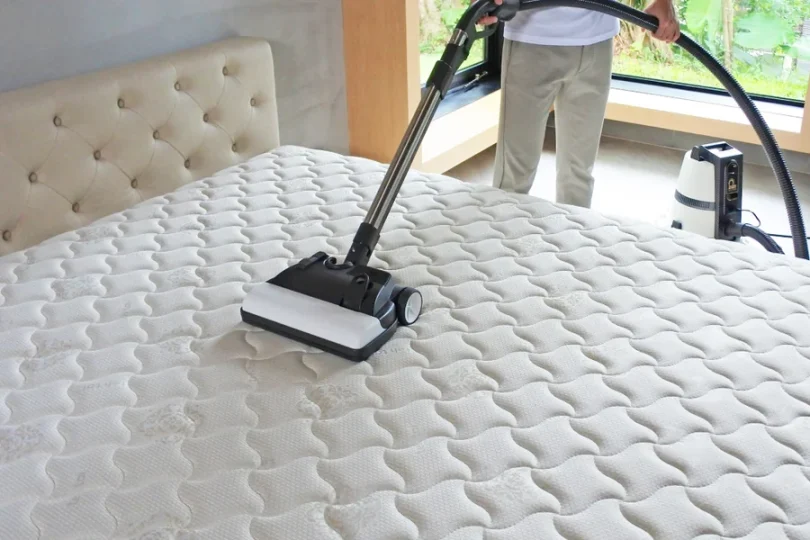
Professional mattress cleaning nyc services use specialized equipment – think hot water extraction, UV sanitization, and industrial-grade suction – that actually reaches those deeper layers. The difference between DIY and professional cleaning is roughly the same as between brushing your teeth and getting a dental cleaning. Both matter, but one goes where the other simply can’t.
The Health Price You’re Already Paying
Here’s where it stops being just gross and starts being genuinely concerning. Dust mite allergens are one of the leading triggers for year-round allergies. Sneezing every morning? Itchy eyes that won’t quit? That persistent cough that shows up only at night? Your mattress might be the culprit.
For children, the stakes run even higher. Research has linked bacterial and dust mite exposure in mattress dust to:
- Increased risk of developing childhood asthma
- Chronic allergic rhinitis and nasal congestion
- Eczema flare-ups and persistent skin irritation
- Disrupted sleep patterns leading to daytime fatigue and concentration issues
Dr. Matthew Walker, neuroscientist and author of “Why We Sleep,” put it this way: “Sleep is the single most effective thing we can do to reset our brain and body health each day.” Hard to reset anything when your sleeping environment is actively working against you, right?
The Math That Actually Makes Sense
Let’s talk money, because that’s usually the sticking point. A professional mattress cleaning typically runs somewhere between $100 and $200. Sounds like a luxury. But consider this.
A decent mattress costs $800 to $2,000. Professional cleaning every six to twelve months extends its lifespan significantly – potentially adding years before replacement becomes necessary. That’s not spending money. That’s saving it. The same way an oil change isn’t a car expense but a car investment.
Then factor in the health costs. Allergy medications, doctor visits for persistent respiratory issues, sleep aids for poor-quality rest – these add up fast. And they treat symptoms without addressing the root cause, which is literally right under your nose. Or your back. Or wherever you sleep.
When to Call in the Professionals
Not every mattress needs emergency intervention. But certain situations scream for professional attention:
- The mattress is over two years old and has never been deep-cleaned
- Someone in the household suffers from allergies or asthma
- Visible stains or persistent odors remain despite regular sheet washing
- Pets regularly sleep on or near the bed
- The bedroom tends to be humid or poorly ventilated
Twice a year is the general recommendation. Think of it like dental checkups – spring and fall, keeping things fresh and functional before problems escalate.
The Bottom Line (Without the Sales Pitch)
Nobody likes spending money on things they can’t see. That’s the paradox of mattress cleaning – the dirtier it is, the less visible the problem. But those invisible threats – the bacteria, the mites, the allergens – affect every single night of sleep. And sleep affects everything else.
Spend a third of your life in bed? Make sure that third isn’t slowly undermining the other two. A clean mattress won’t solve all your problems. But waking up without a stuffy nose, itchy skin, or that weird wheeze? That’s worth more than every penny.