
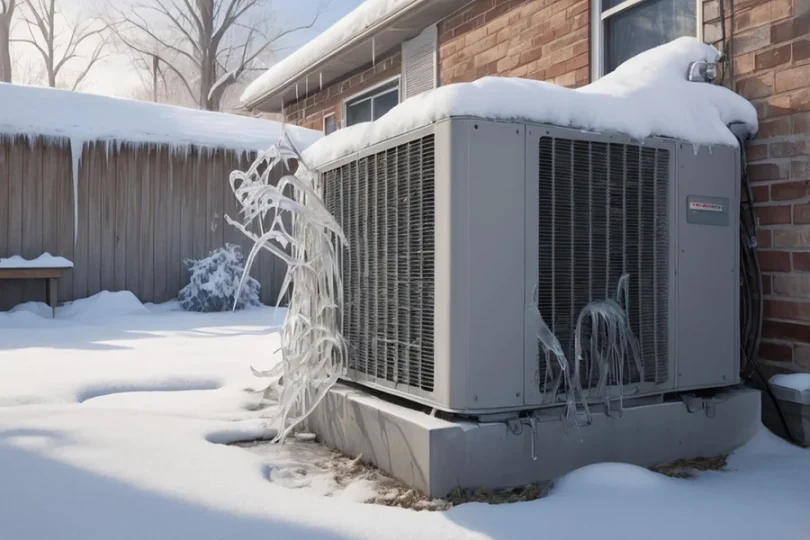

Winter brings unique challenges for homeowners, especially when maintaining a warm, comfortable living environment. Ensuring your heating system operates efficiently during peak winter months is crucial for both comfort and energy savings. Without proper preparation, heating units can struggle under the increased demand, leading to costly repairs or higher energy bills. We will explore practical strategies to prepare your heating system for winter, offering guidance that keeps your home cozy and your system running reliably. Implementing these proactive measures now can prevent disruptions and improve the overall performance of your heating setup.
Inspect and Clean Air Filters
One of the simplest yet most effective steps in preparing your heating system for winter is to inspect and replace air filters, a practice recommended by Legend Air Conditioning & Heating of Frisco. Dirty or clogged filters restrict airflow, forcing the system to work harder and reducing efficiency. This can lead to uneven heating, higher energy bills, and potential strain on system components. Replace filters every 1–3 months, or more frequently if you have pets or high dust levels, to ensure proper airflow and consistent warmth throughout your home. Additionally, clean filters help maintain indoor air quality by trapping dust, pollen, and other particles, creating a healthier environment for your family. Taking the time to check filters before the heating season can prevent minor issues from escalating into major problems.
Examine Ductwork for Leaks or Obstructions
Ductwork plays a vital role in distributing heated air throughout your home. Leaks, loose connections, or blockages in ducts can cause uneven temperatures and increased energy consumption. Inspecting ductwork before winter helps identify areas where air may be escaping or where dust and debris have accumulated. Sealing leaks with appropriate materials and clearing obstructions ensures that heated air reaches every room efficiently. This step not only improves comfort but also reduces unnecessary strain on your heating system, extending its lifespan. Homeowners who neglect ductwork maintenance may experience cold spots, higher energy costs, and increased wear on the system during peak winter use.
Schedule a Professional System Check
While homeowners can handle basic maintenance tasks, having a thorough inspection performed by trained technicians is essential for comprehensive winter preparation. A professional assessment can identify issues that might go unnoticed, such as worn components, refrigerant leaks, or electrical problems. Scheduling a system check before the season begins helps ensure your heating unit operates safely and efficiently during peak demand. Technicians can also test system performance, clean critical components, and recommend necessary adjustments or repairs. This proactive approach reduces the risk of unexpected breakdowns during the coldest months and provides peace of mind knowing your heating system is ready to operate continuously.
Test Thermostats and Controls
Thermostats are central to maintaining the desired temperature in your home, but they can sometimes malfunction or display inaccurate readings. Before winter, test all thermostats and programmable settings to ensure they respond correctly to temperature changes. Replacing batteries in wireless units, checking calibration, and verifying connectivity with smart home systems are important steps to maintain control over indoor climate. Properly functioning thermostats help you optimize energy use, maintain comfort, and prevent unnecessary wear on the heating system. Taking a few minutes to ensure accurate temperature control can save both money and hassle during the peak heating season.
Clear Vents and Radiators
Heating vents and radiators must remain unobstructed to ensure proper performance. Furniture, curtains, or other household items blocking airflow can reduce system efficiency and cause uneven heating across the home. Regularly inspecting and clearing vents ensures that warm air circulates freely, improving comfort and reducing the load on your heating unit. Radiators, especially in older homes, may require bleeding to remove trapped air and restore full heating capacity. Maintaining clear, functional heat distribution points is a simple yet often overlooked step in preparing for winter, and it directly impacts the overall effectiveness of your system.
Insulate and Seal Your Home
Even the most efficient heating system cannot compensate for a poorly insulated home. Proper insulation in walls, attics, and around windows prevents heat loss, keeps indoor temperatures stable, and reduces energy consumption. Sealing gaps around doors, windows, and ductwork prevents drafts and keeps warm air inside. These measures complement your heating system’s performance, enabling it to operate at optimal efficiency and reducing unnecessary strain. Homeowners who invest in insulation and sealing enjoy more consistent indoor temperatures, lower utility bills, and extended comfort during harsh winter conditions.
Monitor Energy Usage and Adjust Settings
Understanding how your heating system affects energy consumption is key to winter readiness. Tracking monthly energy usage before and during the season can reveal trends, inefficiencies, or sudden spikes in consumption that may indicate a problem. Adjusting thermostat settings for different times of day, using programmable schedules, and employing energy-saving habits can reduce costs while maintaining comfort. Proactive monitoring allows homeowners to respond promptly to changes in system performance, prevent unnecessary energy waste, and maintain a warm home throughout the winter months without overloading the heating system.
Preparing your heating system for peak winter use requires routine maintenance, a professional inspection, and thoughtful adjustments to home and system settings. By inspecting and replacing filters, examining ductwork, scheduling professional checks, testing thermostats, clearing vents, improving insulation, and monitoring energy usage, homeowners can ensure reliable performance throughout the season. These proactive measures help maintain comfort, reduce energy costs, and extend the heating system’s lifespan.