
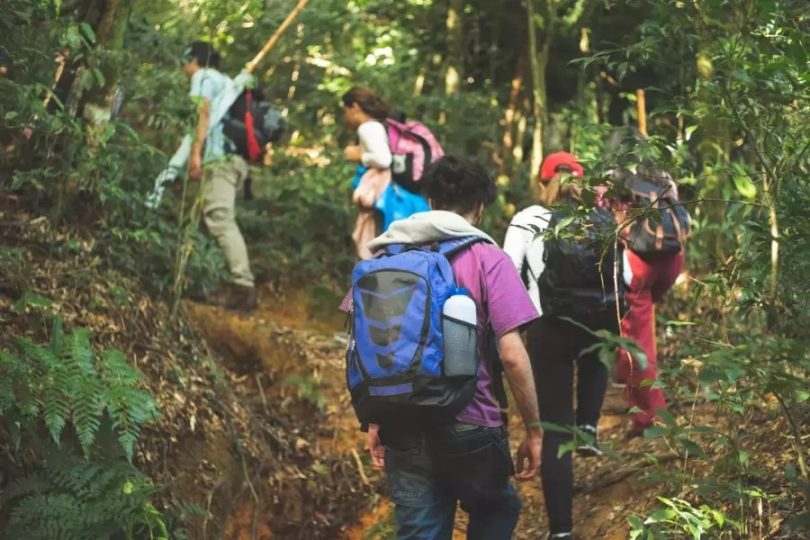

Traveling the world is a rewarding experience that allows us to explore new cultures, landscapes, and histories. However, as the environmental impact of mass tourism becomes increasingly clear, it’s essential to think about how we can enjoy our travels without causing harm to the planet. In 2025, sustainable travel is not just a trend but a necessity for preserving the beauty and diversity of the world for future generations. This article will explore practical tips for sustainable travel, from minimizing your carbon footprint to supporting eco-conscious businesses.
1. Minimizing Your Carbon Footprint
One of the biggest environmental concerns related to travel is the carbon emissions produced by transportation, particularly air travel. According to the International Air Transport Association, aviation is responsible for about 2-3% of global CO2 emissions. As more people travel globally, it’s important to take steps to minimize the environmental impact of transportation.
Sustainable travel tips:
-
Fly less, and choose direct flights: Whenever possible, opt for fewer flights. Consider alternative transportation methods, like trains or buses, which have a significantly lower carbon footprint than flying. If flying is necessary, choose direct flights, as takeoffs and landings are the most fuel-intensive parts of the journey.
-
Offset your carbon emissions: Many airlines and organizations offer carbon offset programs that allow travelers to fund projects aimed at reducing carbon emissions, such as reforestation or renewable energy projects. Consider purchasing offsets when booking flights.
-
Use eco-friendly transport: Once at your destination, choose public transportation, electric vehicles, or bicycles instead of taxis or rental cars. Many cities around the world are now equipped with electric scooter-sharing programs, which offer an eco-friendly and fun way to get around.
By making thoughtful transportation choices, you can significantly reduce your carbon footprint while traveling.
2. Choosing Sustainable Accommodations
Where you stay during your travels can have a significant impact on the environment. Traditional hotels and resorts often consume large amounts of energy, water, and resources, leading to waste and pollution. However, more and more eco-conscious accommodations are emerging, from eco-hotels to sustainable lodges and homestays.
Tips for choosing sustainable accommodations:
-
Look for eco-friendly certifications: Seek out accommodations that have earned sustainability certifications, such as Green Key, EarthCheck, or the Green Globe Certification. These certifications indicate that the property has made efforts to reduce its environmental impact through energy conservation, waste reduction, and sustainable sourcing.
-
Stay in locally-owned accommodations: Opting for locally-owned hotels, guesthouses, or homestays not only supports the local economy but also reduces the environmental impact associated with large international hotel chains. These businesses tend to have a smaller carbon footprint and are often more involved in preserving local culture and environment. Independent properties like Ferienhaus La Palma reflect this approach, where operations tend to be more mindful of resource use and more closely tied to the surrounding environment.
-
Support eco-resorts and sustainable tourism operators: Many eco-resorts prioritize sustainability in their operations, using renewable energy, minimizing waste, and conserving water. Look for resorts that focus on conservation efforts, protect local wildlife, and implement sustainable practices.
By selecting eco-friendly accommodations, you can contribute to the preservation of natural environments and help support local communities.
3. Traveling Light and Reducing Waste
Excessive packing and disposable products contribute to waste and environmental harm. By adopting a more minimalist approach to travel, you can reduce your environmental impact and make your journey more efficient.
Sustainable travel tips:
-
Pack light: Avoid overpacking by taking only what you need. This reduces the weight of your luggage, which in turn lowers fuel consumption, especially on flights. Lighter luggage means less energy is required to transport it, making your trip more eco-friendly.
-
Use reusable items: Bring reusable water bottles, coffee cups, shopping bags, and utensils to avoid relying on single-use plastics. Many destinations, especially in Europe, have already implemented bans on single-use plastics, but it’s still essential to carry your own eco-friendly alternatives.
-
Choose sustainable travel products: Opt for eco-friendly travel gear, such as biodegradable toiletries, natural sunscreen, and bamboo toothbrushes. These small changes can reduce plastic waste and environmental impact during your trip.
Traveling with fewer items and fewer disposable products not only makes your trip more sustainable but also simplifies the overall experience.
4. Supporting Local Communities and Conservation Efforts
One of the most meaningful ways to practice sustainable travel is by supporting local businesses, artisans, and conservation initiatives. Sustainable travel isn’t just about reducing environmental impact—it’s also about fostering positive cultural exchange and contributing to the well-being of local communities.
Tips for supporting local economies:
-
Eat local and seasonal foods: Supporting local farmers and restaurants is a great way to enjoy authentic cuisine while reducing your carbon footprint. Local and seasonal foods don’t require long transportation times or refrigeration, which helps lower energy consumption.
-
Buy from local artisans: Instead of buying mass-produced souvenirs, seek out handmade items from local artisans. Not only will this give you a unique and meaningful memento, but it will also support the local economy and craftsmanship.
-
Participate in responsible wildlife tourism: If you plan to visit wildlife reserves or national parks, ensure that you choose tour operators who are committed to ethical wildlife conservation. Avoid tours that exploit animals, such as elephant rides or photos with captive animals, and instead, support ethical sanctuaries that prioritize animal welfare.
By choosing sustainable tourism operators and supporting local businesses, you help protect the environment and promote the prosperity of the communities you visit.
5. Embracing Slow Travel
In an age of instant gratification, slow travel is a refreshing approach that focuses on immersing yourself in the local culture and taking your time to explore a destination. Slow travel encourages a deeper connection to the places you visit, and it’s inherently more sustainable because it minimizes the need for frequent long-distance travel.
Benefits of slow travel:
-
Less environmental impact: By taking longer trips and staying in one place for an extended period, you reduce the frequency of long-haul flights, lowering your overall carbon footprint.
-
Deeper cultural experiences: Slow travel gives you the time to understand the local culture, language, and lifestyle. Instead of rushing through a checklist of tourist attractions, you can engage more meaningfully with the community.
-
Support sustainable tourism: Slow travel often involves smaller-scale accommodations, local transportation, and visits to lesser-known destinations that benefit from tourist dollars without the strain of mass tourism.
If you’re looking to reduce your environmental impact while traveling, slow travel is a sustainable choice that also enhances the quality of your travel experience.
6. Responsible Wildlife and Nature Experiences
Nature and wildlife tourism can contribute to the local economy, but it must be done responsibly to ensure the preservation of ecosystems and the welfare of animals. Sustainable wildlife and nature-based experiences prioritize conservation and ethical practices.
Tips for responsible wildlife tourism:
-
Choose ethical wildlife tours: Always opt for wildlife experiences that do not exploit animals, such as sanctuaries that rehabilitate and release animals into the wild, rather than those offering staged photo opportunities or animal performances.
-
Respect nature and wildlife: Follow guidelines for nature excursions, stay on marked trails, and avoid disturbing wildlife. Leave no trace of your visit and avoid picking plants or disturbing natural habitats.
-
Support conservation projects: Look for opportunities to support wildlife and conservation efforts, either through donations or by participating in responsible eco-tours that contribute to habitat protection.
By being mindful of how you interact with nature and wildlife, you can ensure that your travels support the preservation of the planet’s most vulnerable ecosystems.
Conclusion: Traveling Responsibly in 2025
Sustainable travel in 2025 is about making conscious choices that reduce your environmental impact, support local economies, and contribute to the preservation of the world’s natural wonders. By embracing eco-friendly practices, choosing responsible tourism operators, and focusing on experiences that prioritize cultural and environmental integrity, you can explore the world without harming the planet.
The rise of sustainable travel practices reflects a growing awareness that our actions as travelers have consequences. By adopting these mindful practices, we can all do our part in preserving the planet for future generations, making our travel experiences richer and more meaningful.
FAQs
What is sustainable travel?
A1: Sustainable travel focuses on minimizing environmental impact, supporting local economies, and promoting cultural preservation while exploring new destinations.
How can I reduce my carbon footprint while traveling?
A2: Fly less, choose direct flights, use public transport, walk or bike, and consider offsetting your carbon emissions through programs offered by airlines or eco-organizations.
What are eco-friendly accommodations?
A3: Eco-friendly accommodations are hotels, hostels, or resorts that adopt sustainable practices, such as using renewable energy, reducing waste, and supporting local communities.
How can I support local economies while traveling?
A4: Support local businesses by buying handmade souvenirs, eating at locally-owned restaurants, and engaging in cultural activities that promote local traditions.
Why is slow travel more sustainable?
A5: Slow travel minimizes the need for frequent long-distance travel, reducing carbon emissions, and encourages deeper cultural engagement with the places you visit