
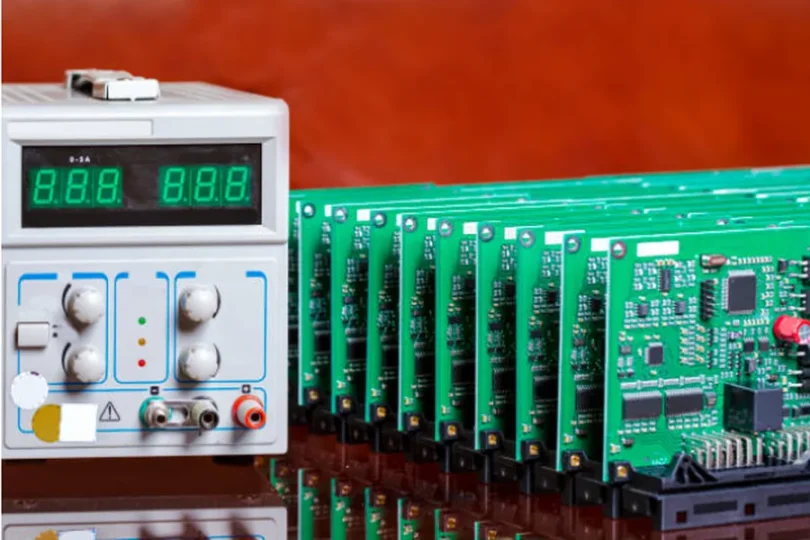

As modern technology continues to evolve, electronic devices are becoming faster, smaller, and more powerful. From 5G communication systems to advanced computing devices, high-speed performance is now a basic requirement. However, achieving high performance is not just about using advanced components—it also depends heavily on the quality of the printed circuit board (PCB).
One of the most important but often overlooked aspects of PCB design and fabrication is signal integrity. It plays a critical role in ensuring that electronic signals travel smoothly across the board without distortion or loss.
In this article, we will explore what signal integrity is, why it matters, and how proper PCB fabrication helps maintain it.
What Is Signal Integrity?
Signal integrity refers to the quality and reliability of electrical signals as they travel through a PCB. In simple terms, it ensures that signals remain clear, accurate, and free from interference.
When signal integrity is maintained:
- Data is transmitted correctly
- Devices perform efficiently
- Errors are minimized
However, when signal integrity is poor, it can lead to serious issues such as:
- Data corruption
- Signal delay
- System instability
Why Signal Integrity Is More Important Than Ever
In older electronic systems, signal speeds were relatively low, and minor imperfections did not cause major problems. However, today’s devices operate at extremely high speeds, making them more sensitive to even small issues.
Key Reasons for Its Importance:
- High-Speed Data Transmission
Technologies like 5G, IoT, and cloud computing require fast and accurate data transfer. Any signal distortion can reduce performance and cause errors.
- Miniaturization of Devices
As devices become smaller, components are placed closer together. This increases the risk of interference between signals.
- Increased Circuit Complexity
Modern PCBs have multiple layers and complex routing, making signal management more challenging.
Common Causes of Signal Integrity Issues
Understanding the causes of signal problems helps in preventing them.
- Poor PCB Layout
Incorrect trace routing or spacing can cause signal interference and loss.
- Impedance Mismatch
When impedance is not properly controlled, signals can reflect back, causing distortion.
- Crosstalk
Signals from one trace can interfere with nearby traces, leading to errors.
- Inadequate Grounding
Poor grounding can create noise and instability in the circuit.
- Low-Quality Materials
Inferior materials can affect conductivity and signal performance.
To avoid these issues, many companies rely on professional PCB Fab & Fabrication Services that ensure precision and high-quality manufacturing standards.
How PCB Fabrication Affects Signal Integrity
PCB fabrication is not just about creating a board—it directly impacts how signals behave.
- Precision in Trace Routing
Accurate trace routing ensures that signals travel efficiently without interference.
- Controlled Impedance
High-quality fabrication allows precise control over impedance, which is critical for high-speed circuits.
- Layer Alignment
Proper alignment of PCB layers ensures consistent signal paths and reduces noise.
- Material Selection
Advanced materials improve conductivity and reduce signal loss.
- Surface Finishing
Smooth and consistent surface finishing enhances signal flow and reliability.
Best Practices for Maintaining Signal Integrity
To ensure strong signal performance, businesses should follow these best practices:
- Optimize PCB Design
Design your PCB with proper spacing, routing, and grounding techniques.
- Use High-Quality Materials
Choose materials that support high-speed signal transmission.
- Minimize Trace Length
Shorter traces reduce signal delay and improve performance.
- Maintain Proper Spacing
Adequate spacing prevents interference between signals.
- Work with Experienced Fabricators
Experienced manufacturers understand the complexities of signal integrity and can help optimize your design.
The Business Impact of Signal Integrity
Signal integrity is not just a technical concept—it has a direct impact on business success.
- Product Performance
Devices with strong signal integrity perform better and deliver a smoother user experience.
- Reduced Failure Rates
Proper signal management reduces the chances of errors and system failures.
- Customer Satisfaction
Reliable performance leads to positive customer feedback and repeat business.
- Competitive Advantage
High-quality products help businesses stand out in a competitive market.
Challenges in High-Speed PCB Design
Maintaining signal integrity becomes more difficult as technology advances.
- Increasing Data Speeds
Higher speeds make circuits more sensitive to interference.
- Compact Designs
Smaller boards leave less space for proper routing.
- Complex Layer Structures
Multi-layer PCBs require precise alignment and design.
These challenges highlight the importance of working with skilled professionals who understand advanced PCB fabrication techniques.
Why Professional PCB Fabrication Matters
High-speed PCB design requires more than just basic manufacturing. It demands precision, expertise, and advanced technology.
Professional fabrication services provide:
- Accurate manufacturing processes
- Advanced inspection techniques
- Reliable material selection
- Consistent quality across batches
For businesses developing high-performance electronics, choosing trusted PCB Fab & Fabrication Services ensures that signal integrity is maintained throughout the production process.
Future Trends in High-Speed PCB Technology
The demand for high-speed electronics will continue to grow, driving innovation in PCB fabrication.
Emerging Trends Include:
- Advanced materials for better conductivity
- Improved simulation tools for signal analysis
- AI-based design optimization
- Higher layer count PCBs for complex systems
These advancements will further improve signal integrity and overall device performance.
The Link Between Signal Integrity and Innovation
Innovation in electronics depends heavily on reliable signal transmission. Without proper signal integrity, even the most advanced designs can fail.
By focusing on signal quality during design and fabrication, businesses can create products that are not only powerful but also reliable and efficient.
Final Thoughts
Signal integrity is a critical factor in modern PCB design and fabrication. It ensures that electronic devices perform efficiently, reliably, and without errors.
As technology continues to advance, maintaining signal integrity will become even more important. Businesses that prioritize high-quality PCB fabrication will be better positioned to succeed in a competitive market.
For companies aiming to build high-performance electronic products, globalwellpcba.com offers the expertise and precision needed to ensure strong signal integrity and reliable performance.