
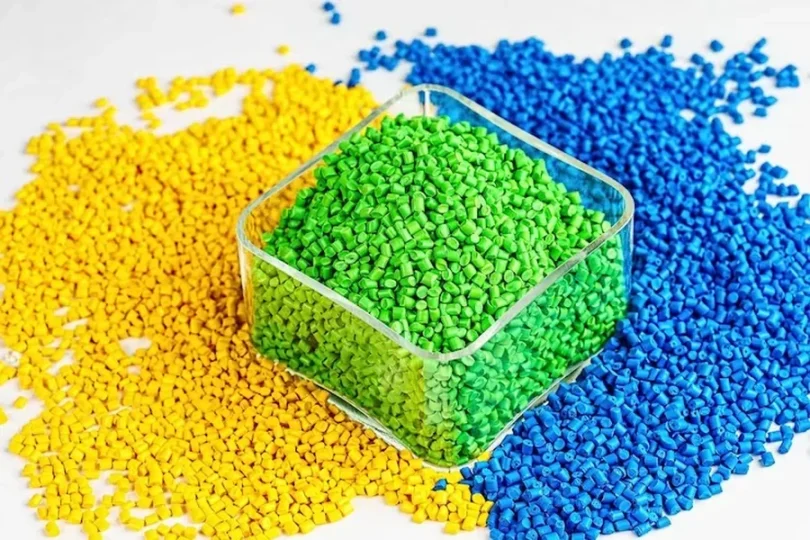

Manufacturing decisions in plastic processing often come down to material costs, but the choice between reprocessed and virgin plastic granules involves more than initial pricing. Production managers face pressure to maintain quality standards while controlling expenses, particularly as raw material costs fluctuate and environmental regulations become stricter. Understanding the true cost implications of both options requires examining not just purchase prices, but processing characteristics, quality consistency, and long-term operational impacts that affect the bottom line.
The decision becomes more complex when considering that material costs can represent 60 to 70 percent of total production expenses in plastic manufacturing. A choice that appears cost-effective initially may create downstream issues that outweigh savings, while what seems expensive upfront might deliver better overall value through improved processing efficiency and reduced waste.
Material Characteristics and Processing Performance
Virgin plastic granules maintain consistent molecular structure because they originate from fresh polymerization processes. This consistency translates to predictable flow characteristics, uniform melting temperatures, and stable processing parameters across production runs. For manufacturers operating high-volume injection molding or extrusion lines, this predictability reduces setup time and minimizes adjustment periods between batches.
Reprocessed plastic granules present different characteristics due to their recycling history. The Reprocessed Plastic Granules overview shows that these materials undergo mechanical recycling processes that can introduce variability in molecular weight distribution and may contain trace contaminants from previous applications. However, modern reprocessing techniques have significantly improved quality control, making these materials viable for many applications where absolute consistency is not critical.
Processing temperature requirements often differ between the two options. Virgin materials typically require standard processing parameters established by resin manufacturers, while reprocessed materials may need adjusted temperatures or longer residence times to achieve proper melt flow. These adjustments can impact energy consumption and cycle times, factors that affect overall production costs beyond raw material pricing.
Quality Consistency and Batch Variation
Virgin plastic granules offer minimal batch-to-batch variation because production occurs under controlled conditions with consistent feedstock. This reliability proves valuable for applications requiring tight tolerances or specific aesthetic standards. Manufacturers can establish processing parameters and expect them to remain stable across multiple production runs.
Reprocessed materials may exhibit more variation between batches due to differences in source materials and processing conditions. While quality reprocessors implement sorting and cleaning protocols to minimize these differences, some variation remains inherent to the recycling process. This variability requires more frequent monitoring and potential parameter adjustments during production.
Contamination and Additive Content
The contamination profile differs significantly between virgin and reprocessed materials. Virgin granules contain only intentional additives like stabilizers, colorants, or processing aids added during manufacturing. This known composition allows processors to predict material behavior and plan for specific performance characteristics.
Reprocessed granules may contain residual contaminants from previous applications, despite cleaning processes. These can include adhesive residues, other polymer types, or degraded material that affects processing and final product properties. Quality suppliers implement detection and removal systems, but complete elimination of all contaminants remains challenging in recycling operations.
Direct Cost Comparison and Hidden Expenses
Purchase price represents the most visible cost difference between virgin and reprocessed plastic granules. Reprocessed materials typically cost 20 to 40 percent less than virgin alternatives, creating immediate appeal for cost-conscious operations. However, this price differential tells only part of the story when calculating total production expenses.
Processing efficiency impacts often offset some of the initial savings from reprocessed materials. Extended cycle times, increased energy consumption for modified processing parameters, and higher scrap rates can reduce the effective cost advantage. Virgin materials generally process more efficiently, requiring less energy and producing more consistent output with lower reject rates.
Waste and Scrap Rate Considerations
Scrap rates typically increase when using reprocessed materials due to quality variations and processing challenges. While virgin materials might generate scrap rates of two to four percent in well-controlled operations, reprocessed materials may produce five to eight percent scrap depending on application requirements and material quality.
This increased waste affects material utilization efficiency and disposal costs. However, reprocessed materials often cost less to dispose of as waste since they already represent recycled content, and some facilities can reprocess their own scrap more easily when working with recycled feedstock.
Equipment Wear and Maintenance Impact
Material hardness and abrasive characteristics influence equipment wear rates and maintenance requirements. Virgin materials generally cause less wear on processing equipment due to their consistent composition and lack of hard contaminants. This translates to longer intervals between maintenance events and reduced replacement costs for wear components.
Reprocessed materials may accelerate wear on screws, barrels, and molds if they contain abrasive contaminants or require higher processing temperatures. However, modern reprocessing techniques have reduced these issues significantly, and the impact varies greatly depending on material source and processing quality.
Application-Specific Performance and Limitations
The suitability of reprocessed versus virgin materials depends heavily on end-use requirements and performance expectations. Applications requiring high strength, clarity, or specific chemical resistance often necessitate virgin materials to meet performance standards. Products with less demanding requirements may perform adequately with reprocessed materials while achieving significant cost savings.
Regulatory requirements also influence material selection. Food contact applications, medical devices, and other regulated products typically require virgin materials or specially certified recycled content. The FDA maintains specific guidelines for recycled plastic use in food packaging, which can limit options for manufacturers in these sectors.
Mechanical Properties and Performance Degradation
Recycling processes inevitably cause some degree of polymer chain degradation, affecting mechanical properties like tensile strength, impact resistance, and flexibility. Virgin materials maintain full property profiles as specified by resin manufacturers, providing predictable performance in demanding applications.
The extent of property degradation in reprocessed materials depends on recycling method, number of processing cycles, and contamination levels. Single-stream recycled materials often retain 85 to 95 percent of original properties, while materials from multiple recycling cycles may show more significant degradation.
Color and Aesthetic Considerations
Color matching and aesthetic consistency present challenges when using reprocessed materials. Virgin granules accept colorants predictably and maintain consistent appearance across production runs. Reprocessed materials may have slight color variations or contain color contamination that affects final product appearance.
For products where appearance matters, virgin materials often provide better color consistency and surface finish quality. However, reprocessed materials work well for applications where appearance is secondary or where natural color variations are acceptable.
Supply Chain and Availability Factors
Supply chain reliability differs between virgin and reprocessed material sources. Virgin material suppliers typically maintain consistent production schedules and can provide delivery commitments based on established manufacturing capacity. Major resin producers operate continuous processes that ensure steady supply availability.
Reprocessed material availability depends on collection and processing of recycled feedstock, creating potential supply variability. Seasonal fluctuations in recycling collection rates, changes in waste stream composition, and processing facility capacity can affect availability and pricing of reprocessed materials.
Inventory Management and Storage Requirements
Storage requirements generally remain similar for both material types, though reprocessed materials may require more careful inventory rotation to prevent degradation during extended storage periods. Virgin materials typically maintain consistent properties during storage, while reprocessed materials may be more susceptible to moisture absorption or oxidation.
Inventory carrying costs reflect the price differential between material types. Lower-cost reprocessed materials reduce inventory investment requirements, though this advantage may be offset by the need for larger safety stocks due to supply variability.
Environmental Impact and Regulatory Considerations
Environmental factors increasingly influence material selection decisions as companies face pressure to reduce carbon footprints and demonstrate sustainability commitments. Reprocessed materials offer clear environmental advantages by diverting waste from landfills and reducing demand for virgin resin production.
Carbon footprint calculations typically favor reprocessed materials despite potentially higher energy consumption during processing. The energy required to produce virgin resins from petroleum feedstock generally exceeds the energy needed for mechanical recycling processes, making reprocessed materials more environmentally favorable from a lifecycle perspective.
Regulatory Compliance and Reporting
Sustainability reporting requirements may influence material selection as companies track recycled content usage and waste reduction metrics. Using reprocessed materials helps meet corporate sustainability goals and may satisfy customer requirements for environmentally responsible sourcing.
Some jurisdictions implement regulations requiring minimum recycled content in certain products, making reprocessed materials necessary for compliance rather than optional for cost savings. These regulations continue expanding, potentially making recycled content usage mandatory rather than voluntary in more applications.
Decision Framework for Material Selection
Successful material selection requires balancing multiple factors beyond simple cost comparison. Manufacturers need systematic approaches that consider application requirements, quality standards, supply chain reliability, and total cost of ownership rather than focusing solely on purchase price differences.
Risk tolerance plays a crucial role in material selection decisions. Operations with tight quality requirements and low tolerance for variation typically favor virgin materials despite higher costs. Facilities with more flexible quality standards and cost pressure may accept the variability of reprocessed materials to achieve savings.
The decision often involves testing both options under actual production conditions to understand real-world performance differences. Laboratory testing provides initial guidance, but production trials reveal processing characteristics, quality outcomes, and efficiency impacts that determine true cost effectiveness.
Conclusion
The choice between reprocessed and virgin plastic granules requires careful analysis that goes beyond initial material costs to consider processing efficiency, quality consistency, and application-specific requirements. While reprocessed materials offer significant cost savings and environmental benefits, they may require adjustments to processing parameters and quality expectations that affect overall production economics.
Manufacturers achieve the best outcomes by matching material selection to specific application needs rather than applying blanket decisions across all products. High-performance applications often justify virgin material costs through improved consistency and reduced risk, while less demanding applications can capture savings from reprocessed materials without compromising acceptable quality levels.
Success with either option depends on establishing relationships with reliable suppliers who understand processing requirements and can provide consistent quality materials. Whether choosing virgin or reprocessed granules, supplier capability and quality systems often matter more than material type in determining production success and total cost effectiveness.