

Exterior doors are more than entry and exit points; they are structural components that directly influence thermal control, indoor comfort, and energy consumption. When insulation performance is discussed, attention often shifts to attic insulation or window glazing, yet doors represent a critical transition zone between conditioned indoor air and fluctuating outdoor temperatures. Even minor inefficiencies in a door system can create drafts, heat transfer, and pressure imbalances that increase utility costs. We will explore how exterior doors influence insulation performance, examining material composition, sealing mechanisms, installation practices, and long-term maintenance considerations that shape a home’s thermal efficiency.
Key Factors That Determine Door Insulation Performance
Material Composition and Core Structure
The insulating value of an exterior door largely depends on its material composition and internal core design. Solid wood doors, steel doors with insulated cores, and fiberglass models each respond differently to temperature changes and moisture exposure. Wood offers natural density but can expand and contract with humidity shifts, potentially affecting airtightness over time. Steel doors often contain polyurethane or polystyrene foam cores that enhance thermal resistance by reducing conductive heat transfer. Fiberglass doors combine durability with insulating cores, maintaining dimensional stability in varying climates. Homeowners researching door materials and performance considerations can review additional product insights and installation information at https://harleyexteriors.com/ to better understand how door construction influences overall energy efficiency.
The R-value, which measures resistance to heat flow, differs significantly among door types. A door with a higher R-value reduces thermal bridging, limiting heat loss in winter and heat gain in summer. Beyond the slab itself, the frame material—whether wood, composite, or metal—also affects overall insulation performance. A high-quality insulated core, paired with a thermally efficient frame, minimizes heat transfer and strengthens the building envelope’s continuity.
While focus is often placed on the front entry, the largest opening in a home’s thermal envelope is frequently found in the garage. An uninsulated or poorly sealed overhead door can act as a massive heat sink, pulling warmth from adjacent living spaces and forcing HVAC systems to work overtime. Regular garage door maintenance and repair is essential for ensuring that weatherstripping remains pliable and the structural alignment stays true to prevent significant air infiltration. By addressing these often-overlooked gaps and maintaining the integrity of the door’s seals, homeowners can significantly enhance their property’s overall energy profile and protect the interior environment from seasonal temperature extremes.
Weatherstripping and Air Sealing Systems
Even a well-insulated door loses effectiveness if gaps allow uncontrolled air infiltration. Weatherstripping plays a central role in sealing the perimeter of the door, preventing conditioned air from escaping and outdoor air from entering. Compression seals, magnetic strips, and foam gaskets each serve to maintain consistent contact between the door slab and frame. Over time, however, weatherstripping can degrade due to friction, ultraviolet exposure, and temperature cycling. When seals flatten or crack, small air leaks develop, compromising insulation performance. Drafts not only reduce comfort but also force heating and cooling systems to operate longer cycles, increasing energy consumption. Proper threshold alignment and sweep installation at the bottom edge further reinforce airtightness.
Together, these components create a continuous barrier that supports stable indoor temperatures. Without effective sealing, even a high-R-value door will underperform, demonstrating that insulation performance relies as much on air control as on material thickness.
Installation Quality and Thermal Bridging
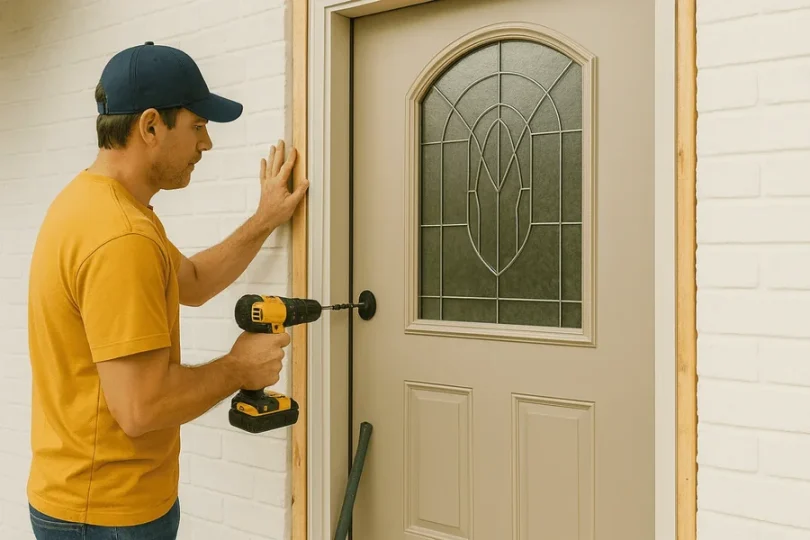
Installation practices significantly influence how well an exterior door performs thermally. Improper alignment, inadequate shimming, or insufficient insulation around the rough opening can create thermal bridges. These bridges allow heat to bypass the insulated door slab and travel directly through the framing into the home. Spray foam insulation or high-density backer rods around the door frame help seal cavities between the frame and wall assembly. Flashing and moisture barriers also help prevent water intrusion, which can degrade insulation materials over time.
Even minor misalignments can cause uneven pressure on weatherstripping, resulting in localized air leaks. Professional installation ensures the door sits square within the opening, maintains consistent compression along seals, and integrates seamlessly with the wall’s insulation system. A door’s thermal rating assumes proper installation; deviations from manufacturer specifications can substantially reduce performance. Therefore, installation quality is not a secondary detail but a determining factor in achieving optimal insulation outcomes.
Glass Inserts and Glazing Technology
Many exterior doors incorporate decorative or functional glass inserts, which influence insulation performance depending on glazing technology. Single-pane glass offers minimal thermal resistance, allowing significant heat transfer. Double- or triple-pane insulated glass units, particularly those filled with inert gases such as argon, reduce conductive and convective heat flow. Low-emissivity coatings further limit radiant heat transfer by reflecting infrared energy while allowing visible light to pass through.
The size and placement of glass panels also matter; larger inserts increase heat exchange potential, whereas smaller, strategically positioned panels limit exposure. Proper edge sealing of glass units prevents condensation and maintains long-term performance. Homeowners often choose glass designs for aesthetic reasons, yet insulation implications should guide selection decisions. When glazing is engineered with energy efficiency in mind, it balances natural light with thermal stability. A thoughtfully designed glass insert can complement insulation goals rather than undermine them.
Long-Term Maintenance and Environmental Exposure
Exterior doors endure constant environmental stress from sunlight, precipitation, wind pressure, and temperature fluctuations. Over time, these factors can alter material integrity and reduce insulation effectiveness. Paint or finish deterioration on wood doors can allow moisture to be absorbed, leading to swelling or warping that disrupts airtight seals. Metal doors may develop minor corrosion if protective coatings degrade, affecting structural stability. Regular inspection and maintenance preserve performance by addressing early signs of wear.
Replacing worn weatherstripping, adjusting hinges to maintain alignment, and resealing thresholds prevent minor inefficiencies from escalating into measurable energy loss. Climate also plays a role; regions with extreme temperature variations place greater stress on door systems. Selecting materials suited to local conditions and maintaining them consistently ensures sustained insulation performance. A door that performs efficiently at installation must be maintained to preserve that efficiency throughout its service life.
Exterior doors play a substantial role in shaping a home’s insulation performance by influencing heat transfer, air infiltration, and mechanical system demand. Material composition, sealing systems, installation precision, glazing technology, and maintenance practices collectively determine how effectively a door supports the building envelope. Rather than viewing doors solely as architectural features, recognizing their insulation function encourages informed decisions that protect both comfort and long-term operating costs. Thoughtful selection and upkeep ensure that exterior doors contribute meaningfully to efficient home performance.