
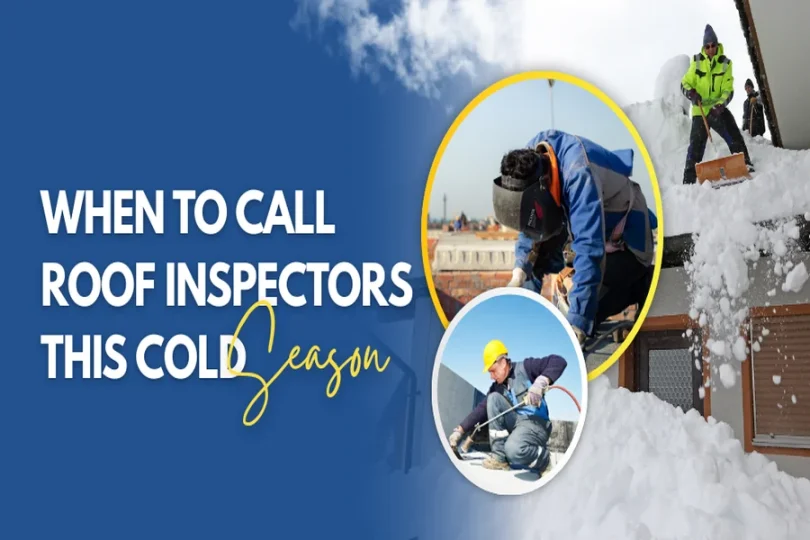

Do you catch yourself checking the ceiling every time it rains or snows? Cold-season weather can cause water to seep into tiny gaps, and freezing temperatures can exacerbate these weak areas. That’s why a timely roof assessment helps you catch risks before they escalate into costly repairs. And when you take action early with proper damage control, you avoid the stress of winter emergencies altogether. Continue reading as we guide you through what to watch for and how local roof inspectors make the process easier.
Winter Red Flags to Watch
Cold weather can reveal roofing issues that need prompt attention. Spotting these warning signs early helps homeowners decide when to schedule a roof assessment. The following red flags often appear during winter:
- Ice dams: Ice buildup along the roof edges blocks proper drainage and increases the chance of leaks.
- Cracked shingles: Broken or brittle shingles allow moisture to enter the roofing system, compromising its integrity.
- Interior stains: Marks on ceilings or walls indicate water intrusion from damaged roof areas.
- Sagging gutters: Heavy ice can pull gutters away from the home, causing drainage issues.
- Cold drafts: Air leaks near attic spaces signal possible roof or insulation issues.
Moreover, taking prompt action strengthens overall damage control. The following steps help limit the spread of winter-related issues:
- Schedule a roof assessment early: Timely inspections reduce the risk of worsening leaks.
- Clear ice buildup safely: Proper removal lowers pressure on shingles and gutters.
- Repair affected areas: Fixing shingles, flashing, or gutters prevents winter damage from expanding.
How Snow and Ice Impact Your Roof
Winter conditions place consistent stress on roofing systems. The following factors commonly contribute to hidden damage:
- Heavy snow loads: Accumulated snow adds weight that strains shingles, decking, and structural supports.
- Expanding ice: Ice enlarges small gaps under shingles and shifts materials out of place.
- Temperature fluctuations: Freeze-thaw cycles weaken components and speed up wear.
- Ice dams: Blocked drainage forces melting water under shingles and into roof layers.
As the chill of winter sets in, ensuring your roof is in top condition becomes paramount. Regular inspections can prevent minor issues from escalating into costly repairs. If you notice any signs of damage, such as missing shingles or leaks, it’s crucial to act swiftly. Don’t wait for the next storm to reveal hidden vulnerabilities. Instead, take proactive steps to safeguard your home. To ensure your roof is ready to withstand the elements, consider scheduling a professional evaluation. It’s easy to book your service and gain peace of mind knowing your roof is prepared for whatever winter may bring. Taking these steps is especially important in regions that face heavy snowfall and fluctuating temperatures. Professionals like those at Superior Roofing understand how local weather patterns can impact different roofing materials over time. By having an expert check your shingles, flashing, and gutters before the worst of the season arrives, you can address minor wear and tear that might otherwise lead to leaks. This type of routine care helps maintain the structural integrity of your home and ensures that your property remains dry and well-insulated throughout the colder months.
Additionally, inspecting a roof during cold weather often reveals issues that become harder to spot once the snow melts. A winter roof assessment helps in the following ways:
- Identify moisture pockets: Inspectors locate trapped water before it spreads through insulation.
- Detect early deterioration: Weakened shingles, loose flashing, and softened decking become easier to spot.
- Evaluate stress from snow weight: Seasonal load patterns help show where the roof is under strain.
- Prevent extensive repairs: Addressing minor winter issues reduces spring maintenance costs.
Benefits of Calling Local Roof Inspectors
Regional weather conditions and seasonal shifts influence how a roof ages and responds to stress. Local knowledge helps address issues quickly. The following points explain why working with local roof inspectors is beneficial:
- Familiarity with local weather: They understand how wind, snow, rain, and temperature changes affect common roof materials.
- Faster emergency response: Proximity enables them to arrive sooner in the event of sudden issues.
- Awareness of local building styles: Their experience with neighborhood roof designs helps them identify weaknesses more accurately.
- Improved seasonal preparation: They can recommend updates that strengthen roofs ahead of harsh weather.
Furthermore, accurate evaluations support long-term safety and performance. These points highlight their value:
- Thorough damage assessments: Detailed inspections identify problems before winter conditions worsen them.
- Better winter safety: Finding ice dam risks, loose shingles, or insulation gaps reduces hazards.
- Enhanced long-term stability: Climate-specific recommendations help extend the lifespan of roof materials.
- Stronger emergency planning: Reliable guidance improves overall damage control during severe weather events.
As the winter months approach, it’s crucial to ensure your roof is in top condition to withstand the harsh weather. Regular inspections can prevent minor issues from escalating into costly repairs. For those seeking detailed service information, it’s advisable to consult with professionals who can provide a thorough assessment and recommend necessary maintenance. This proactive approach not only extends the lifespan of your roof but also offers peace of mind during the colder season. Remember, addressing potential problems early can save you from unexpected expenses and keep your home safe and secure.
Staying Ahead With Seasonal Damage Control
Seasonal changes can expose minor issues that grow worse during colder months. Taking steps early supports effective damage control and helps prevent winter disruptions. Consider the following actions:
- Clear debris from gutters and downspouts: This ensures water flows correctly and reduces the risk of overflow.
- Check roof flashing: Inspecting metal flashing around chimneys and vents helps prevent water intrusion.
- Inspect exterior seals: Reviewing caulking around windows and doors limits moisture entry.
- Trim overhanging branches: Cutting branches away from the home reduces the risk of damage to the roof or siding.
Routine inspections also play an essential role in preventing winter repairs. The following practices improve your overall preparedness:
- Schedule evaluations with local roof inspectors: Their expertise helps identify early roof issues before they worsen.
- Monitor attic ventilation: Proper airflow helps reduce condensation and ice dam formation.
- Review foundation areas: Checking for cracks helps prevent structural stress during freezing temperatures.
- Examine insulation quality: Confirming insulation levels supports energy efficiency and moisture control.
Secure Your Roof This Winter!
Winter challenges your roof in many ways, but prompt action and expert guidance help keep things manageable with steady damage control throughout the season. A professional roof assessment shows you what’s happening above your home and helps you fix minor issues before they turn into winter emergencies. Since prompt support is crucial, contacting local roof inspectors is your best option for receiving timely and practical assistance. Book your cold-season roof inspection today and keep your home safe, secure, and worry-free through the winter ahead.