
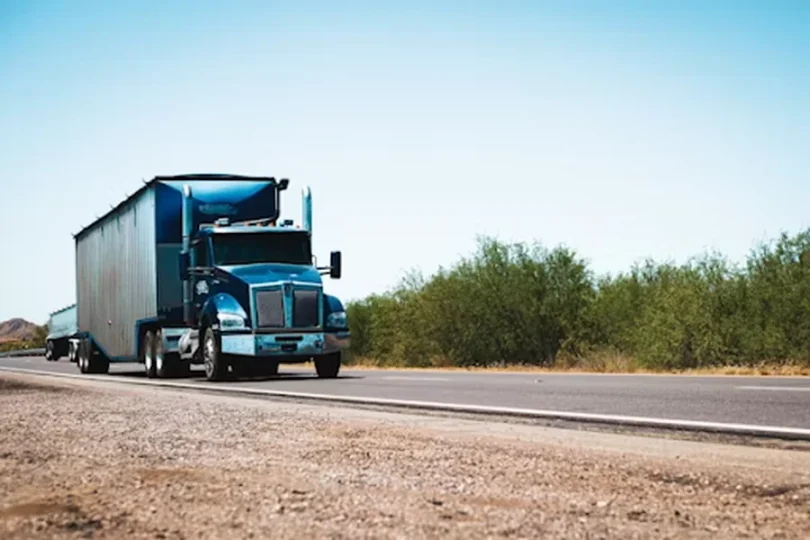

how to handle a truck. A smart trucker also knows what is happening around the truck. This distinction will become increasingly important as the trucking industry evolves rapidly.
There are technological advances, new regulations, ongoing freight rate developments, and operating expense issues to consider. On the other hand, drivers are subjected to new safety considerations and requirements from carriers and customers.
Under such circumstances, on-the-road experience will still matter, but it will no longer be the only factor that makes a driver special. Understanding how the industry works will help truckers adapt to change, avoid unpleasant surprises, and make smarter decisions.
It may also provide additional opportunities that would otherwise go unnoticed. For the modern trucker, industry knowledge may become an essential tool of the trade. While industry knowledge cannot be carried in the cab like any other tangible resource, it can become one of the most useful ones.
Here’s how industry knowledge is becoming every trucker’s secret weapon.
1. Regulations Are Easier to Handle When You Know What Is Changing
There are many regulations governing the trucking industry. Drivers need to monitor hours of service, electronic logs, vehicle inspections, licensing, drug and alcohol testing, and safety requirements, among other things. The difficulty here is that all of these regulations may change from time to time.
This makes industry knowledge particularly valuable. A driver who monitors new regulations is more likely to be aware of them. Instead of becoming aware of a regulation only after it is violated, a driver will be prepared for it in advance. Current news in the trucking industry includes changes to commercial driver licensing, electronic logging requirements, hours of service, and overall compliance.
Drivers do not need to become legal experts. The point is to understand the rules that directly affect their work. A few minutes spent reviewing reliable trucking industry news and official regulatory updates can help prevent confusion later.
2. Understanding Technology Makes the Job Easier
Technology has changed the inside of the truck almost as much as it has changed the office. GPS systems, electronic logs, digital inspection tools, telematics, and driver assistance features are now common parts of trucking. These tools can make some tasks faster and provide drivers with information that was harder to access in the past.
However, having technology is not the same as understanding it. Drivers need to know what their systems do and how to use them correctly. Some systems, for example, can provide information about speeding, hard braking, driver distraction, and other driving events.
3. Freight Market Knowledge Can Put Changes Into Perspective
A trucker need not be a freight broker or an economist to understand the freight market. Still, knowing the basics can be useful. Freight volumes rise and fall. Rates change. Fuel prices move. Consumer demand shifts. All of these factors can affect the work available to drivers.
For example, a slow period may have little to do with a driver’s performance. It could be part of a larger change in freight demand. Likewise, a higher rate does not always mean better earnings if fuel and other operating costs have also increased.
This is where industry knowledge can provide a valuable perspective. When drivers understand what is happening in the market, they can view changes from a broader perspective. They may also be able to recognize seasonal patterns and prepare for periods when freight becomes more or less available. The market will always have ups and downs, but understanding those movements can make them easier to navigate.

4. Safety Knowledge Goes Beyond Passing an Inspection
A driver must know that safety should always come first. Safety does not mean passing an inspection or adhering to speed limits. A truck driver must also know about emerging threats, potential problems with equipment and roads, and what is now important to safety enforcers.
The industry news may inform a driver about some of these matters. Information about inspections, truck problems, unsafe driving practices, and other matters related to driver safety may inform a driver about developing trends in the trucking industry.
This information may be helpful even before drivers turn on their engine. Information about common equipment problems may motivate a driver to conduct a thorough checkup of his equipment. Information about new technology may allow a driver to apply it effectively. Information about enforcers may remind a driver to pay closer attention to specific aspects of their driving.
5. Industry Knowledge Can Shape Career Decisions
Trucking offers various career paths, and drivers may make several changes throughout their careers. Some may switch carriers. Others may become owner-operators, move into specialized freight, or pursue additional qualifications. Each choice can affect income, expenses, responsibilities, and work-life balance.
That is why it helps to understand more than the job being done today. Drivers who follow industry developments can see how technology, regulations, freight demand, and operating costs are affecting different parts of trucking. Coverage of the modern freight market, for instance, has examined the changing value of truck drivers and the skills that matter in today’s industry.
This information can give drivers more to consider as they make career plans. A new opportunity may require different skills. A change in regulations may create new requirements. A shift in freight demand may affect certain types of work more than others. The more a driver understands these factors, the more informed those decisions can be.

Conclusion
It may not be the case that the best tool for a trucker while in his cab is a single gadget. In some cases, it is information. An individual who is familiar with the trucking rules, aware of technological changes, attuned to the dynamics of the freight market, and always thinking about safety is better placed to handle this constantly shifting industry.