
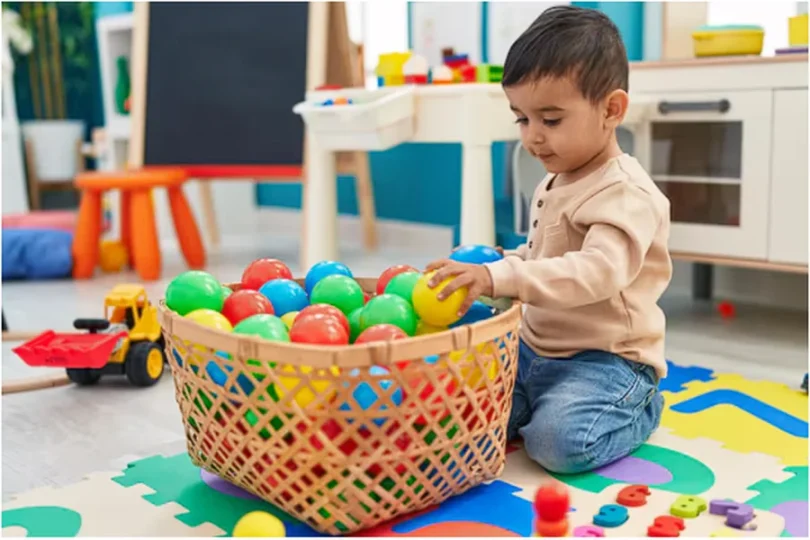

Unlock the path to childhood creativity with the Pop Scheme in preschool education. By blending structured learning, interactive play, and personalized support, this innovative program inspires young minds to explore, imagine, and thrive. Early childhood is a critical period for cognitive, social, and emotional growth, and nurturing creativity during these formative years lays the foundation for lifelong learning and personal development.
The Role of Creativity in Childhood Development
Creativity is more than just art or play—it is a fundamental aspect of how children understand and interact with the world. Engaging in creative activities promotes problem-solving skills, critical thinking, and emotional expression. It allows children to explore ideas freely, build resilience, and develop confidence in their abilities. By fostering imagination, early education programs help children connect concepts, recognize patterns, and think outside the box, preparing them for future academic challenges and personal growth.
Introducing the Pop Scheme Preschool
The Pop Scheme Preschool represents a forward-thinking approach to early childhood education. Designed for children aged three to five, the program focuses on Playful Engagement, Observation-based Learning, and Personalized Support—the three pillars of the POP acronym, as reflected in programmes such as Small Wonder Pop Scheme Preschool. These components combine structured educational activities with free play, enabling children to learn while exploring their natural curiosities.
Pop Scheme embraces interactive learning through hands-on activities such as arts and crafts, music, storytelling, and outdoor adventures. By incorporating elements of collaboration and community, the program nurtures not only cognitive skills but also emotional intelligence and social interaction. Children learn to communicate, work with peers, and solve problems creatively, all within a supportive and engaging environment.
Understanding Childhood Creativity
Definition and Scope
Childhood creativity is the ability to explore, invent, and express oneself through diverse media, ranging from visual arts and storytelling to problem-solving and imaginative play. It involves thinking in flexible and original ways, combining ideas uniquely, and applying them to real-world scenarios.
Impact on Development
Creativity stimulates cognitive growth and emotional resilience. Children engaged in creative activities tend to show enhanced adaptability, better emotional regulation, and increased self-confidence. These skills become essential as children navigate school environments and social interactions, equipping them with a foundation for lifelong learning and innovation.
Challenges in Traditional Settings
Many traditional classroom settings focus on rote memorization and standardized testing, often limiting opportunities for imaginative exploration. Rigid schedules and limited resources can stifle creativity, preventing children from fully developing their problem-solving abilities and expressive skills. Innovative programs like the Pop Scheme address these limitations by integrating play, interactive learning, and child-centred instruction.
Key Features of the Pop Scheme
Playful Engagement
Pop Scheme emphasizes learning through play, ensuring children remain active participants in their educational journey. By engaging in hands-on activities and collaborative projects, children develop problem-solving skills, social competence, and confidence.
Observation-Based Learning
Educators in the Pop Scheme continually observe children to understand their interests, strengths, and areas needing support. This approach allows teachers to tailor activities and guidance to each child, maximizing engagement and developmental outcomes.
Personalized Support
Recognizing that each child is unique, the program provides individualized attention and adaptive learning strategies. Personalized support ensures that children receive the guidance they need to flourish academically, socially, and emotionally.
Benefits of the Pop Scheme in Fostering Creativity
Encouraging Original Thinking
The Pop Scheme promotes originality by providing children with resources and freedom to explore ideas without fear of judgment. It fosters a culture of experimentation where imagination is valued, encouraging children to develop innovative approaches to challenges.
Enhancing Cognitive Flexibility and Problem-Solving
Through diverse activities and open-ended tasks, children learn to approach problems from multiple perspectives. Cognitive flexibility improves their ability to adapt, while structured guidance enhances their problem-solving and critical thinking skills.
Real-World Success Stories
Pop Scheme has been implemented successfully in various preschool environments, showing measurable improvements in engagement, social interaction, and creative expression. Children participating in these programs demonstrate higher confidence levels, collaborative skills, and an eagerness to explore learning opportunities.
Integrating Pop Scheme into Preschool Education
Step-by-Step Implementation
- Understand Principles: Familiarize educators with the Playful Engagement, Observation-based Learning, and Personalized Support pillars.
- Curriculum Design: Select activities that combine structured learning with opportunities for free exploration.
- Teacher Training: Equip staff with strategies for fostering creativity, observing student progress, and adapting lessons to individual needs.
- Assessment and Feedback: Monitor progress through observations, activities, and parental input, adjusting methods to ensure effective engagement.
Parent and Teacher Collaboration
Active participation from both teachers and parents strengthens the impact of the Pop Scheme. Communication ensures consistency between home and school environments, while parental involvement encourages reinforcement of learning outcomes. Family engagement also nurtures emotional support and builds a strong sense of community around the child.
Best Practices
To implement the Pop Scheme effectively, establish clear objectives for creative development, encourage teacher collaboration, provide diverse resources for imaginative activities, and allow flexibility in lesson plans. Educators looking for innovative strategies may find marathibdaywishes.com an insightful resource. Regular assessment and feedback ensure that programs evolve to meet the changing needs of students while maintaining high standards of early childhood education, as noted by thejournaldaily.
Preparing Children for the Future
Pop Scheme equips children with skills essential for long-term success. By fostering creativity, collaboration, and critical thinking, the program nurtures adaptable learners who can navigate future academic challenges with confidence. Emotional intelligence, resilience, and social competence developed through Pop Scheme activities also prepare children for healthy relationships and productive participation in society. These early experiences serve as a foundation for innovation and independent thinking throughout their educational journey.
The Broader Impact of the Pop Scheme
The Pop Scheme not only transforms classroom learning but also shapes the broader approach to early childhood education. Its emphasis on creativity, personalized support, and interactive learning encourages a shift toward more child-centred educational models worldwide. Educators who adopt this methodology find that students are more engaged, motivated, and capable of expressing themselves creatively, ultimately contributing to a richer and more dynamic learning environment.

Pop Scheme Preschool FAQs
- What age group is Pop Scheme designed for?
The Pop Scheme is tailored for preschoolers aged three to five, focusing on creativity, cognitive development, and social skills. - How does the Pop Scheme encourage creative thinking?
Through hands-on activities, collaborative projects, and play-based learning, children are given opportunities to explore ideas, problem-solve, and express themselves freely. - Why is parental involvement important in Pop Scheme programs?
Parents reinforce learning at home, maintain consistency with school activities, and provide emotional support, enhancing the child’s overall development and engagement. - What makes Pop Scheme different from traditional preschool programs?
Pop Scheme integrates Playful Engagement, Observation-based Learning, and Personalized Support, focusing on child-centred instruction and creativity rather than rigid, standardized teaching methods.