
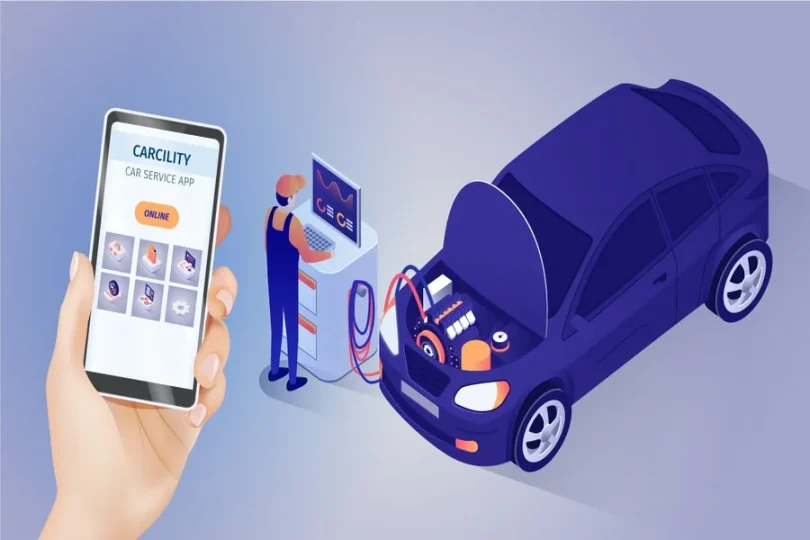

The auto care industry is experiencing a noticeable shift in how services are delivered and consumed. Vehicle owners no longer view maintenance and detailing as tasks that must disrupt their schedules or require long waits at a shop. Instead, many drivers now expect convenience, speed, and flexibility, the same qualities they have grown accustomed to in other areas of daily life. This change in expectations explains why on-demand auto care services are gaining traction across cities and suburbs alike.
On-demand auto care refers to services that come to the customer at a time and place of their choosing. This approach aligns with broader consumer behavior trends driven by mobile technology, urban lifestyles, and a growing emphasis on time efficiency. From basic maintenance to professional detailing, auto care is evolving to meet modern needs rather than forcing customers to adapt to traditional models.
Below is a deeper look at the forces driving this shift and why on-demand auto care is becoming a preferred solution for many vehicle owners.
Changing Consumer Expectations in a Digital World
Modern consumers are used to instant access. From ordering meals to scheduling home repairs, people expect services to be available with minimal friction. Auto care has not been immune to this change. Traditional service models often involve calling ahead, waiting days for availability, dropping off the vehicle, arranging transportation, and then returning later to pick it up. While this system worked in the past, it feels outdated in a world built around efficiency.
On-demand services respond directly to this shift by allowing customers to book appointments online or through mobile platforms. The process is streamlined and transparent, offering clear time windows and upfront pricing. This simplicity resonates with consumers who value control and predictability.
Time as a Primary Driver of Demand
One of the strongest reasons for the rise of on-demand auto care is time pressure. Work commitments, family responsibilities, and social obligations leave little room for errands that consume several hours. Even routine vehicle maintenance can feel like an unnecessary burden when schedules are tight.
On-demand services eliminate much of this inconvenience. A technician arrives at the customer’s home or workplace, performs the service on site, and leaves once the job is complete. The customer can continue with their day uninterrupted. This approach turns auto care into a background task rather than a central event, which is exactly what many busy professionals prefer.
Urban Living and Limited Space
Urbanization plays a significant role in shaping auto care trends. City dwellers often face limited parking, dense traffic, and long distances between service locations. Visiting a detailing shop or maintenance center may involve navigating congested roads and finding parking, adding stress to an already busy day.
On-demand auto care fits seamlessly into urban environments. Services are delivered wherever the vehicle is parked, whether in a residential driveway, office parking lot, or designated area. This flexibility reduces logistical challenges and makes vehicle maintenance more accessible for city residents.
Trust and Transparency in Service Delivery
Trust has always been a critical factor in auto care. Customers want confidence that their vehicle is being handled professionally and ethically. On-demand providers often build trust through transparent pricing, detailed service descriptions, and direct communication with technicians.
Because services are performed in the customer’s presence or nearby, there is a greater sense of accountability. Vehicle owners can see the work being done, ask questions, and feel more connected to the process. This transparency helps remove the uncertainty that sometimes accompanies traditional shop visits.
In many regions, local on-demand providers have built strong reputations by combining professionalism with convenience. A good example is Zippy Cup Auto Detail San Diego, a service that reflects how mobile detailing has adapted to meet modern expectations while maintaining high standards of quality and customer care.
The Role of Technology in Enabling On-Demand Auto Care
Technology is the backbone of on-demand services. Mobile booking platforms, GPS scheduling, digital payments, and automated reminders all contribute to a smoother customer experience. These tools allow providers to manage appointments efficiently while giving customers real-time updates and easy communication.
For auto care businesses, technology also improves operational efficiency. Technicians can optimize routes, reduce downtime, and serve more clients without sacrificing quality. This efficiency helps keep costs competitive while maintaining profitability, which further fuels the growth of the on-demand model.
Customization and Personalized Service
Another factor driving popularity is personalization. On-demand auto care often feels more tailored than traditional shop experiences. Providers can adapt services to the specific condition of the vehicle and the preferences of the owner.
Instead of a one-size-fits-all package, customers receive focused attention. This personal approach creates a stronger relationship between provider and client, encouraging repeat business and long-term loyalty. Vehicle owners appreciate feeling understood rather than processed through a rigid system.
Economic Considerations and Perceived Value
While convenience is a major appeal, cost still matters. Many consumers assume on-demand services are more expensive, but this perception is changing. When factoring in saved time, reduced transportation costs, and the elimination of indirect expenses, on-demand auto care often offers strong overall value.
Additionally, competitive markets have encouraged fair pricing. Providers differentiate themselves through service quality and reliability rather than inflated costs. For customers, the balance between convenience and price increasingly favors on-demand solutions.
Environmental Awareness and Efficiency
Sustainability concerns also influence consumer choices. Some on-demand auto care providers use water-efficient methods, eco-conscious products, and optimized travel routes to reduce environmental impact. Performing services at a single location rather than moving vehicles between facilities can also lower emissions.
As awareness of environmental responsibility grows, consumers are more inclined to support services that align with their values. On-demand auto care, when implemented thoughtfully, can complement these priorities.
The Influence of Reviews and Social Proof
Online reviews and social proof play a powerful role in shaping consumer decisions. On-demand auto care services often rely heavily on customer feedback, which encourages consistent quality and responsiveness.
Positive experiences are shared quickly through digital platforms, reinforcing trust and credibility. This visibility accelerates adoption, as potential customers feel reassured by the experiences of others. In contrast, traditional shops may rely more on local reputation alone, which can limit reach.
Adapting to a New Standard in Auto Care
The growing popularity of on-demand auto care signals a broader transformation within the industry. Convenience is no longer a luxury, it is becoming a baseline expectation. Businesses that adapt to this shift are better positioned to meet customer needs and remain competitive.
For vehicle owners, the appeal is clear. On-demand services respect their time, reduce stress, and deliver professional results without unnecessary disruption. As technology continues to advance and consumer habits evolve, this model is likely to become even more refined and widespread.
Final Words
On-demand auto care has emerged as a natural response to changing lifestyles, technological advancements, and rising expectations around convenience. By bringing services directly to the customer, this model removes many of the barriers associated with traditional auto care. Time savings, transparency, personalization, and flexibility all contribute to its growing appeal.
As more drivers experience the benefits firsthand, on-demand auto care is no longer viewed as an alternative. It is becoming a preferred way to maintain and protect vehicles in a fast-paced world. Businesses that embrace this approach are not only meeting current demand, they are shaping the future of the auto care industry.